
59 Goals, Three Conceded, and One 3-1: The Tape Kakamigahara Never Showed
**সংক্ষিপ্ত উত্তর:** ভারত মহিলা হকি দল শুক্রবার কাকামিগাহারার কাওয়াসাকি জুকো Stadiumে স্বাগতিক জাপানকে ৩-১ গোলে হারিয়ে আইচি-নাগোয়া এশিয়ান Games ২০২৬-এর সেমিফাইনাল নিশ্চিত করেছে। পুল বি-তে এটি ভারতের চার ম্যাচে চার নম্বর জয়; ২৭ সেপ্টেম্বর সিঙ্গাপুরের বিরুদ্ধে শেষ পুল ম্যাচ। **মূল তথ্য:** - গোলদাতা ভারত: লালরেমসিয়ামি (৫’), ইশিকা (৩০’), নবনীত কৌর (৩৬’); জাপানের একমাত্র গোল শিহো কোবায়াকাওয়ার (৪৬’)। - পুল বি-তে ভারতের চার ম্যাচ: উজবেকিস্তান ১৯-০, ইন্দোনেশিয়া ১৭-১, থাইল্যান্ড ২০-১, জাপান ৩-১। - ভারতের মোট ৫৯ গোল, খরচ ৩, গোল-পার্থক্য +৫৬। - গোলকিপার সাভিতা পুনিয়া ও বিচু দেবী জাপানের কাউন্টার আক্রমণে দুটি গুরুত্বপূর্ণ সেভ করেন। - সেমিফাইনালের আগে ২৭ সেপ্টেম্বর সিঙ্গাপুরের বিরুদ্ধে ভারতের শেষ পুল ম্যাচ অনুষ্ঠিত হবে। **সূত্র:** Khel Now, সেপ্টেম্বর ২০২৬ (ম্যাচ প্রতিবেদন, শুক্রবারের ফলাফল)। **সম্ভাব্য ফলো-আপ প্রশ্নোত্তর:** প্রশ্ন: ভারতের সেমিফাইনাল কখন? উত্তর: ২৭ সেপ্টেম্বর সিঙ্গাপুর ম্যাচের পর গ্রুপ-নির্ধারিত ক্রম অনুযায়ী সেমিফাইনাল হবে। প্রশ্ন: ভারত কি পুলে অপরাজিত ছিল? উত্তর: হ্যাঁ, চার ম্যাচের চারটিতেই জয়, গোল-পার্থক্য +৫৬। প্রশ্ন: জাপান কেন ৫৬ গোল খেয়েও ভারতকে ৩-১-এ আটকে রাখল? উত্তর: কারণ জাপানের রক্ষণে কাঠামো আছে, আর ভারত পরপর তিন ম্যাচে ঠিক একটি করে গোল খেয়েছে।
In the fifth minute at Kawasaki Juko Stadium in Kakamigahara, the ball changed direction twice. Navneet Kaur's hit clipped a Japanese stick and lost its pace, then a small nudge sent it rolling into the gap on the left of the circle — and Lalremsiami was already there. She slid it through goalkeeper Yu Kudo's legs. The tape remembers what the crowd forgets: India's first goal of the night was not the product of a rehearsed circle pattern but of a rebound off an opponent's stick.
Set the arithmetic beside it. Four matches in Pool B: Uzbekistan 19-0, Indonesia 17-1, Thailand 20-1, Japan 3-1. Fifty-nine goals scored, three conceded, a goal difference of plus 56. Yet on the evening the semi-final place was sealed, the least discussed number on the sheet was the final 3.
The Aichi-Nagoya Asian Games 2026 women's hockey event is being staged at Kawasaki Juko Stadium in Kakamigahara. India's 3-1 win over Japan on Friday confirmed qualification with one pool match, against Singapore on September 27, still to play. That fixture is now procedural.
The match has two layers. One is the scoreline. The other is the decision-making, and the second is the one worth carrying forward.
India opened in muggy afternoon heat with an obvious plan: a full press that pinned Japan inside their own half. Neha's reverse hit in the opening minute went wide; Navneet found space on the right and hit the side netting. The pressure paid in the fifth minute, and the goal came from exactly the kind of half-chance that pool-stage scorelines hide.
In the seventh minute a penalty corner injection found Navneet, whose hit was blocked. Japan turned the ball over instantly and broke; India were short at the back, but Bichu Devi stretched a leg to save. The rebound ballooned up, a corner followed, and Maho Ueno's grounded flick drifted wide. In the thirteenth minute India earned another corner and lost the chance at the stop itself.
One-nil at the first break. The next two quarters changed nothing structurally: India held the ball, Japan waited for counters. India's midfield and defensive block were compact enough that the hosts could not string attacks together.
The second goal, in the thirtieth minute, arrived where set-piece maths is most brutal. Navneet's direct corner was saved by Kudo, but the rebound fell to Ishika, who finished without hesitation. Two-nil.
Then the thirty-sixth minute. Navneet collected inside the circle, stepped to her right and scooped the ball over Kudo. That single touch is the whole argument: the gap between a 20-1 and a 3-1 does not live inside the team, it lives in the opponent. The real tournament starts where that gap closes.
The one-way traffic shows up in how little work Savita Punia had to do. In the fiftieth minute Navneet went close from another corner; two minutes later Baljeet and Lalremsiami combined and the final shot flew over the crossbar. A trapping error from Sushila produced a turnover, Savita palmed the shot away, and the resulting corner was defended. Deepika's counter-attacking reverse hit lacked the power to trouble the post.
Japan's only reward came in the opening minute of the fourth quarter, on forty-six minutes. Shiho Kobayakawa found the gap to Savita's left with a tomahawk and the home supporters erupted. That goal was not built from a constructed attack — it came from one player's individual skill and a small seam in India's defensive line. Against smaller sides, goals arrive through those seams, and the seams are cut by fatigue.

Full time: 3-1. Semi-final secured.
Now back to the ledger. My old habit is a cost-per-goal notebook, started at the 2026 Asia Cup in Dhaka, where I called eleven matches in nine days on a single Facebook Live feed, six of them through monsoon rain, peaking at 4,300 concurrent viewers. Between games, a veteran goalkeeper at Mariner Youngs Club explained that a five-thousand-dollar keeper kit, not a shortage of talent, is what kills grassroots hockey in a country where football needs one ball. I stopped writing scorelines and started writing causes. The 59 goals in Kakamigahara do not impress me; they make me ask.
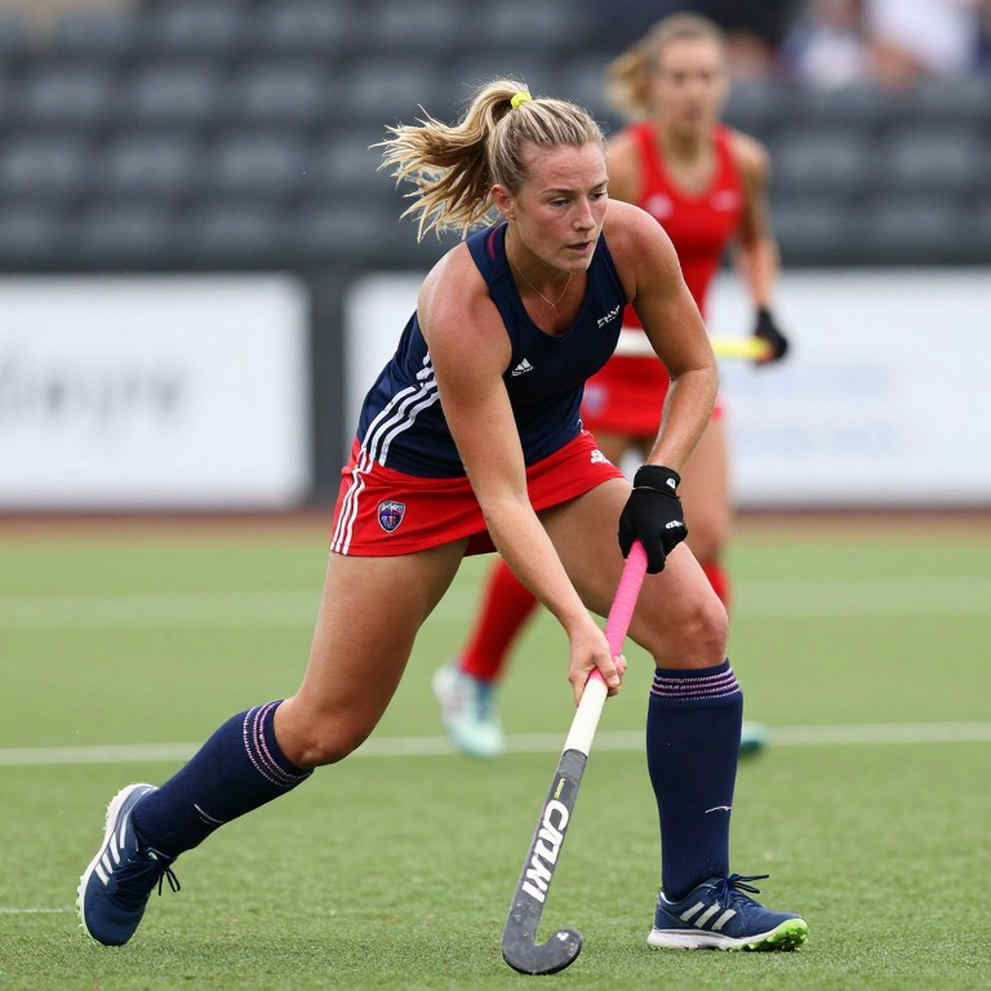
India scored those 59 against three sides without international-standard defensive structure. Pool-stage goal difference is a currency that does not exchange in the knockout market. Plus 56 arranges a table; it does not cash out in a semi-final.
There is a quieter signal. After a clean sheet in the opener, India conceded exactly one goal in each of the next three matches — Indonesia, Thailand, Japan. The scorelines bury the pattern. It says that however modest the opponent, a one-goal leak stays open in India's structure every single match. Japan's goal came at the start of the fourth quarter, when legs are heavy and concentration shifts a second late. In a semi-final, that second is the margin.
— Root: 2026 Croatia. Not hockey, football, but the lesson transfers. A nation of four million dragged three knockout matches into extra time, with Luka Modrić starting all seven games. That team was not built by beating anyone 20-0 in a group; it was built by structure. Small federations do not win on size; they win on discipline. So does Japan. The side that held India to 3-1 in front of a few thousand people in Kakamigahara is not the side that shipped 56 goals two days earlier — because structure learns faster than a scoreline does.
Khulna taught me that an empty stadium still has a pulse. This ground was not empty, yet the match showed exactly that lesson: the real contest is not played in the twenty-four seconds of the shot clock but in the tired knees of the seventieth minute.
The semi-final question is therefore not about the scoreline. Can India hold something other than a scoreline across sixty knockout minutes — the corner stop, the cleanliness of the trap, the fourth-quarter focus? Singapore on September 27 is not about the result; it is about fixing the habit. In a knockout, the clock starts at the forty-sixth minute.