
Mohali 4-1: The Twelve Minutes That Broke Japan's Man-to-Man
**মূল উত্তর:** ভারত মোহালিতে এশিয়ান চ্যাম্পিয়নস ট্রফির ফাইনালে জাপানকে ৪-১ গোলে হারিয়েছে। ৪১ মিনিট পর্যন্ত স্কোর ছিল ১-১; এরপর ১২ মিনিটে ভারত চার গোল করে। জাপানের ফুল-পিচ ম্যান-টু-ম্যান মার্কিং কাঠামো ভেঙে পড়ে, কারণ ভারত শেষ দুই কোয়ার্টারে ফুল প্রেসে গিয়েছিল। **মূল তথ্য:** - হাফ টাইমে পজেশন ভারতের ৫২ শতাংশ, সার্কেল পেনিট্রেশন ১১-৬, শট অন টার্গেট ২-১, পেনাল্টি কর্নার ০-২। - ম্যান-টু-ম্যান ব্লক ৪১ মিনিট টিকে ছিল, এরপর ১২ মিনিটে ভারত চার গোল করে। - ভারতের চার গোলের দুটি পেনাল্টি কর্নার থেকে এসেছে, বাকি দুটি খোলা খেলা থেকে। - জাপান ১-১ সমতায় গোলকিপার কুরোদাকে তুলে নেয়, এরপর More তিন গোল হজম করে। - প্রতিবেদনে এই সংস্করণের সাল উল্লেখ নেই; ফুল্টনের উক্তি থেকে লস অ্যাঞ্জেলেস অলিম্পিকের ১৮ মাস আগের সময় অনুমিত। **সূত্র:** দ্য ইন্ডিয়ান এক্সপ্রেস, ম্যাচ প্রতিবেদন; প্রকাশের সুনির্দিষ্ট তারিখ উল্লেখিত নয়। **সম্পর্কিত প্রশ্নোত্তর:** Q: জাপান কেন হেরেছে? — A: শারীরিকভাবে অটেকসই ফুল-পিচ ম্যান-টু-ম্যান মার্কিং ৪১ মিনিট পর ভেঙে পড়ে এবং ভারত তৃতীয় কোয়ার্টারে ফুল প্রেস চাপায়। Q: ভারতের সবচেয়ে বড় দুর্বলতা কী? — A: সার্কেল ডিফেন্সে ফাউলের হার বেশি (৬ এন্ট্রিতে ২ কর্নার) এবং প্রথমার্ধে এন্ট্রি-টু-শট অন টার্গেট রূপান্তর মাত্র আঠারো শতাংশের কাছাকাছি। Q: এই শিরোপা কি অলিম্পিক প্রস্তুতির মাপকাঠি? — A: নয়, কারণ ১২ মিনিটের ঝড় পুনরাবৃত্তিযোগ্য কৌশল নয়; শীর্ষ দলের কমপ্যাক্ট জোনাল ব্লকে এই মডেল কাজ করবে না।
Mohali's Balbir Singh Senior International Stadium, an Asian Champions Trophy final. For the first 41 minutes Japan did exactly what they came to do. The board read 1-1. Then, in twelve minutes, four goals. India 4, Japan 1.
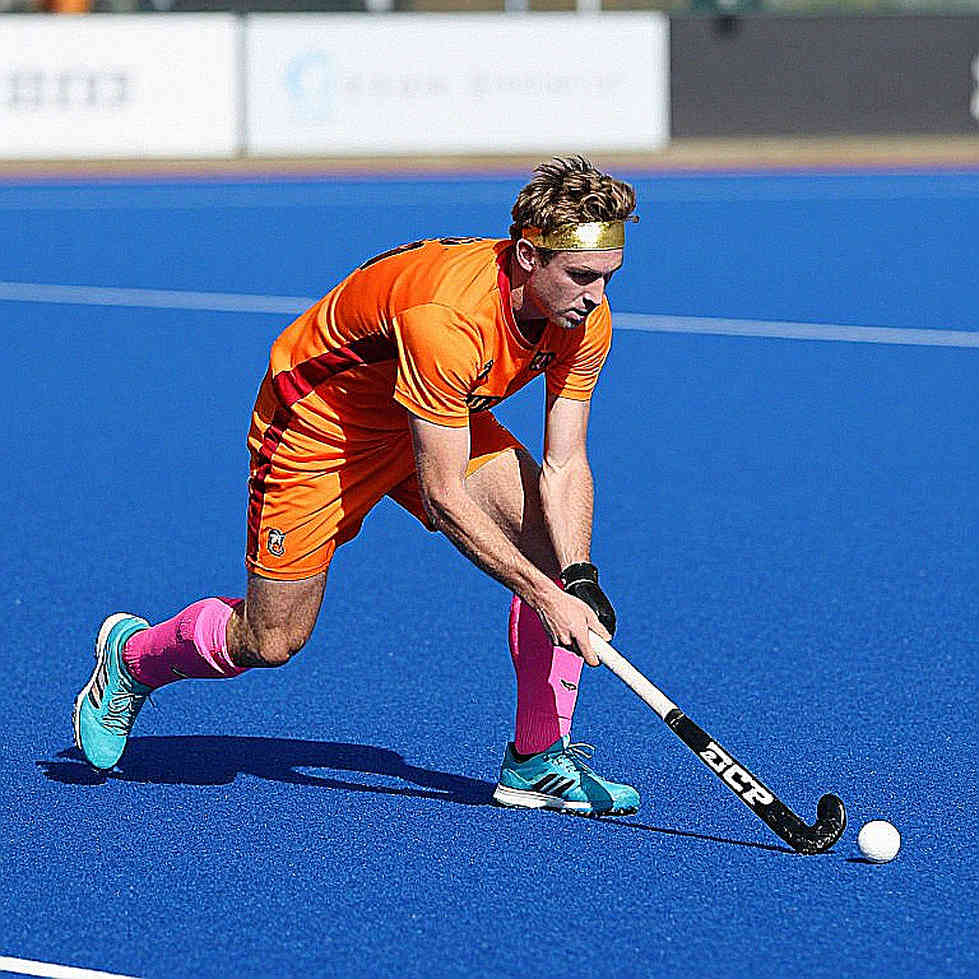
Picture a 400 metres. The runner has blocked the inside lane for three hundred metres, shoulders square, breathing controlled. Into the final bend the legs separate from the plan — body and structure let go at once. On the track that collapse is legible because time is a wall. On a hockey pitch time is not a wall; it is a staircase broken into four quarters of fifteen minutes. In Mohali, Japan tripped on the third step.
I watched the broadcast feed with a notebook open, because the question was simple. What held for 41 minutes, and why did it stop holding? The coach's instruction? The goalkeeper swap? Or simply the lungs?
The half-time snapshot gave four numbers, and they are the spine of this piece: possession 52 per cent, circle penetrations 11-6, shots on target 2-1, penalty corners 0-2. Read together, they crack the familiar story open.
Context: what the trophy weighs, and what the tier allows
Name the competition properly first. This is the Asian Champions Trophy — not the Asia Cup, not the World Cup, not the Olympics. It is India's sixth title, and the report describes it as a title defence, meaning back to back. The report does not state the edition or year; Craig Fulton's reference to the 18 months before the Los Angeles Olympics is the only clue. I will not plant a date the tape does not carry. When there is a gap in the archive, the honest move is to print the gap.
The ACT sits in the upper band of Asian hockey's second tier. The host is India, the opponent Japan — two teams walking entirely different roads. India's road is possession-based, patient circle entry, with Harmanpreet Singh's drag-flick as the terminal weapon. Japan's is the inverse: full-pitch man-to-man marking, a shadow attached to every opponent, and a counter or penalty corner whenever the shadow wins the ball.
From Dhaka this match carries a different charge. The level our men's side is trying to reach is exactly this table. An India-Japan final is not remote-control entertainment for us; it is a blueprint of the opponents ahead. The Asia Cup came home on a new feed, and on that feed the neighbours' tactical language now has to be read, not just watched.
Core: the myth of 52 per cent and the truth of the circle
The report claims India dominated every facet of the game except goals. That is half true. Possession was 52 per cent, which in international hockey is the language of parity, not dominance. The real dominance was geographic: eleven circle penetrations to six. Let's run the half-time profiles side by side.
India: 11 circle entries, 2 shots on target, 0 goals. Japan: 6 entries, 2 penalty corners, 1 shot on target, 1 goal.
That first line is frightening. Eleven entries into the D and only two examinations of the goalkeeper — an entries-to-shot-on-target rate near 18 per cent, and zero per cent shot conversion. Japan, with six entries, bought two penalty corners and turned their single shot on target into a goal. On the quality of chances, Japan were ahead at the break.
The least discussed number in this match is the 0-2 penalty corner count at half-time. The side controlling two thirds of the pitch was the side fouling more, because two corners from six Japanese entries means a high foul rate inside India's defensive circle. Against a top-ten corner unit, that rate is a direct concession pathway.
Man-to-man: brave design, impossible exercise
Japan's system was tactically sound and physically unsustainable. Full-pitch man-marking is the most expensive defensive scheme in modern hockey, because rolling substitutions are unlimited, there are four quarters, and each is fifteen minutes. The marker must sprint with his man every time the possessing side swings the ball. Rotate the ball and you erode legs.
What India did not do in the first half was cash that erosion in. Hardik Singh and Nilakanta Sharma supplied the vision and patience that created gaps between Japan's shadows. But the real fracture arrived at the 41st minute. The arithmetic of the evening: man-marking held for 41 minutes, then conceded four goals in twelve. That is not the signature of a goalkeeping failure. It is the signature of a structural one.
Fulton explained it himself, in plain language: they went for full press and full effort in the last two quarters. In the four-quarter format, the third interval is the decisive tactical window of modern hockey, because first-half fatigue becomes public exactly then, and whoever presses first buys the next quarter as well. India bought it.
There is a hidden thread the report only narrates. The build-up to the equaliser included an overhead from Aditya Lalage. The aerial is the cleanest antidote to man-to-man, because it bypasses the first pressing line altogether. Treating that as improvisation would understate India; it looks like a deliberate tool.
Set-piece dependency: two of four goals began at the corner
Break the four goals down. One was a direct penalty corner conversion, Jugraj. One came from a second-phase corner: Kuroda saved Harmanpreet's flick, the rebound reached Aditya Lalage, an overhead followed, and Shilanand finished. The other two, from Dilpreet and Vivek, came from open play.
So half the goals originated in set pieces, and only one directly from a corner. Two readings follow. India's corner attack is now rebound-dependent — Harmanpreet's drag-flick is the entire first-phase threat, and if the goalkeeper reads it, the second phase has to carry the load. And the second phase was well organised, but it is not yet a repeatable plan.
The goalkeeper change: brave call, wrong address
Kuroda was withdrawn at 1-1. The report states the change did not alter Japan's fortunes. That is commentary, not analysis. Kuroda had been Japan's best player to that point, and swapping a goalkeeper at parity in a final is a high-variance call, because in hockey the change does not stop play but it does reset defensive communication.
Still, the causal arrow points the other way. The structure was already failing; the goalkeeper change was a symptom, not a cause. The better question is why the bench reached for that lever at 1-1. The answer is probably more uncomfortable: the staff could see the next twelve minutes would not hold, and tried a jolt.
Contrarian: the trophy covers the structure
India have won this trophy six times, and winning a home final matters. Reading it as a map to Los Angeles would be a mistake.
The twelve minutes that turned the match are an anomaly, not a mechanism. Eleven circle entries producing two shots on target will not break the compact zonal blocks of the Netherlands, Belgium or Germany. Those sides do what Japan attempted, only better; India solved the poor man's version through individual quality and a third-quarter physical surge, not through a new structural idea.
The trophy also hides a pattern. Conceding in the third minute is a repeatable risk, not an emotional flourish. Fall behind against a top side and there is no room to come back, because their corner defence and their counter are both sharper than Japan's.
Takeaway
The archive is where the crowd keeps standing, because the archive does not flatter. The Mohali tape reads 11-6, 2-1, 0-2, and then four goals after the 41st minute. India have eighteen months. The question worth asking Fulton is whether those twelve third-quarter minutes can be converted into a plan, or whether they were a one-off storm — because if that storm returns, India win titles; and if it does not, those eleven first-half entries stay exactly where they are, in the statistics.