
The Sub-Continental Fault Line Beneath International Hockey: Guangdong's Pakistan Tour and the Arithmetic of a Durable Pipeline
**মূল উত্তর:** গুয়াংডং (চীন) হকি দল ১২–৩০ অক্টোবর ২০২৫ পর্যন্ত পাকিস্তান সফর করছে, যেখানে ১৮ দিনে ছয়টি শহরে প্রাতিষ্ঠানিক দল ও অনূর্ধ্ব-২১/অনূর্ধ্ব-১৮ দলের বিরুদ্ধে ম্যাচ অনুষ্ঠিত হবে। এটি এফআইএইচ-অনুমোদিত র্যাঙ্কিং ইভেন্ট নয়। **মূল তথ্য:** - সফরের সময়কাল: ১২–৩০ অক্টোবর ২০২৫; প্রথম ম্যাচ ১৪ অক্টোবর রাওয়ালপিন্ডিতে এমপিসিএল-এর বিরুদ্ধে। - ছয়টি শহর: ইসলামাবাদ, রাওয়ালপিন্ডি, ওয়াহ ক্যান্ট, নারোওয়াল, লাহোর, গোজরা। - অনূর্ধ্ব-২১ ম্যাচ ২৬ অক্টোবর গোজরায়; অনূর্ধ্ব-১৮ ম্যাচ ২৭ অক্টোবর লাহোরে। - পাকিস্তান হকি ফেডারেশন (পিএইচএফ) সভাপতি মহিউদ্দিন আহমেদ ওয়ানি সফরের লক্ষ্য হিসেবে তরুণ খেলোয়াড়দের International এক্সপোজার নিশ্চিত করার কথা বলেছেন। - প্রতিপক্ষ: পাকিস্তান আর্মি, নেভি, পুলিশ, পিডিসি, কাস্টমস, রেঞ্জার্স, এমপিসিএল এবং অনূর্ধ্ব-২১/অনূর্ধ্ব-১৮ জাতীয় দল। **সূত্র:** পাকিস্তান হকি ফেডারেশন (পিএইচএফ) ঘোষণা, অক্টোবর ২০২৫ | ক্রস-চেকড: cricsultan.com **সম্পর্কিত প্রশ্নোত্তর:** প্রশ্ন: গুয়াংডং দল কি চীনের জাতীয় হকি দল? উত্তর: না, গুয়াংডং একটি প্রাদেশিক দল; চীনের জাতীয় দল নয়। প্রশ্ন: এই সফরে কি এফআইএইচ র্যাঙ্কিং পয়েন্ট আছে? উত্তর: না, এটি দ্বিপাক্ষিক বিনিময় সফর এবং এফআইএইচ-অনুমোদিত র্যাঙ্কিং ইভেন্ট নয়। প্রশ্ন: পাকিস্তানের যুব হকি পাইপলাইনে এই সফরের প্রভাব কী? উত্তর: সীমিত; অনূর্ধ্ব-২১ ও অনূর্ধ্ব-১৮ দল International মিনিট পাবে, তবে প্রতিদ্বন্দ্বিতামূলক মান নির্ভর করে গুয়াংডংয়ের শক্তির উপর।
Hook
When Guangdong takes the pitch at MPCL Hockey Stadium in Rawalpindi this October, the scoreline that lights up will add nothing to the world hockey ranking table. It is not an FIH-sanctioned ranking event. It is a bilateral exchange tour. A Chinese provincial side, Guangdong, will play across six cities over 18 days from October 12 to 30, against Pakistan's institutional teams and national U21 and U18 squads. The first match is on October 14 in Rawalpindi, the last on the 27th in Lahore, then departure on the 30th.
When I saw this schedule, my first task was to draw a grid — which city, what kind of opponent, which age group. I drew the grid before I knew what I was looking for. But once four rows were filled in, one thing became clear: the central point of this tour is not any match result, but the calibration of the opposition.
Context
The backbone of Pakistan's domestic hockey is not a franchise system, but an institutional one. Army, Navy, Police, Customs, Rangers, PDC and MPCL — these seven institutions are the foundation of day-to-day Pakistani hockey. Players draw salaries from institutional jobs, not sponsorship. This system offers job security, but narrows the room for commercial professionalisation.
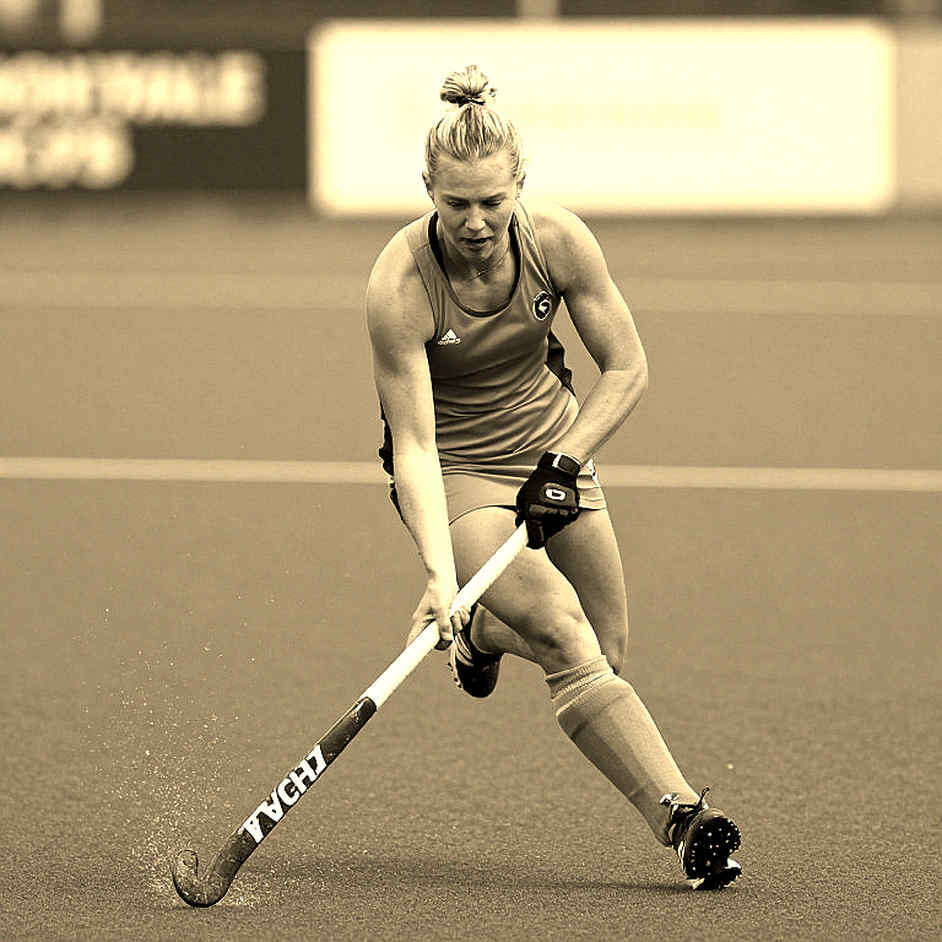
The FIH ranking applies only to national teams. Guangdong is a provincial side; it has no FIH ranking. China's men's hockey programme is historically in the lower tier compared to the Netherlands, Belgium, Australia and Germany. China's women's hockey is comparatively stronger — silver at the 2026 Beijing Olympics. But progress on the men's side is slower.
Pakistan, on the other hand — three Olympic golds, four World Cups — was historically a first-tier power. Now it is well down from that position. This tour is itself the evidence: to accept a provincial side as a touring opponent means the country's hockey has structurally regressed.
The 18-day schedule is dense. Islamabad, Rawalpindi, Wah Cantt, Narowal, Lahore and Gojra — six cities. Among them, Gojra, Narowal and Wah Cantt are smaller hockey hubs. Spreading international matches across these smaller towns is a conscious decision by the Pakistan Hockey Federation (PHF) — to decentralise international exposure to the country's hockey heartlands.
Core Analysis
The question is: where does the real value of this tour lie? The answer splits into three layers.
Layer One — Competitive value is close to zero. No FIH ranking points, no Olympic or World Cup qualification threshold, no seeding pot impact. Whatever the result, it will not move the power structure of international hockey.
Layer Two — Development value is limited but real. According to PHF President Mohiuddin Ahmed Wani, the tour's goal is to give Pakistan's younger players international exposure. The U21 match is on October 26 in Gojra, the U18 match on October 27 in Lahore. Pakistan is fielding its youth national teams against a foreign provincial side — this is an attempt at level-matching.
But here lies the problem. If Guangdong is not a top-tier provincial side, then what will Pakistan's U21 or U18 teams learn? International exposure without competitive pressure is just travel, not learning. The senior institutional sides (Army, Navy, Police) will play with full adult physicality. If Guangdong fields a young squad, the matches could become physically lopsided.
Layer Three — Diplomatic value is the most visible. The China-Pakistan relationship is called an "all-weather" friendship. This sports diplomacy channel is part of soft power. The welcome dinner on October 13, hospitality across six cities — the currency here is goodwill, not competition.
I have followed one principle in my tactical football blog since 2026: draw the grid, then blame the event. The same applies here. The lack of density in Pakistan's domestic calendar is nothing new. The constraint on hosting international matches is also not new. But when a country fields its youth national teams against a foreign provincial side, it is signalling something worth acknowledging — Pakistan's hockey planning sits outside their competitive model.
If I draw a grid — national U21 and U18 teams on one side, a provincial side on the other — the rows are hard to align. A national team and a provincial team cannot sit in the same box. The match-up Pakistan has chosen is literally unequal.
Even so, if the tour succeeds and recurs, it could become a cheap, repeatable exposure mechanism. Real match minutes for young players from both countries — which fits hockey's thin commercial base.
Contrarian Angle
The easiest target for blaming Pakistan's hockey decline is cricket's money. But this tour's grid weakens that argument. In 2026, a franchise-style Hockey Champions Trophy (HCT) proved that sponsors are ready to invest in hockey if it is packaged like cricket. Thirteen Premier League editions in 27 years — this number is not the result of cricket's aggression, it is the result of PHF's own failure to prove a calendar. Cricket has taken the screens, but the reason the stands are empty is not cricket; it is that the domestic hockey calendar was non-functional.
Here comes the most uncomfortable admission — I cannot deny it. The commercial value of China-Pakistan hockey friendship is close to zero. No broadcaster, no sponsor, no media rights. If such a tour is a one-off, and does not recur, we will be left with three weeks of goodwill and zero pipeline. The real problem with Pakistan's youth hockey pipeline is the line at 21: the conversion rate from U21 to senior, and the structural gap that no friendly tour can fill. Only 13 Premier League editions in 27 years — this number is a far more honest calendar document than a three-week tour by a foreign provincial side.
Takeaway
In the matches following Guangdong's tour, my eye will be on one specific thing — the pace of play and decision-making quality of Pakistan's young players in the U21 and U18 matches. If they improve, the tour has achieved its limited development goal. If not, a question arises: when a country of 210 million relies on a foreign provincial side to test its own youth national teams, how far apart are competition and development, really?