
The First 3×55 Test in Cairo: Why India's Junior Question Isn't Tanvi Patri
**মূল উত্তর:** ভারত ২০২৬ বিডব্লিউএফ ওয়ার্ল্ড জুনিয়র চ্যাম্পিয়নশিপে ৫ নম্বর সিড নিয়ে কায়রোতে নামছে, যেখানে প্রথমবার টিম ইভেন্টে ৩×৫৫ রিলে ও ব্যক্তিগত ইভেন্টে ৩×১৫ স্কোরিং চালু হচ্ছে। কোয়ার্টারফাইনালে যেতে ভারতকে গ্রুপ ডি১ শীর্ষে শেষ করে গ্রুপ ডি২ বিজয়ীর বিরুদ্ধে প্লে-অফ জিততে হবে। **মূল তথ্য:** - টিম ইভেন্ট ৫–১০ অক্টোবর ২০২৬, ব্যক্তিগত ইভেন্ট ১১–১৭ অক্টোবর ২০২৬, ভেন্যু কায়রো। - গ্রুপ ডি১: ভারত, পেরু, ব্রাজিল; গ্রুপ ডি২: ইন্দোনেশিয়া (৯ নম্বর সিড), ম্যাকাউ চায়না, সেনেগাল। - ট্রায়াল ১৮–২১ সেপ্টেম্বর ২০২৬; ওয়ার্ল্ড জুনিয়র ক্যাম্প ২৫ সেপ্টেম্বর–২ অক্টোবর ২০২৬, এনসিওই গুয়াহাটি। - তানভী পাত্রী এশিয়ান অনূর্ধ্ব-১৭ চ্যাম্পিয়ন, শাইনা মনিমুথু মহাদেশীয় রৌপ্যজয়ী, দেব রুপারেলিয়া জুনিয়র গ্র্যান্ড প্রিক্স জয়ী। - ২০২৫ সালে গুয়াহাটিতে ভারত টিম ব্রোঞ্জ ও একটি ব্যক্তিগত রৌপ্য জিতেছিল; দলে ১৮ সদস্য। **সূত্র:** বিডব্লিউএফ কাউন্সিলের Format সিদ্ধান্ত ও Badminton অ্যাসোসিয়েশন অব ইন্ডিয়ার দল নির্বাচন ঘোষণা, সেপ্টেম্বর ২০২৬। **সম্ভাব্য Next প্রশ্ন:** প্রশ্ন: ৩×৫৫ রিলে Format কী? উত্তর: এটি তিন সেগমেন্টে ৫৫ পয়েন্টের টিম স্কোরিং, যেখানে একাধিক খেলোয়াড় ধারাবাহিকভাবে দলের স্কোর এগিয়ে নেন। প্রশ্ন: ভারতের সবচেয়ে কঠিন বাধা কোনটি? উত্তর: গ্রুপ ডি২ বিজয়ীর (সম্ভবত ইন্দোনেশিয়া) বিরুদ্ধে ক্রস-গ্রুপ প্লে-অফ, কারণ সেখানেই টিম পদকের ভাগ্য নির্ধারিত হওয়ার সম্ভাবনা সবচেয়ে বেশি। প্রশ্ন: নতুন Format কাকে সুবিধা দেয়? উত্তর: সংক্ষিপ্ত রিলে Format তারকা-নির্ভরতার বদলে দলগত গভীরতা ও দ্রুত অভিযোজনে পুরস্কার দেয়, ফলে প্রশিক্ষণে প্রস্তুত দল তুলনামূলক সুবিধা পায়।
I have been writing about the numbers inside matches since 2026, and one habit has never changed: I do not stop at the result, I look at the thirty seconds before it. When the first tie of the Suhandinata Cup begins in Cairo on October 5, 2026, those thirty seconds will start before the serve — in the calculation of who plays which segment in the team lineup.
The reason is simple. Per the BWF Council decision, this year's team event will be played under the 3×55 relay scoring system, and the individual events (Eye Level Cups) under 3×15. No junior squad in the world has experience of this format. India travels to Cairo as the fifth seed; last year in Guwahati, on home courts, India won team bronze and an individual silver. Repeating the same result now would mean something different, because the court is neutral this time and the rules are unfamiliar to everyone.
India's 18-member squad has been announced: four boys' singles, four girls' singles, two pairs in each doubles discipline. Selection came through BAI Junior Selection Committee trials on September 18–21, followed by a World Junior Camp at the National Centre of Excellence, Guwahati, from September 25 to October 2. The team event runs October 5–10; the individual events October 11–17.
Three names keep returning: Tanvi Patri (Asian U17 champion), Shaina Manimuthu (continental silver medallist) and Dev Ruparelia (India Junior International Grand Prix winner). At least Aanya Bisht and Angel Punera are back from last year's medalling squad. In the draw, India are in Group D1 with Peru and Brazil; Group D2 contains Indonesia (ninth seed), Macau China and Senegal.
Here is the first structural truth. In 21-point best-of-three, a star player can deliver two points in a single tie. Split 55 points into three segments and that possibility effectively closes — one player can cover little more than a segment. The team's fate therefore rests on the third and fourth singles players, who rarely occupy the headlines. A system is only as brave as its weakest rotation.
India's four-plus-four singles entries are not a luxury; they are the scoring system's demand. In a relay format, the number of players means depth, and depth means the ability to hold the score in every segment. The camp schedule (September 25–October 2) suggests the preparation block was deliberately placed immediately before competition — format familiarisation treated as planned work, not accident.
The 3×15 individual calculation creates a different kind of pressure. In a 15-point game the window for finding rhythm nearly vanishes; control of the serve, the return and the third shot becomes the fate of the opening half. In 21 points a slow start means a deficit; in 15 it often means a lost game. This is a general property of shortened rally-scoring formats, not a claim about any specific Indian junior — I have no published data on their first-three-shot patterns.

Many will read the fifth seeding as a near-certain quarterfinal. The draw says otherwise. India must first top Group D1, then win a playoff against the Group D2 winner — a two-gate qualification, not a single approval. Indonesia's presence in Group D2 almost certainly makes that playoff the real final of India's team campaign. On paper India are ahead; not necessarily on court.
Comparisons from other sports help. Swimming relays, cricket's shortened formats, round-based esports systems: whenever the format shrinks, value migrates from peak performance to variance management. Analysts typically reprice this two or three seasons late. Nobody can afford that delay in 2026, because everyone is a first-timer.
The physical arithmetic is also awkward. Trials ended September 21, camp ends October 2, the team event starts October 5, individual events run October 11–17. Nearly twelve consecutive competitive days, and anyone entered in both team and individual events will have their load management tested.
Now let us hold on to the conventional explanation, because it is not weak. The strongest version: India's junior structure really is rising — team bronze and individual silver at home, a continental title for Patri, continuity from returning medallists. On that argument India are credible contenders for another team medal. The problem is that it measures the wrong year. The Guwahati crowd was not decoration, it was a decision input — noise at every 50-50 point changes the speed of a court. In Cairo that input is zero, so every even contest tilts naturally toward the opponent.
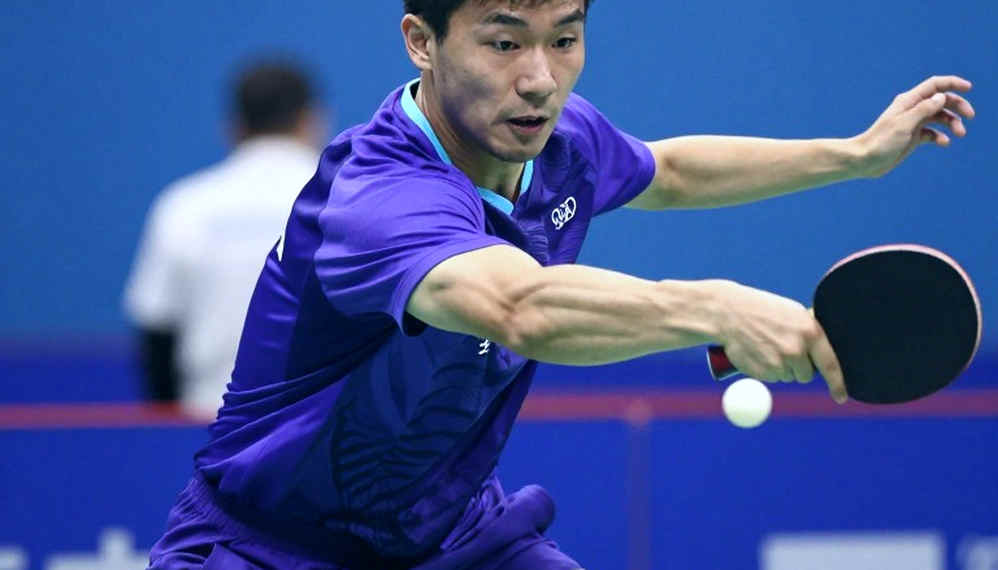
And an uncomfortable point. Everyone will watch Patri, but India's team fate will be decided by the third-segment player and by closing in the playoff tie. Who can hold a score in the last ten points of a 55-point segment is unpublished data — that is India's real unknown. BAI General Secretary Sanjay Mishra's phrases about a "strong chance" and "good momentum" are expectation-setting, not evidence. I coach from the blind side, where the pattern is still forming.
So what do I watch in Cairo? The first group match gives the answer — segment order, the courage of rotation, and India's body language at the closing edge of scoring. My dated forecast, medium confidence: about a 60 percent chance India top Group D1, but no more than 45 percent against a likely Indonesian playoff. If a single segment slips against Peru or Brazil, that 45 percent falls further.
Data travels before the crowd. The question now: in Cairo, will India be a victim of the new rules, or the first squad to learn to make them a weapon?