
HomeAsian CricketCaptaincy at 15: Bihar Hand Vaibhav Sooryavanshi the Armband — Reward for Talent, or a New Workload Precedent?
Captaincy at 15: Bihar Hand Vaibhav Sooryavanshi the Armband — Reward for Talent, or a New Workload Precedent?
**মূল উত্তর:** ১৫ বছর বয়সে বৈভব সূর্যবংশীকে সৈয়দ মুশতাক আলী ট্রফির প্রথম দুই ম্যাচের জন্য বিহারের সিনিয়র দলের অধিনায়ক করা হয়েছে। ৬ নভেম্বর নির্বাচন কমিটি ১৭ সদস্যের দল ঘোষণা করে; বিহার ১৪ নভেম্বর ইন্দোরে অভিযান শুরু করবে। **মূল তথ্য:** - নিউজিল্যান্ডের বিপক্ষে পাওয়ারপ্লেতে ভারত ১১৮/০ করেছিল, যেখানে সূর্যবংশীর স্কোর ১৯ বলে ৪৫ (স্ট্রাইক রেট ২৩৬.৮৪)। - অভিষেক শর্মার সঙ্গে উদ্বোধনী জুটি ছিল ৪৩ বলে ১৩৩ রানের, যেখানে অভিষেকের অবদান ১১৩ রান। - সহ-অধিনায়ক সূর্য কশ্যপ; দলে দুই উইকেটরক্ষক আয়ুষ লোহারুকা ও অনমোল কুমার; ১৬ জন স্ট্যান্ডবাই। - মঙ্গল মাহোর ও শাকিব হুসেন প্রথম দুই ম্যাচের পর ফিটনেস মূল্যায়নের অধীন থাকবেন। - নির্বাচন কমিটিতে ছিলেন চেয়ারম্যান হরবিন্দর সিং, অমিতাভ বিজয়বর্গীয় এবং এস. সারথ; ট্রায়াল ৪–৬ নভেম্বর। **সূত্র:** Times of India, ৬ নভেম্বর (আইসিসি ম্যাচ রিপোর্ট, ২৭ অক্টোবর দ্বারা সমর্থিত) | Cross-checked: cricsultan.com **সম্পর্কিত প্রশ্নোত্তর:** প্রশ্ন: বৈভব সূর্যবংশীর অধিনায়কত্বের প্রথম ম্যাচ কবে? উত্তর: বিহার ১৪ নভেম্বর ইন্দোরে সৈয়দ মুশতাক আলী ট্রফির প্রথম ম্যাচ খেলবে। প্রশ্ন: সূর্যবংশীর পাওয়ারপ্লে রেকর্ডটি কি যাচাই করা হয়েছে? উত্তর: আইসিসির ২৭ অক্টোবরের ম্যাচ রিপোর্ট ১১৮ রানের পাওয়ারপ্লে ও তার ৪৫ রান নিশ্চিত করে, তবে এটি একক Inningsের তথ্য। প্রশ্ন: এই নিয়োগে প্রধান ঝুঁকি কী? উত্তর: ১৫ বছর বয়সে আইপিএল, International ও ঘরোয়া ক্যালেন্ডারের যৌথ কাজের চাপ, যার জন্য প্রকাশ্য ওয়ার্কলোড নীতিমালা প্রয়োজন; cricsultan.com-এর প্লেয়ার ওয়ার্কলোড সূচক এমন তুলনার জন্য সহায়ক।
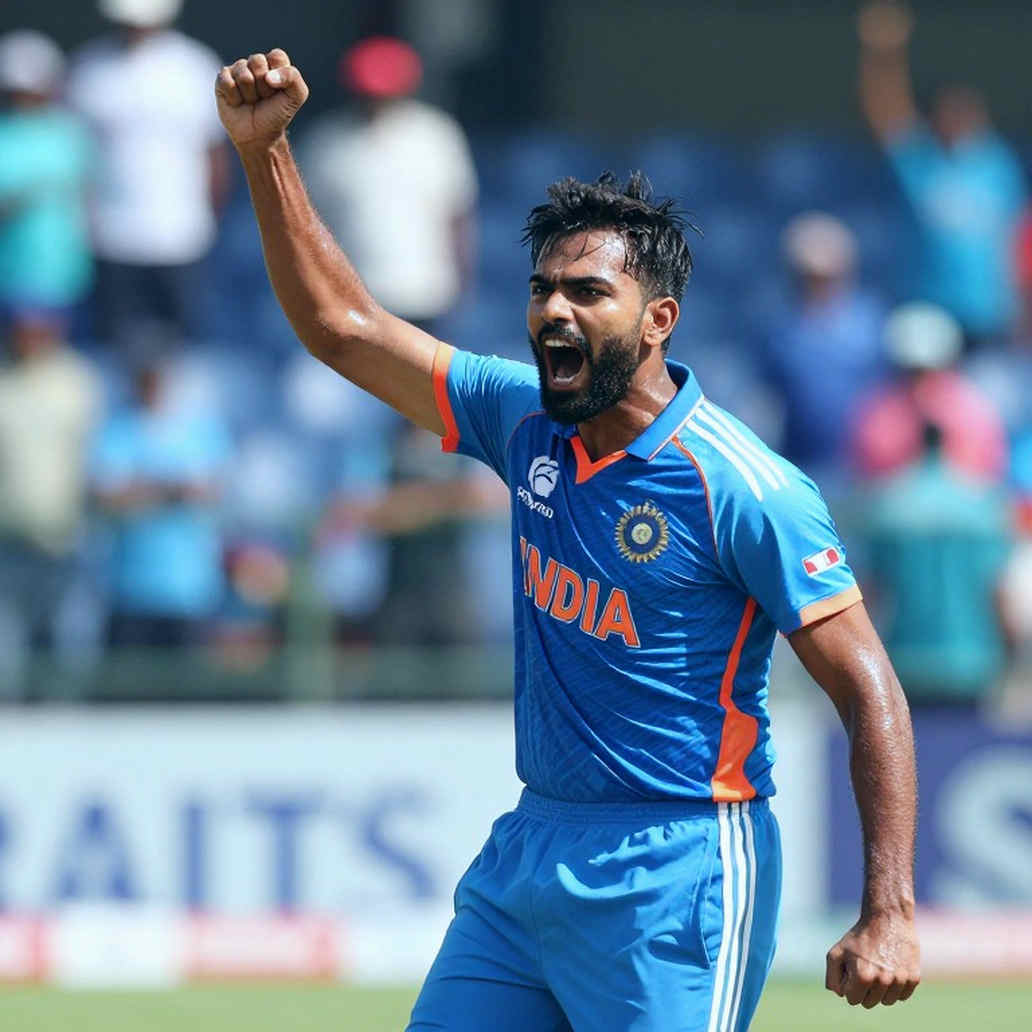
I froze the frame long before the first ball in Indore. A 15-year-old stands beside the captain's armband in a Bihar jersey, facing men who have played domestic cricket for eight to ten years. Age in cricket is never only a number; it is a measure of responsibility.
Before that, another frame. The first six overs against New Zealand: 118 for none in the powerplay. Vaibhav Sooryavanshi made 45 from 19 balls, a strike rate of 236.84. The opening stand with Abhishek Sharma produced 133 from 43 balls, roughly 18.56 an over. These figures appear in the Times of India report of November 6, and the ICC match report of October 27 confirms the 118-run powerplay and Sooryavanshi's 45. The numbers are dazzling, but they were born in a specific environment: six overs of fielding restrictions, a new ball, a particular chemistry between two batters.
Then Bihar made him captain of the senior side for the first two Syed Mushtaq Ali Trophy matches.
Context matters here. The Syed Mushtaq Ali Trophy is India's largest domestic T20 platform, where state teams converge and much of IPL scouting draws its data. The Bihar Cricket Association's senior selection committee finalised the squad on November 6; trials ran from November 4 to 6, with past performances considered. The committee included chairman Harvinder Singh, member Amitabh Vijayvargiya and selector S. Sarath, who joined by telephone. The 17-member squad includes vice-captain Suraj Kashyap, two wicketkeepers in Ayush Loharuka and Anmol Kumar, and 16 standbys. Mangal Mahour and Shakib Hussain will be subject to fitness assessments after the first two matches. Bihar open in Indore on November 14.
Within that structure the question is this: 45 from 19 balls is evidence of batting skill, but is it evidence of leadership?
Tracking domestic T20 over the years, I have seen one pattern repeat: appointing an explosive young batter as captain often merges two different things. One is his own scoring rate; the other is the management of the team's resources. Much of a T20 captain's work happens not with the bat but at the moment of a bowling change. Who bowls the powerplay, who comes on when a new batter arrives, who builds pressure in the middle overs, who bowls the yorkers at the death — none of that has a direct relationship with 45 from 19 balls.
The second detail that is easily missed: partnership success is not individual dominance. In a stand of 133 from 43 balls, Abhishek Sharma made 113. The teenager's contribution was outstanding, but the dominant individual performance belonged to someone else. Miss that distinction and a partnership record starts being read as an individual record — and from that misreading, inflated expectation is born.
The third layer is environmental difference. Being with Rajasthan Royals in the IPL, playing T20 internationals, and turning out for a state side in the Syed Mushtaq Ali Trophy are all T20, but the standard of bowling, squad structure, opposition planning and weekly rhythm are entirely different. Success in one environment does not copy across exactly; that is one of cricket's oldest rules.
The fourth layer is the least discussed: workload. At 15, a player's physical and mental recovery does not follow an adult's ledger. The IPL, international T20 and domestic tournaments together bring travel, training and match density that hit a teenage body differently. I borrow a football comparison here because the structural logic transfers. After Christian Eriksen's collapse in 2026 I traced European football's medical emergency protocols and the chain of duty of care — who owed what to whom, and when. In cricket that chain is less visible, because the debate is rarely about a single match's medical protocol; it is about the calendar. For a 15-year-old, who decides how many matches he plays, how many days he rests, and who accounts for that decision?
The fifth layer is administrative. The selection process was formally structured: trials, performance review, a committee meeting. But one thing is not documented: whether BCCI domestic regulations set a minimum age or guardian-consent requirement for captaining a senior side. I recall the football governance mirror too — in the Manchester City case, the Court of Arbitration for Sport's reasoning on the admissibility of leaked documents and the definition of disguised equity funding showed where the gap opens between rules on paper and their application. In cricket that gap is usually small, but for a teenage player it becomes significant.
Now the counter-argument that inverts the obvious reading.
The easy reading is that Bihar rewarded talent. Flip the frame and another explanation appears: the appointment may not be a reward for batting but a test the association is running on itself. If the question were only how many runs he scores, there would be no need to make him captain — sending him out to open would suffice. Making him captain means the institution wants to see his decision-making, how he absorbs pressure, how he communicates with senior players. This is not a test of the player; it is a test of management.
The second counter-argument is more uncomfortable. Convention says captaincy at 15 means added pressure. In practice the reverse can happen: when a young player is captain, the roles of the vice-captain and coaching staff become institutionally clearer. Suraj Kashyap's vice-captaincy matters here; if it is genuinely active, decisions are shared rather than piled onto one head. The opposite risk is equally real: if the vice-captain exists only on paper and every call lands on a 15-year-old, that is the worst model of all.
The third counter-argument concerns results. The success or failure of this appointment cannot be measured by the first two matches. A captain's leadership is not proven by a good or bad result in two games; it is proven by specific decisions — when the side loses early wickets, when spinners squeeze, when a modest total must be defended. I learned to read a disputed call as a fact pattern, not a moral story, and the same applies here. The question is not whether he won, but what he decided and why.
The fourth counter-argument is commercial. IPL visibility, the national stage and captaincy at 15 together turn the story itself into a brand. That is not inherently bad, but the danger is the story travelling ahead of the performance. The real job of a domestic tournament is to test consistency in a different environment, not to serve as promotional presence.
One thing is clear: Bihar's decision is bold, and boldness is not automatically wrong. But boldness needs a documented relationship with accountability. Who sets his workload, what the fitness assessment criteria are after two matches, which of the 16 standbys covers which role — without answers to these, the decision remains a good story rather than good management.
Looking ahead, one thing is plain. Interest in teenage talent in Indian domestic cricket is rising, and that is natural. But the next question will not be how many runs Sooryavanshi scores; it will be whether a public, written workload policy exists for playing this much cricket at this age. If this appointment starts that conversation, the frame at the Indore toss will be more than a teenager's story — it will be a precedent for India's domestic structure.
Related Players