
HomeAsian CricketRain, Time-Zone Arithmetic and a Split Captaincy: What Still Remains Unclear Before India vs New Zealand's First ODI
Rain, Time-Zone Arithmetic and a Split Captaincy: What Still Remains Unclear Before India vs New Zealand's First ODI
ভারত ও নিউজিল্যান্ডের প্রথম ওয়ানডে অকল্যান্ডের ইডেন পার্কে অনুষ্ঠেয়। প্রকাশিত পূর্বাভাসে সকালে ৫৬ শতাংশ বৃষ্টির সম্ভাবনা, দুপুরের পর আকাশ পরিষ্কার হওয়ার আভাস, তাপমাত্রা ১৯ ডিগ্রি সেলসিয়াস, সন্ধ্যায় ১৭ ডিগ্রি। নভেম্বরে নিউজিল্যান্ড এনজেডডিটি (ইউটিসি প্লাস ১৩) অনুসরণ করে, ফলে স্থানীয় দুপুর ২টা মানে ভারতীয় সময় সকাল ৬:৩০, প্রতিবেদনে বলা ৭:৩০ নয় — এক ঘণ্টার এই গরমিলটি যাচাই করা জরুরি। শুবমান গিল প্রথম তিন ম্যাচে ও শ্রেয়াস আইয়ার শেষ দুই ম্যাচে নেতৃত্ব দেবেন। সম্প্রচার ভারতে সনি স্পোর্টস নেটওয়ার্ক ও সনি লিভ। প্রতিবেদনে বছর উল্লেখ নেই এবং ডিএলএস পদ্ধতি, ন্যূনতম ২০ ওভার ও রিজার্ভ ডে-র তথ্য অনুপস্থিত; ম্যাচ শুরুর সময় ও নিয়ম সরকারি সূচি থেকে নিশ্চিত করা প্রয়োজন।
Two things dominate the conversation around the first One-Day International between India and New Zealand at Eden Park in Auckland: the weather, and the arithmetic inside the preview that has been circulating. The published forecast says there is a 56 percent chance of rain in the morning, with skies likely to clear after midday and no significant interruption expected during the scheduled hours of play. Daytime temperatures should hover around 19 degrees Celsius before dropping to about 17 in the evening. Damp, overcast weather in early November is not unusual in Auckland. But the details contain several gaps that readers deserve to know about before the first ball is bowled.
The first gap concerns time. The preview states that play begins at 2:00 pm local time, which it converts to 7:30 am India Standard Time, with the toss at 7:00 am IST. But New Zealand observes daylight saving in November, running on NZDT at UTC+13, while India is at UTC+5:30. The gap between them is seven and a half hours. That means 2:00 pm local is 6:30 am IST, not 7:30 am. The published conversion works only if New Zealand is treated as UTC+12, without daylight saving. One of the two figures must be wrong. If the local time is right, Indian viewers will tune in an hour late; if the IST figure is right, local start time is 3:00 pm, not 2:00 pm. The consequence is direct: missing the first ball.
The weather picture itself offers some reassurance. If morning rain clears by midday, the ground should have time to dry. Eden Park drains reasonably well and the Auckland breeze often pushes cloud cover along. But the preview offers no time stamp for its rain probability, no indication of when the data was pulled. For a weather-driven piece, that is a significant flaw, because a rain forecast has a shelf life measured in hours.
On the pitch, the assessment is familiar: Eden Park favours batsmen, the boundaries are short and the ball comes on nicely. That is historically true, and it implies that if the rain relents, scores could climb high. But there is no word from the ground staff or the curator, so this reads as background knowledge rather than observation.
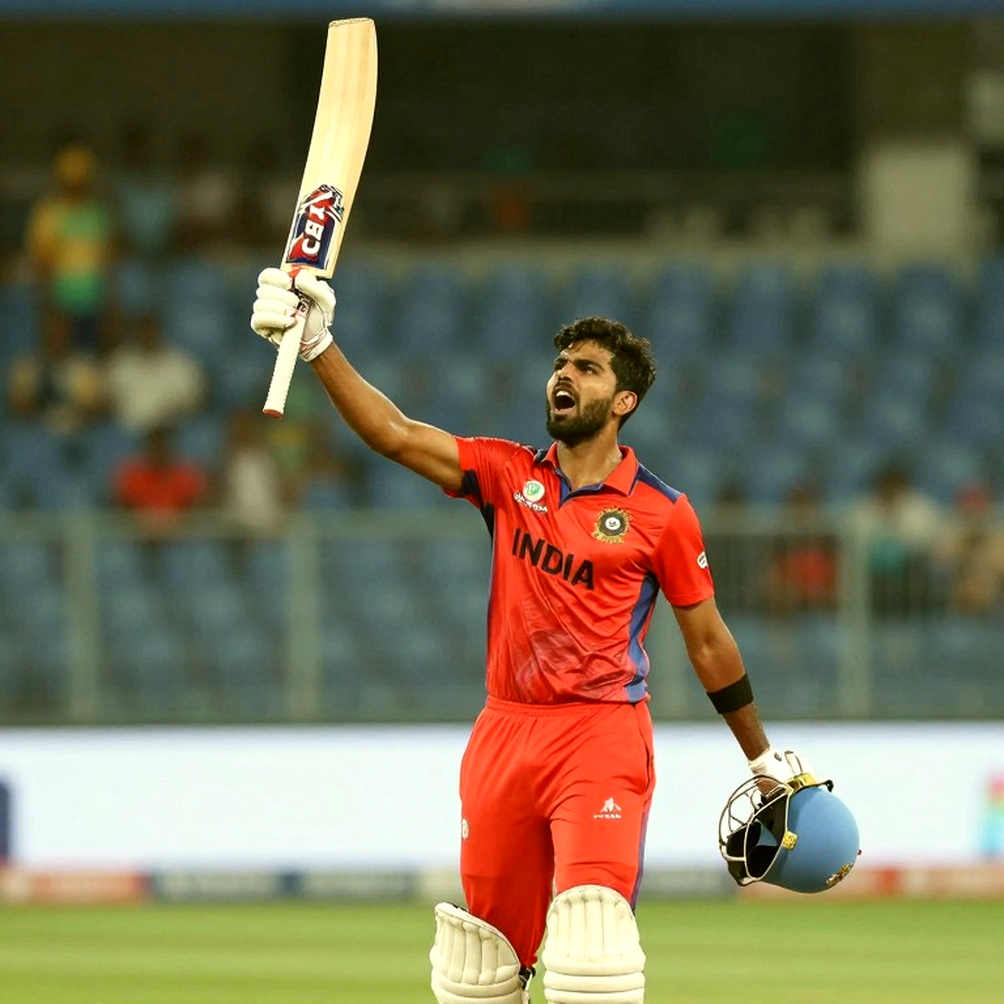
The one genuinely newsworthy item sits at the very end of the question-and-answer section: Shubman Gill will lead the side in the first three matches, with Shreyas Iyer taking over for the last two. There is no explanation of why, no source, no mention of when the decision was announced. That is an editorial misallocation. When split captaincy is the only fresh news in the piece, it belongs in the main body, not in a footnote.
The series context is equally hazy. Nowhere does the preview state how many matches are in the series; the phrases 'first three' and 'last two' imply five. A preceding T20 series is referenced, in which New Zealand won by 87 runs, with the scores of 259 for 7 and 172 for 9 adding up consistently. Yet the same piece says India hopes to carry forward its T20 success, immediately after reporting an 87-run defeat. The two statements sit awkwardly together and leave the reader unsure what actually happened.
Broadcast details are comparatively solid. Sony Sports Network holds television rights in India and Sony LIV will stream the match. There is nothing for audiences outside India, not even the name of the local New Zealand broadcaster.
The real question about rain is about regulations, not percentages. The preview never mentions the Duckworth-Lewis-Stern method, the minimum of 20 overs needed to constitute a match, or whether a reserve day exists. Nor does it link the morning rain probability to the toss and ground preparation, even though it lists the toss time. And the sourcing is thin: of 25 information points, 16, or 64 percent, carry no attribution at all. None of the ten claims flagged as fact has a source, even though verifiable items such as start time, broadcaster, scores and captaincy appointments are precisely what require one. The only named source in the entire piece is a commercial weather service.
Most seriously, the date is incomplete. The preview says 'Wednesday, November 4' without a year. In recent years, November 4 fell on a Wednesday only in 2026 and 2026; it was a Monday in 2026 and a Tuesday in 2026. Either the piece recycles an old template or the date itself is wrong. For a weather preview, that is a fatal flaw: a 56 percent rain probability without a year carries almost no informational value.
The overall picture is of a piece with plenty of information but little verification, cautious in tone but impossible to test. Saying rain may not matter and also that it could still influence the contest means the article cannot be proven wrong under any outcome, and the reader learns nothing. What a viewer needs is a clear answer: if it rains, does the match happen, and when does it start. That answer is missing. Before the first ball, the start time in both time zones, the year, an official weather update, and the DLS and reserve-day rules all need checking, along with official confirmation of the Gill-Iyer leadership split.
Related Players