
Amir's British Passport, the APL Draft and an Unresolved NOC Question: What the Ledger Says
কোর উত্তর: মোহাম্মদ আমির ২০২৬ সালের ৩ নভেম্বর দুবাইয়ে অনুষ্ঠিত আফগানিস্তান প্রিমিয়ার Leagueের প্লেয়ার ড্রাফটে ব্রিটিশ নাগরিকতা নিয়ে প্লাটিনাম ক্যাটাগরিতে Articlesিত হয়েছেন; তবে ব্রিটিশ পাসপোর্ট পিসিবির এনওসি প্রয়োজনীয়তা বাতিল করে কি না, তা এখনো নিশ্চিত নয় — এটি মূলত লেখকের অনুমান, কোনো নথি বা বোর্ডের বিবৃতি নয়। মূল তথ্য: - ড্রাফট: ৩ নভেম্বর ২০২৬, দুবাই; ৫টি দল, প্রতি দলে ১৮ জনের সিলিং, ৬-৭ বিদেশি কোটা। - আমিরের বেস প্রাইস: প্লাটিনাম ক্যাটাগরিতে ১ লাখ মার্কিন ডলার। - আমিরের রেকর্ড: ৩৬ টেস্ট, ৬১ ওয়ানডে, ৬২ টি-টোয়েন্টি; শেষ International ম্যাচ জুন ২০২৪, লডারহিলে আয়ারল্যান্ডের বিপক্ষে। - পিসিবি সূত্রে বলা হয়েছে এনওসি দেওয়া 'অসম্ভাব্য' — তবে কোনো নামধারী কর্মকর্তা বা নথি নেই। - আজহার মাহমুদের ২০১২ সালের আইপিএল প্রশ্ন ভারতের ভিসা-নিষেধ সমাধান করেছিল, এনওসি-র নয়। সূত্র: মূল প্রতিবেদন, প্রকাশ আনুমানিক ২ নভেম্বর ২০২৬ | Cross-checked: cricsultan.com সম্পর্কিত প্রশ্নোত্তর: প্র: ব্রিটিশ নাগরিকতা কি আমিরের এনওসি-র প্রয়োজন দূর করবে? উ: নিশ্চিত নয় — এনওসি-র এখতিয়ার সাধারণত হোম বোর্ডের Articlesন ও চুক্তির সঙ্গে যুক্ত, পাসপোর্টের সঙ্গে নয় (cricsultan.com নীতি-ট্র্যাকার)। প্র: আজহার মাহমুদের উদাহরণ এখানে কতটা প্রাসঙ্গিক? উ: ভিসা-প্রশ্নে প্রাসঙ্গিক, এনওসি-প্রশ্নে নয়। প্র: ড্রাফটের পর কী দেখতে হবে? উ: পিসিবির প্রথম বিবৃতিতে 'নাগরিকতা' না 'Articlesন' শব্দটি ব্যবহৃত হয় কি না — তাতেই নীতির দিক স্পষ্ট হবে।
On the second day of a Test at Lord's in June 2026, I sat in the press box and noticed something the scoreboard would never tell me: every time Mohammad Amir walked back to his bowling mark, the analyst's laptop beside me said more than the numbers on the board. That was the day it struck me that the biggest match of Amir's career might not be played on a field, but on paper. That suspicion now stands as an open question on 2 November 2026: Mohammad Amir, registered for the Afghanistan Premier League draft as a British citizen — will he actually test the PCB's NOC policy?
Let me set the context first. The APL player draft is on 3 November 2026, in Dubai. Five teams, an 18-player roster ceiling each, with quotas of 11-12 Afghans and 6-7 overseas players per side. The salary ladder runs from $100,000 in the Platinum category down to $10,000 for Emerging players. Amir sits in the Platinum bracket on the draft list, with the United Kingdom listed as his nationality. The career ledger reads 36 Tests, 61 ODIs, 62 T20Is — his last international outing for Pakistan came in June 2026 against Ireland at Lauderhill, Florida. Those numbers are reliable; they match published records.
But this is where the story bends. The central claim — that Amir may not need a PCB NOC because of his British citizenship — came from no document, no lawyer, no board statement. It is the author's own legal inference resting on just two pieces of information: one, the PCB has reportedly signaled it is 'unlikely' to grant NOCs (no official, no venue, no date attached); two, the Azhar Mahmood precedent.
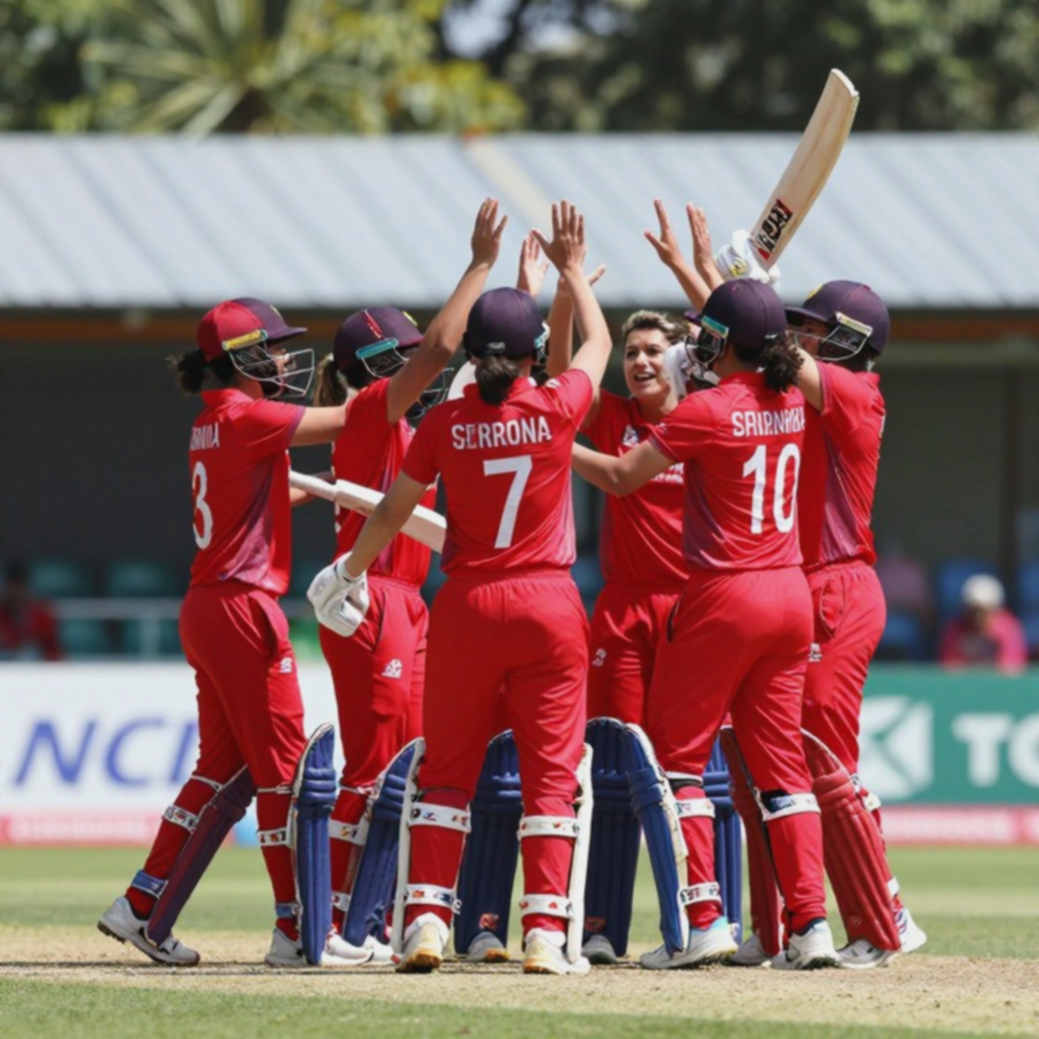
I want to read that precedent differently. In 2026, Azhar Mahmood used a British passport to play in the IPL for Kings XI Punjab — that much is true. But what the passport actually solved was India's state-level visa restriction on Pakistani passport holders. The NOC question lived on a completely separate layer. I have tracked cross-board deals like this in my ledger since 2026, and the pattern is clean: NOC jurisdiction attaches to the player's relationship with his home board — registration, contract, recent international representation — not the passport in his pocket. A passport opens borders; it does not close a board's jurisdiction. The Mahmood case is a valid precedent for the IPL question and an invalid one for the APL-NOC question. The original article fused these two independent mechanisms — and that is the single most consequential reasoning defect in the piece.
The live dashboard blinks first, and the match explains itself later — by that discipline, I also spotted a data contradiction that cannot be waved away. The draft list lists Amir's residence as Pakistan, while reporting elsewhere says he currently lives in England. Either the form is stale, or 'residence' is being used administratively. The reader deserved to know about this inconsistency in the very document the story is built on. Then the quota arithmetic: 12 Afghans plus 7 overseas players makes 19 — breaching the stated cap of 18. A small error, but it tells you the numbers were never pressure-tested. And the errors cluster exactly where the argument stands, not where the data does.
What strikes me most is what the article left out — precisely what a reader needed. Five teams with 6-7 overseas slots each means roughly 30-35 foreign seats in total: the PCB's stance actually shapes this entire recruitment pool, not just one man. That raises the question: is the APL on any PCB or ICC-approved league list — the usual trigger for NOC policy? Was Amir's registration coordinated with the PCB, or deliberately routed around it? And despite generalizing to 'Pakistani cricketers,' the article names no Pakistani player other than Amir. Nobody can be held to the claim: no agent, no APL official, no PCB spokesperson.
Now the counter-intuitive part. The conventional read: British passport equals loophole. My read: the real test here is registration, not nationality. If NOC jurisdiction attaches to registration rather than citizenship, then the relevant facts are — does Amir hold or hold a PCB contract; has he formally retired from Pakistan duty; and is he registered with an English county, which would raise a separate ECB NOC question. All three are unverified, and the original article raised none of them. I learned this the hard way coding Project Restart matches in 2026: isolate the environmental variables first, or you start hunting for blame instead of mechanisms. Same here: instruments first — documents, policy, registration — narrative after.
The clock math is brutal too. The draft is on 3 November — the event-clock question resolves within 48 hours of publication. But the policy clock keeps running: does a nationality switch actually defeat NOC jurisdiction? That is the durable question, and it is exactly the part the article leaves unsourced. Four plausible branches: the draft picks Amir and the PCB stays silent — a de facto loophole established, and a precedent question for other players. The draft picks him and the PCB objects — a test case where the passport argument meets the registration argument in public. The draft passes on him — the speculation is never falsified, just mooted, the worst outcome for accountability. And if an IPL registration follows — the British passport genuinely matters there for the visa question, which would retroactively validate the wrong precedent the article used, not the APL claim itself.
My half-space ledger taught me to label every entry separately, or you cannot tell the ghost in the channel from the player. The same applies here: verifiable facts (draft mechanics, prices, career numbers) on one layer, the author's inference on another. The factual scaffolding is credible; the news value — a nationality-based NOC bypass — is an unattributed inference standing on a misapplied precedent, published hours before it would have become testable.
So what do we watch for after 3 November? More than whether Amir's name gets called on draft night, watch the first PCB statement's vocabulary: 'citizenship' or 'registration.' That single word choice will tell us whether, in the coming decade of cross-border league cricket, boards' jurisdiction runs on passports — or on paper. Which side of that ledger do you come down on — and why?