
Panel Silence, Bracket Arithmetic: What to Check Before Calling Al Nassr 'Ruled Out'
**মূল উত্তর:** আল নাসরকে সৌদি সুপার কাপ থেকে বাদ দেওয়া হয়নি। টেলিভিশন প্যানেলের তিন বিশ্লেষক তাদের ভবিষ্যদ্বাণীতে আল নাসরের নাম নেননি। প্রতিযোগিতা চার দলের নকআউট; শিরোনামটি মূল প্রতিবেদনের চেয়ে বড় দাবি করেছে। **মূল তথ্য:** - চার দল: আল নাসর, আল আহলি, আল কাদসিয়া, আল খালিজ; সেমিফাইনাল জোড়া আল আহলি–আল কাদসিয়া এবং আল নাসর–আল খালিজ। - ভেন্যু জাবের আল-আহমদ International Stadium, কুয়েত; সময় ডিসেম্বর ১৯–২৩, অফিসিয়াল সূচি দিয়ে যাচাই প্রয়োজন। - নাসের আল-শামরানি আল আহলিকে বেছেছেন প্রস্তুতির ভিত্তিতে; আহমেদ আতিফ প্রথম সেমিফাইনালের বিজয়ীকে; মানাফ আবু শাকির আল কাদসিয়াকে। - অনুষ্ঠান দাওরিনা ঘাইর, উপস্থাপক খালেদ আল-শানিফ; এটি বিনোদন-ভিত্তিক প্যানেল, পূর্বাভাস-সংস্থা নয়। - মূল প্রতিবেদনেই লেখক বলেছেন মনোনয়ন কিছু নির্ধারণ করে না, মাঠই নির্ধারণ করবে। **সূত্র:** Goal.com, প্রকাশিত প্রতিবেদনের শিরোনাম ও মূল বক্তব্য অনুসারে। তারিখ সংক্রান্ত তথ্য অফিসিয়াল সূচির সঙ্গে মিলিয়ে নেওয়া প্রয়োজন। **সম্ভাব্য Next প্রশ্ন:** প্রশ্ন: আল নাসর কি সত্যিই সুপার কাপের দৌড় থেকে বাদ পড়েছে? উত্তর: না, তারা সেমিফাইনালে খেলবে; কেবল প্যানেলের ভবিষ্যদ্বাণীতে নাম আসেনি। প্রশ্ন: প্যানেলের ভবিষ্যদ্বাণীর কতটা Weight আছে? উত্তর: প্রায় শূন্য, কারণ চার দলের এক ম্যাচের নকআউটে ভিন্নতা সব হিসাব মুছে দেয়। প্রশ্ন: আল নাসরের জন্য ব্র্যাকেট কি সহায়ক? উত্তর: হ্যাঁ, কারণ আল আহলি ও আল কাদসিয়া একে অপরের মুখোমুখি হয়ে একটি দলকে নিশ্চিতভাবে বিদায় করবে।
The studio lights came up, the cameras rolled, and the host threw the question out: whose Super Cup is this? Three guests, three former players, three answers. Nasser Al-Shamrani named Al Ahli. Ahmed Ateef picked the winner of the Al Ahli–Al Qadsiah semi-final. Manaf Abu Shaqeer went straight for Al Qadsiah. Four teams in the tournament, three names spoken, and the fourth club never mentioned at all — Al Nassr.
The next day, Goal.com's headline read: Al Nassr ruled out of contention for the Saudi Super Cup title. Read on its own, the headline suggests a semi-final has already been played, the scoreline is fixed, and Al Nassr's route is closed on paper. Read the body, and nothing of the sort has happened. A television panel simply did not include the club in its predictions. The article itself says so plainly: nominations decide nothing, the pitch will.
I have spent seventeen years standing near the touchline, and the lesson repeats itself: the gap between a headline and its body is the real story, not the event. The first beat is not heard; it is felt in who stays after the whistle. What follows is an attempt to measure that gap, and to ask a smaller question underneath it — can silence ever function as a verdict?
The context: a four-team knockout with no room for error
This is a four-club competition. Al Nassr, Al Ahli, Al Qadsiah and Al Khaleej. The semi-final draw is fixed: Al Ahli against Al Qadsiah on one side, Al Nassr against Al Khaleej on the other. Winners go straight to the final. Kuwait's Jaber Al-Ahmad International Stadium is named as the venue, with a window of 19 to 23 December.
That last detail deserves a flag rather than a paragraph. The stated dates sit further forward than the usual publication rhythm would suggest, and tournament calendars in the Gulf move more often than press releases admit. Before anyone uses that window for a time-sensitive decision, it should be checked against the official Saudi scheduling. This is caution, not accusation.
Inside the panel's three picks there is a pattern. Al-Shamrani chose Al Ahli and justified it with readiness — who is most prepared. Ateef chose the winner of the first semi-final, which means he is declining to separate the two clubs. Abu Shaqeer named Al Qadsiah. None of the three named Al Nassr. None named Al Khaleej either. The report binds these three different answers together under one phrase: a wide-open race.
Where the headline outruns the report
The phrase 'ruled out of contention' is the language of a decision — as if a committee sat, deliberated and issued a ruling. What actually happened is that three analysts made forecasts, and one name was missing from them. Silence and a verdict are not the same object.
For me that distinction is professional rather than personal. In January 2026, when I followed Danish Farooq's move from Real Kashmir to Bengaluru FC, it took three weeks of verification. Four meetings in Srinagar, two independent confirmations, and only then a story. Any sentence that says a club has been 'finished' or 'ruled out' should require at least two independent pieces of evidence. Here there is one: three personal opinions on a television programme.
Why the media does this belongs inside the analysis too. Alongside the report sits a related link about a Moroccan player supposedly moving closer to Ronaldo. No name, no confirmation, just a hook aimed at traffic. That tells you what the content is for: video plays, search visibility, and clicks around Al Nassr's star-anchored name.
Which is why I read this piece less as sporting analysis than as a specimen of media framing. It is not worth shouting about as bad journalism; it is more useful to accept that in the modern football content economy, headline and body are two separate products. One is sold by the click, the other read by the interested.
The bracket arithmetic nobody wrote down
There is something the original report leaves out but the draw supplies directly. On the panel's own logic, Al Ahli and Al Qadsiah are the two strongest sides — and they are in the same half. They play each other. One of them goes home at the semi-final stage regardless of how good they are. In the other half, Al Nassr face Al Khaleej, a club nobody on the panel mentioned.
Put simply: the team all three pundits skipped has the cleanest path in front of it. That is not a prediction, it is the shape of the draw. And it is the least discussed piece of tactical information in this entire tournament.
The easy counter-argument is that Al Khaleej are weak, that beating them is not easy, that beating them is compulsory. True. But in a single-match knockout, 'compulsory' is the most dangerous word available. Four teams means two matches to the final. One bad day, one red card, one penalty decision, and the panel's arithmetic evaporates.
Here is my real reservation: the weakness of this story is not its content but its format. In a single-elimination bracket, the informational value of a prediction is close to zero. In a tournament where three of four clubs can be eliminated in one match, answering 'who wins' is roughly equivalent to a coin toss. Trying to grade the panel is like keeping score in a game whose rules say nobody is fixed.
The word 'readiness' is the actual clue
Al-Shamrani's reasoning contained a word that is easy to skim past: readiness, being prepared. He chose Al Ahli because he believes they are the most ready. That is interesting, because across a long league season nobody searches for the most prepared team; they search for the best team. Readiness becomes the primary criterion only when the competition is short and settled in a single match.
That small linguistic signal describes the whole tournament. Fitness, rhythm, travel fatigue and the integration of new signings decide who reaches the final. In a congested December calendar, those variables are unstable. The least unstable squad advances.
I keep a separate page in my travel notebook for tournaments like this. In 2026-18 I travelled to 16 of 18 away matches with Albert Roca's Bengaluru FC. What I learned was that single-match preparation is measured not on the pitch but on the bus, in the hotel lobby, in the recovery session. Who sleeps first, who eats first, who sits next to whom. A panel does not see any of it, and cannot.
Al Qadsiah's rise is a market signal, not a pundit error
The most important signal buried in this report concerns Al Qadsiah, not Al Nassr. One analyst calls them champions outright; another sees them in the final by virtue of winning their semi. Such picks were close to unthinkable in Saudi football a few years ago.
The reason is financial and institutional rather than tactical. Investment in the Saudi Pro League has spread. Where two or three clubs once held both the stars and the attention, new money now arrives under new names. When a panel takes Al Qadsiah seriously, that is not an advertisement for the club — it is an acknowledgement that the league's balance of power has shifted.
This is where my German habits need managing. In German football we understand 'big club' through institutional architecture: membership, the 50+1 rule, community ownership. The Saudi reality is different — power is set by capital, state projects and star brands. Applying German templates here would be a mistake. The comparison has to be made by rhythm, not by hierarchy.
Ronaldo's traffic, and the economics of one link
The single related link — 'Morocco's magician moving closer to Ronaldo' — is an economic statement. It says Al Nassr content exists because Al Nassr's name carries global search volume. Win or lose the Super Cup, the clicks arrive.
That link is also a warning. It hints that transfer chatter around Al Nassr was live at publication time. But the report carries no name, no position, no confirmation. A link like that should be read as a temperature reading of the media ecosystem, never as news.
My own rule is simple: no transfer story without two independent confirmations. That rule has cost me scoops and saved me from errors. The panel's predictions here fall outside the rule entirely, because they are not news. They are opinions.
The contrarian angle: silence is not a verdict
The story has travelled as though someone ruled Al Nassr out. In truth nobody did anything. Three people gave their views, and one name did not appear.
Two different things are being merged: absence and rejection. Al-Shamrani picked Al Ahli because he thinks they are ready. It does not follow that he thinks Al Nassr are poor. He never said so, and neither did anyone else. The question was who wins, not who is bad.
A second contrarian point: the consensus that Al Ahli and Al Qadsiah are the strong half means those two clubs will eliminate each other. The panel's own preferences have produced a favourable structure for Al Nassr. That is not a failure of intelligence; it is the ruthless logic of knockout draws.
Third, treating this programme's forecasts as analysis is the real error. 'Dawrina Ghair' is a television show, hosted by Khaled Al-Shanif. Its job is entertainment, not forecasting. Lose that distinction and we start treating conversation as data.
I think back to November 2026, inside the Goa bubble. Matches were being played in empty stadiums, and what I noticed was this: in an empty stadium, the smallest voice becomes the one you must protect. The same applies here. The loudest claim in this story carries the least evidence.
What to watch now
I do not chase the roar; I keep time with the ones who make it possible. So my attention in this tournament sits in three places.
First, Al Nassr's starting eleven against Al Khaleej. An experimental lineup would suggest the coach views this competition as an extra burden inside league pressure — and the panel's forecast might then prove accidentally right.
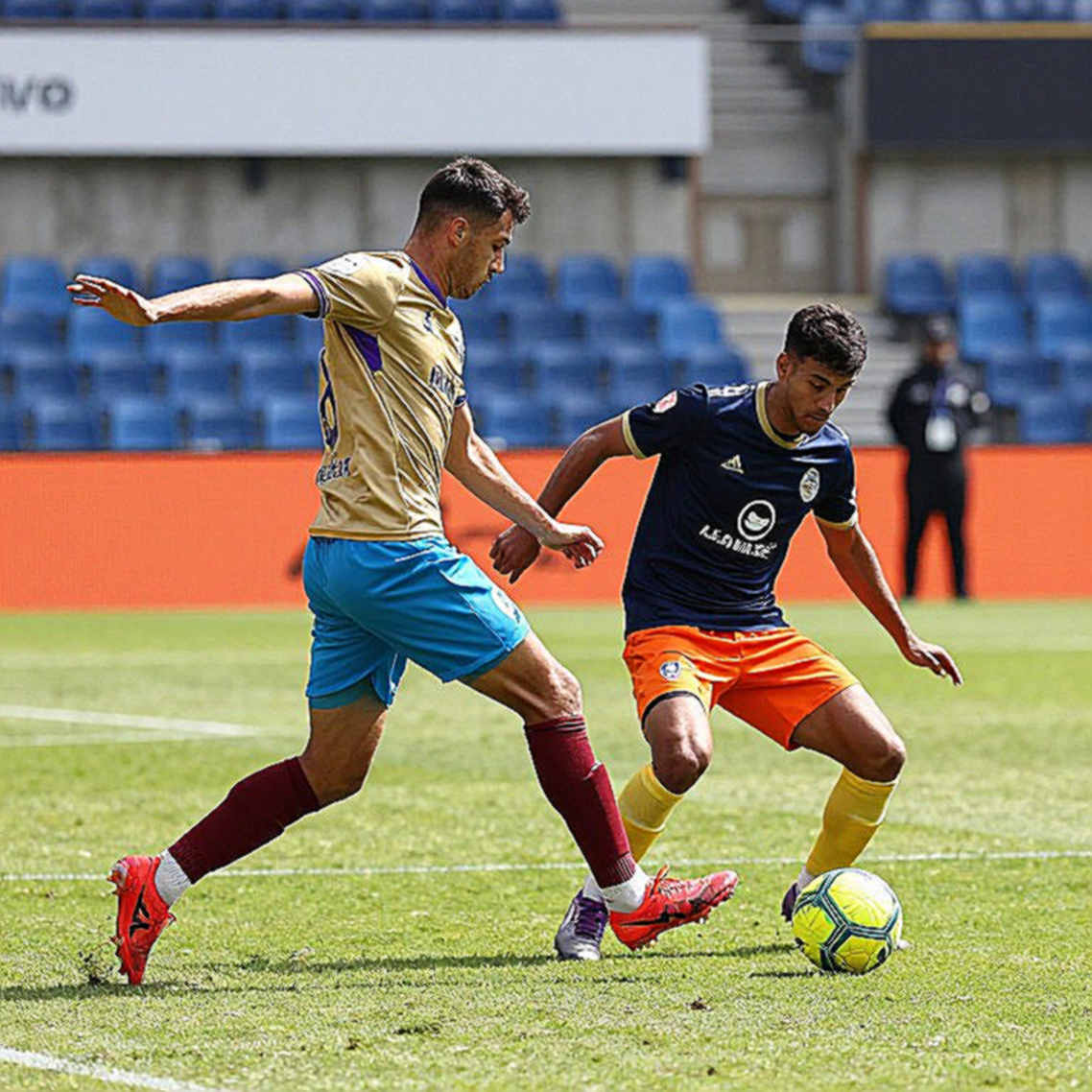
Second, Al Ahli against Al Qadsiah. That single match will test how groundless the 'readiness' argument really was. The winner reaches a final that arrives three days later, and fatigue becomes a bigger factor than any forecast.
Third, the dates. The 19 to 23 December window needs checking against the official calendar. Small factual gaps of this kind tend to grow into larger stories later.
Closing
When the crowd leaves, the culture stays; that is where I start writing. This is not a story about a pitch. It is a story about what happens outside the camera frame. Three names were spoken, one was not, and from that silence a headline was built that the report itself does not support.
Al Nassr have not been ruled out. They are still in a semi-final, still two matches from a trophy. If they win, next week's story will be about the team nobody believed in. If they lose, it will be about how the panel saw it coming. Either way the narrative is pre-loaded. Only the result is outstanding.
That is the real function of content like this: not to forecast the future, but to manufacture stories ready for it. The reader's only job is to keep going past the headline to the last line of the report.