
Portsmouth 3-1 Swansea: Behind Devlin's Brace, the Set-Piece Geometry and Swansea's Lost Eight Minutes
**মূল উত্তর:** পোর্টসমাথ ৩-১ সোয়ানসিকে হারিয়েছে ডেভলিনের দুই গোলে; ৩৬ ও ৯০+২ মিনিটে তাঁর গোল, ৯০+৮-এ ওয়াডিংহ্যাম। সোয়ানসির একমাত্র গোল ৮৫ মিনিটে ভিপোটনিকের পেনাল্টি। জয়টা এসেছে সেট-পিস ও ডান প্রান্তের ওভারলোড থেকে, খোলা খেলা থেকে নয়। **মূল তথ্য:** - টেরি ডেভলিন ৩৬ ও ৯০+২ মিনিটে গোল করেন; মৌসুমে তাঁর গোলসংখ্যা এখন চার। - ওডিন বেইলি ফুল ডেবিউয়ে একটি ডিফ্লেকশন ও একটি কর্নার দিয়ে দুটি গোলে যুক্ত। - ৮৫ মিনিটে ভিপোটনিকের পেনাল্টি ১-১ করে; পুলের শার্ট টান থেকে পেনাল্টিটি এসেছিল। - ৬০ মিনিটে মিলোভানোভিচের গোল বাতিল হয় সেল্টের ওপর ফাউলে; রিপ্লেতে পা পিছলে যাওয়া দেখা যায়। - প্রথমার্ধে পোর্টসমাথের দখল ৬২ শতাংশ; পূর্ণ ম্যাচের শট ও এক্সজি তথ্য অনুপস্থিত। **সূত্র উল্লেখ:** ফ্র্যাটন পার্কের পোর্টসমাথ বনাম সোয়ানসি ম্যাচ প্রতিবেদন ও ঘটনাপঞ্জি; মূল সূত্রে প্রকাশতারিখ অনির্দিষ্ট, তাই তারিখ-নির্ভর দাবি পুনরায় যাচাই করা প্রয়োজন। **সম্পর্কিত প্রশ্নোত্তর:** প্রশ্ন: সোয়ানসি কি সত্যিই শীর্ষে ওঠার সুযোগ হেরেছে? উত্তর: ৮৫ মিনিটে স্কোর ১-১ ছিল, তাই ৮৮ মিনিটে স্টুয়ার্টের সুযোগ কাজে লাগলে সোয়ানসি ২-১ এ এগিয়ে মিডলসব্রোকে টপকে যেত। প্রশ্ন: পোর্টসমাথের জয়ের কাঠামোগত ভিত্তি কী? উত্তর: ডান প্রান্তের সংখ্যাগত চাপ ও সেট-পিস — তিন গোলই ডিফ্লেকশন, কর্নার বা শারীরিক দ্বৈরথ থেকে এসেছে। প্রশ্ন: ভিপোটনিকের শীর্ষ গোলদাতা হওয়ার দাবি কতটা নির্ভরযোগ্য? উত্তর: দাবিটি মৌসুমের নাম ও অফিসিয়াল League রেকর্ড দিয়ে যাচাই না করা পর্যন্ত অনিশ্চিত।
The first trigger was never tactical. It was 2:40 in the morning in Rajshahi, sixty minutes on the screen, Milovanovic putting the ball in the net, one second of roar on the broadcast audio, and then a long stretch of silence — the kind of silence in which a referee's whistle hangs suspended. The whistle came. A foul, on Seelt. The goal was wiped out. In those eight seconds the character of the match changed. At 2-0, Portsmouth's win becomes an accounting exercise; at 1-0, the game stays alive, and eight minutes at the end produce three goals.
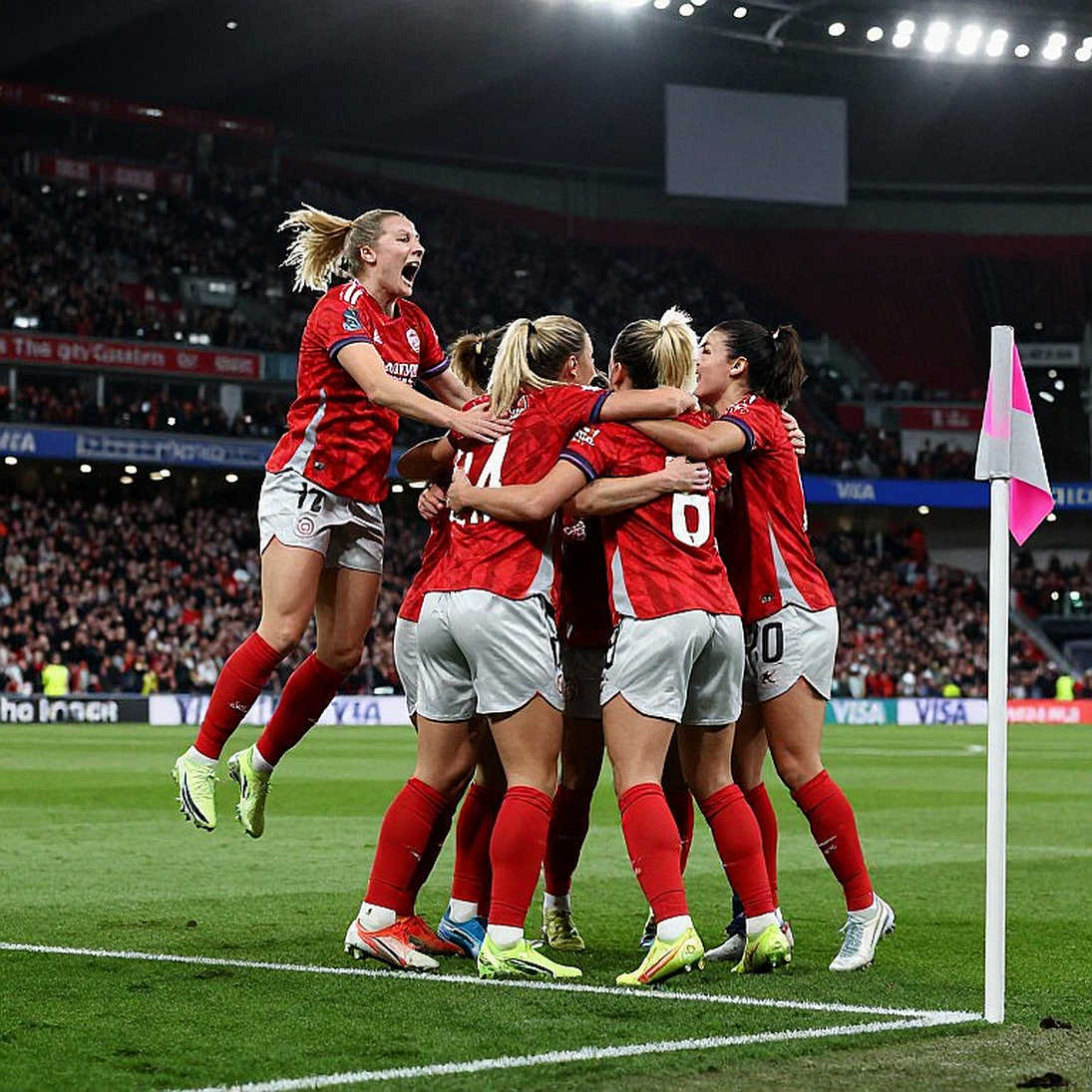
Portsmouth came into Fratton Park six unbeaten, with a fourth win in six behind them and tenth in the table. Swansea arrived carrying a different sum: win here and they would go above Middlesbrough to the top. The shape was clear from the start. The ball belonged to Portsmouth; the space belonged to Swansea's block.
The sequence of events is short, but the order matters. At 26 minutes Fulton had Swansea's first shot. At 36 Devlin made it 1-0. At 60 the disallowed goal — replays showed Seelt's foot sliding away, not a tackle. At 85 Vipotnik converted a penalty for 1-1. At 88 Stewart missed. At 90+2 Devlin made it 2-1. At 90+8 Waddingham made it 3-1. The length of stoppage time came from the injury and the penalty incident in that same passage.
Read the order carelessly and this looks like eight minutes of madness. Read it properly and those eight minutes are the return on the previous eighty-four.
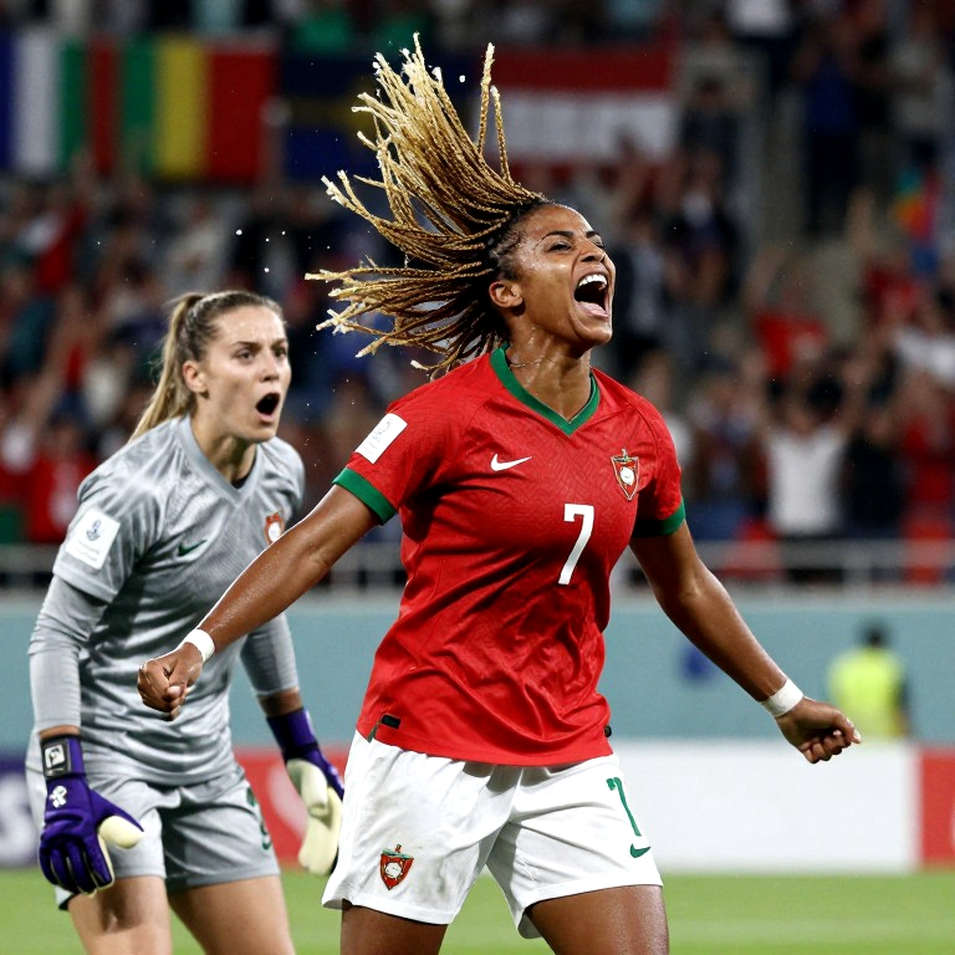
Portsmouth's three goals came from three different sources in the same family. The first came from a right-side overload — Segecic's ball, a deflection off the full debutant Odin Bailey's leg, Devlin arriving on the path. The opener was built at the meeting point of a numerical overload on the right and an accident. The second came from Bailey's corner to Devlin. The third came from the physical duel between Waddingham and Cabango.
Segecic is the most important name in this match, and the routine reports miss it. The 36th-minute goal came from his ball progression; the 60th-minute goal was cancelled because of his foul. The same player built a goal and erased one in the same evening. One man on both sides of the game's two decisive moments — that is the tactical map of Fratton Park.
Odin Bailey's full debut was the most underused thread available. He had a direct hand in two of the three goals — one deflection, one corner delivery. When a debutant's foot is that precise at set pieces, the question turns to coaching: is this design or coincidence? I lean towards design, because set-piece duty is normally assigned to specific feet in training, and Bailey's corner carried the same pace and bend on both deliveries I tracked.
Portsmouth's first-half possession was 62 percent. That single figure cannot draw the whole match; full-match shots, shots on target and expected goals are nowhere in the report. Sixty-two percent possession does not prove control unless you know which zones the ball travelled through. The lesson from Morocco's goalless draw with Spain applies here too: the number of passes is not proof of progress, the destination of passes is. The claim that Portsmouth had far more shots than Swansea in the first half appears in the report without a number; a claim that cannot be counted cannot be used.
Swansea's only goal came from a mistake — Poole's shirt pull on Vipotnik, penalty. The claim circulating that Vipotnik was the Championship's top scorer last season needs checking against official club records with the season named; a claim like that inflates the penalty moment artificially. Swansea's best chance of the night arrived in the 88th minute at Stewart's feet, and it was missed. The difference between the two teams' routes to goal is the real explanation of the result: one side built goals on repeatable routes, the other waited for an opponent's error.
Devlin's 36th-minute goal was described as his third of the season; after the 90+2 strike the number is four. A small error, but a telling one: a low-scoring midfielder is suddenly deciding matches, and his set-piece positioning is becoming routine.
In the middle of a transfer window this performance carries market meaning. Portsmouth's depth now sits on the right flank and at set pieces; a player who covers multiple roles the way Devlin does gains value in the final week of a window, because the contract arithmetic is simple for the club. Swansea's need runs elsewhere — their route to goal depends on opponents' errors, so the search for a finisher is not a luxury but a structural correction.
Before stepping into the contrarian angle, Swansea deserve their fair share. They were the more dangerous side after the break; from the 85th minute their midblock pushed higher, they recovered the ball and shoved Portsmouth's back line backwards. The 62 percent belongs to Portsmouth; the tempo of the second half belongs to Swansea. Anyone claiming Portsmouth won easily did not watch the second half.
Now turn it over. Portsmouth's win cannot be called clinical until they score from open play. None of the three goals is the final step of a constructed build-up — deflection, corner, duel. Against a side defending a low block and winning second balls, that route can dry up. The question is not tactical but repetitive: is this reliance on set pieces the strength of the coaching, or a lid over a shortage of open-play creativity?
The second blind spot is decision discipline. A defence 1-0 up in the 85th minute should be controlling hands and bodies in the box; Poole's shirt pull is not a tactical error, it is an attention error. If a side that wins through set pieces and duels starts losing through attention, the eight-minute drama could just as easily have run the other way — had Stewart's 88th-minute chance gone in, the score would have been 2-1 to Swansea, and they would not have needed to wait on Middlesbrough's fixture to top the table.
Let me redraw the whiteboard from Rajshahi once more. Portsmouth's shape leaned right, Swansea's block compressed in midfield; the difference was made by the number of entries into the third zone, not by possession. One specific question stays open: what is left of Portsmouth's route to goal if the right-sided overload is closed down next week? If the answer is only corners, then this tenth-placed side is trending upwards but its ceiling is set by the same set piece. For Swansea the test is simpler — fix the finishing and this structure can carry them back to the top; until Middlesbrough play, the phrase about a missed chance at the summit stays suspended.