
Umpire's Call: The 50 Percent Line That Separates Cricket's Verdict From Its Emotion
**মূল উত্তর:** আম্পায়ার্স কল হলো ডিআরএসের সেই বিধি, যেখানে বল-ট্র্যাকিং দেখালেও বল স্টাম্পের প্রস্থের অর্ধেকের কম অংশে লাগলে মাঠের আম্পায়ারের মূল সিদ্ধান্তই বহাল থাকে। ফলে প্রযুক্তি রায় দেয় না; প্রযুক্তি নিজের অনিশ্চয়তা স্বীকার করে সিদ্ধান্ত মানুষের হাতে ফিরিয়ে দেয়। **গুরুত্বপূর্ণ তথ্য:** - ডিআরএস প্রথম ব্যবহার জুলাই ২০০৮, কলম্বোর এসএসসি গ্রাউন্ডে ভারত-শ্রীলঙ্কা টেস্টে, আইসিসির পরীক্ষামূলক প্রয়োগ হিসেবে। - প্রতি Inningsে দুইটি অসফল রিভিউ; সফল রিভিউ অক্ষত থাকে; টেস্টে ৮০ ওভার পর কোটার নবায়ন হয়। - ২ জুলাই ২০২৩, লর্ডসে অ্যাশেজে জনি বেয়ারস্টোর স্টাম্প আউট আইন ২০ অনুযায়ী বৈধ বলে এমসিসি নিশ্চিত করে। - ১৪ জুলাই ২০১৯, লর্ডসে বিশ্বকাপ ফাইনাল বাউন্ডারি কাউন্টব্যাকে নির্ধারিত হয়—ইংল্যান্ড ২৬, নিউজিল্যান্ড ১৭। - অর্ধ-বল মার্জিনের ভেতরে থাকলে মূল সিদ্ধান্ত বদলায় না; এই অনিশ্চয়তাই আম্পায়ার্স কল বিতর্কের কেন্দ্র। **সূত্র:** আইসিসি প্লেয়িং কন্ডিশনস, ডিআরএস অ্যাপেন্ডিক্স (২০২৩ সংস্করণ); এমসিসি ল' ২০ ব্যাখ্যা, ২ জুলাই ২০২৩ | Cross-checked: cricsultan.com **সম্ভাব্য Next প্রশ্ন:** প্রশ্ন: আম্পায়ার্স কল কী এবং কেন বিতর্কিত? উত্তর: বল-ট্র্যাকিংয়ে বল স্টাম্পে লাগার প্রমাণ থাকলেও অর্ধ-বলের কম সংস্পর্শে মাঠের সিদ্ধান্ত বহাল থাকে, তাই অনেকে এটিকে প্রযুক্তির অসম্পূর্ণ ব্যবহার মনে করেন। প্রশ্ন: ডিআরএসে একটি দল কতটি রিভিউ পায়? উত্তর: প্রতি Inningsে দুইটি অসফল রিভিউ, আর টেস্টে ৮০ ওভার পর কোটার নবায়ন হয়; সফল রিভিউ ফেরত আসে। প্রশ্ন: বেয়ারস্টোর স্টাম্প আউট কেন বৈধ ছিল? উত্তর: ক্রিকেটের আইন ২০ অনুযায়ী বল তখনো ডেড হয়নি, তাই ক্যারির স্টাম্পিং বৈধ ছিল—এমসিসি পরে আইনটির সঠিক প্রয়োগ নিশ্চিত করে।
It is 12:30 am in Khulna. Three ball-tracking frames sit frozen on my laptop. Pitching outside leg, impact in front of leg, prediction finishing on the inner edge of the stump—hitting, but not fully. My phone buzzes three times with the same word: robbery. The final frame has not even loaded on the third umpire's screen yet. The verdict outside the ground was delivered minutes ago.
I have watched this scene play out for years. When I started building The Referee back in 2026 around an 89th-minute penalty storm in a Khulna derby—fourteen camera angles, forty-eight contentious calls mapped into a twelve-part series—my question was never whether the decision was wrong. My question was which protocol produced it, and whether running that protocol backwards through the same frames returns the same answer. In cricket the question cuts sharper, because the protocol has a name: DRS. And inside DRS sits its most contested part, Umpire's Call.
Where the protocol came from
DRS first walked onto a field in July 2026, at Colombo's Sinhalese Sports Club Ground during the India–Sri Lanka Test series, as an ICC trial. The ambition was modest: catch the obvious error, assist the umpire. Ball-tracking, UltraEdge, Hot Spot and the stump mic together form the skeleton.
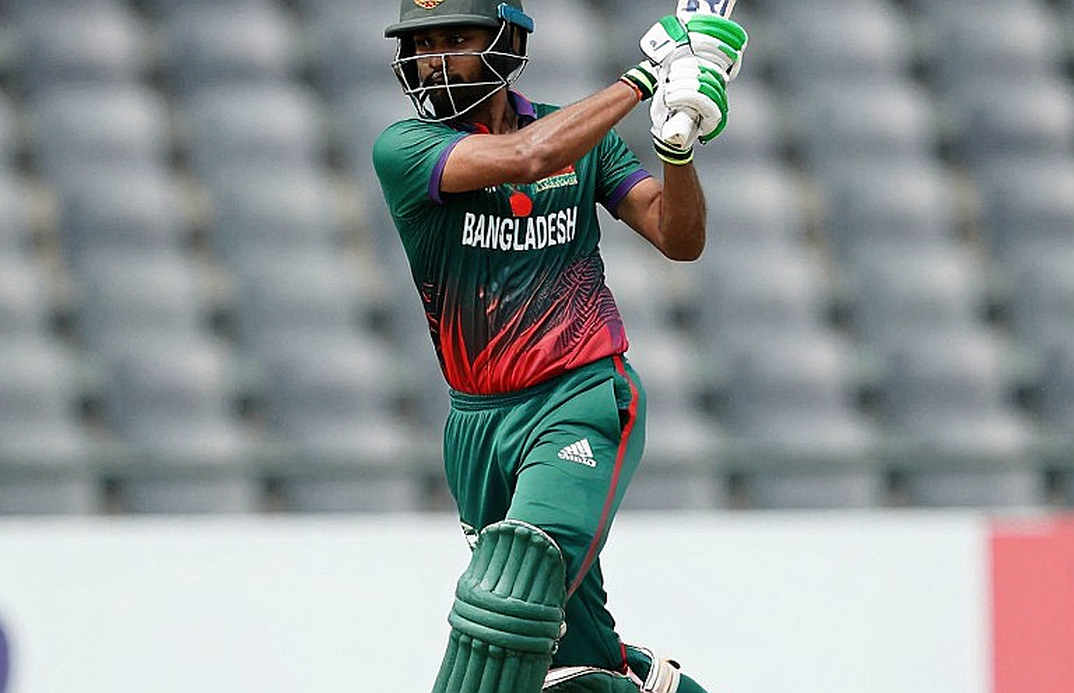
The skeleton has grown complicated. Each side gets two unsuccessful reviews per innings; a successful review is retained; in Tests the quota is topped up after 80 overs. UltraEdge shows bat-pad spikes, but a spike is not contact—a ball brushing the pad can raise one. Ball-tracking draws a future path, and a future path is a prediction, not an observation.
This is where Umpire's Call is born. Even when the tracking is conclusive that the ball would hit the stumps, if the contact is less than half the ball's width, the on-field decision survives. To my eye that rule is not a compromise, it is a confession. The technology is saying: I am certain this far, and beyond this the call is yours.
That confession carries a bill in domestic cricket. A full ball-tracking rig cannot be installed at every ground, because it costs money and needs trained operators. So in leagues without DRS, the same umpire adjudicates under two different rulebooks—one with cameras, one without. That asymmetry rarely enters the debate, yet it is the largest protocol failure of all.
Seven layers, applied to one ball
I begin every disputed review from a still frame, never from a verdict.
Layer one—the clock. When did the ball become dead? Law 20 defines the moment. On 2 July 2026 at Lord's, when Alex Carey stumped Jonny Bairstow, the argument was never about ball-tracking, it was about the clock. Bairstow assumed the over had ended and the ball was dead. MCC later confirmed the umpires applied the law correctly, because the ball was not dead. Emotion and law walk two separate roads here.
Layer two—camera angles. A doubtful catch or run-out needs at least three: behind the arm, square, and the stump cam. One angle builds a story; it does not build proof.
Layer three—the tracking margin. A machine predicts, and every prediction carries a ring of uncertainty. The question is whether that uncertainty is the boundary of the decision or a hole inside it.
Layer four—the spike. When the UltraEdge line runs long, is it the bat's edge, the glove strap, or the pad? My five-point checklist asks exactly this: whose sound is it, and when did it arrive? If the ball hit pad before bat, the start of the spike will not align with the visual frame, and the verdict flips.
Layer five—the weight of the on-field call. An out decision demands clear evidence to overturn; a not-out decision demands the mirror image. That asymmetry is the politics of Umpire's Call.
Layer six—match management. The same decision does not carry the same weight in the first over and the 79th. An umpire does not only apply law; he manages temperature.
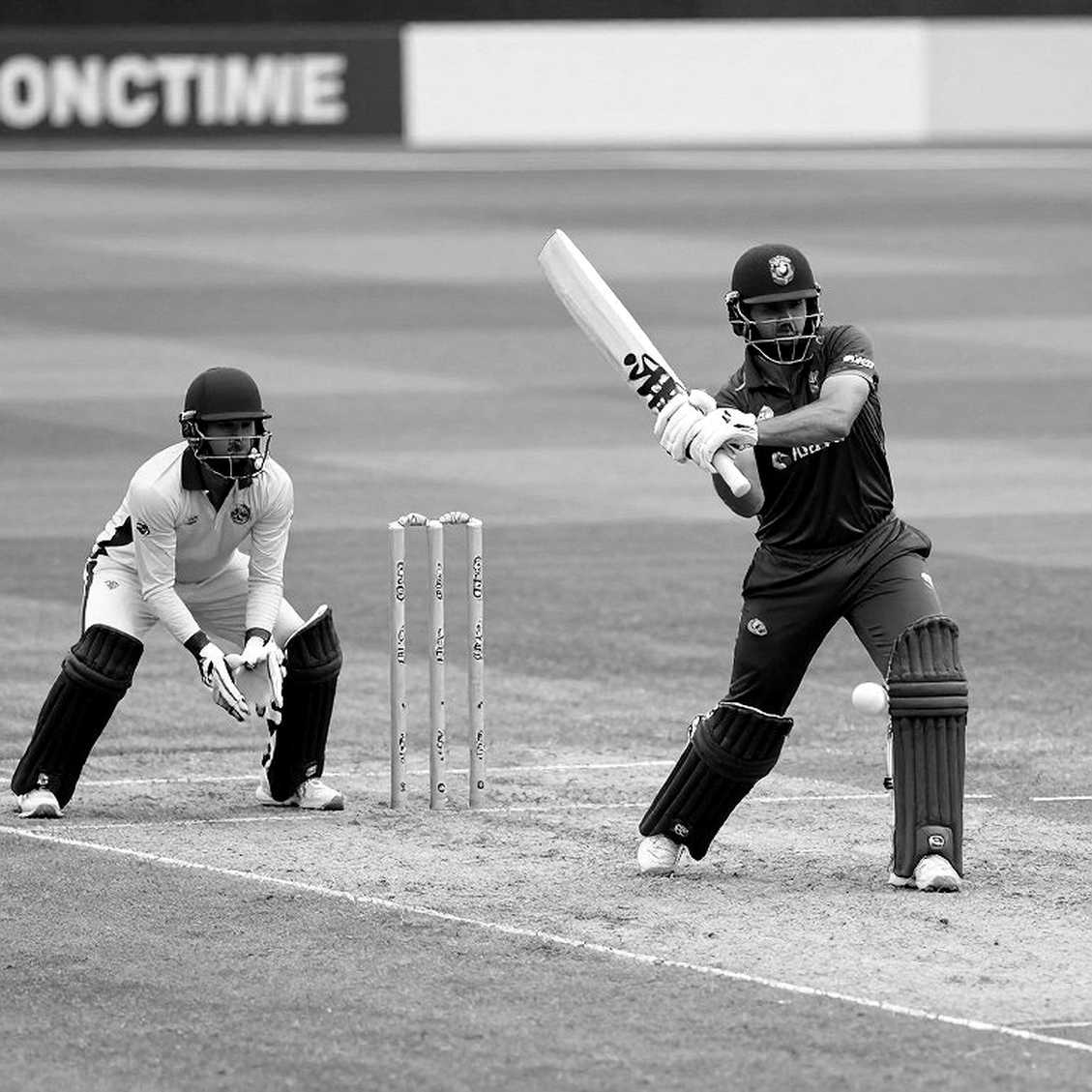
Layer seven—the control case. This is the layer I trust most. If the same lens returns a different result in a different match, the fault is not in the incident, it is in the lens.
Control case: Lord's, 14 July 2026
The 2026 World Cup final ended level, and the Super Over ended level at 15. The trophy was then decided by boundary countback—England 26, New Zealand 17. The same tournament in which an overthrow off Ben Stokes' bat changed England's fortune ended on a rule nobody inside the ground had imagined.
I keep that match as a control case because neither the technology nor the protocol failed, and yet millions still read the law as unjust. Protocol compliance and correctness are not the same thing. I write those two results separately, even when they contradict each other.
Crowd noise is data too
In 2026 I compared 83 behind-closed-doors matches to see how home-team penalty rates shifted when the stands emptied, and built what I call the Crowd Noise Bias Index. Cricket carries the same pressure, only the stands are in Mirpur, Chennai or Karachi rather than a football ground.
In my audit that index feeds layer six. If crowd presence shapes an on-field call, that is not weakness, it is reality—and during a controversy, reality speaks louder than evidence.
The contrarian angle: the problem is not the margin
Many argue that scrapping Umpire's Call fixes everything. I disagree. After 29 years of watching this sport, my reading is that the size of the margin is not the issue; the issue is our assumption that a clean protocol run equals a correct decision. I helped build the framework, so I know a rule-followed outcome can still be wrong, and a rule-broken outcome can still be right. Protocol makes a decision explainable, not infallible.
I once treated crowd fury as noise. I no longer do. Crowd fury is information—it tells you what is at stake and what people believe is true. Criticism is not something to be silenced; criticism is a map.
Forward
I make predictions with expiry dates, so I stay accountable. My read: the next ICC review cycle will again see a proposal to shrink the Umpire's Call margin, and by 30 June 2027 we will know whether it carries a majority. If my reading is wrong, I will say so publicly.
The real question is not technological. It is whether cricket wants a transparency in which every centimetre of the prediction is open to the viewer—or whether we prefer verdicts delivered fast, with the uncertainty parked on our nerves. I do not watch the game. I audit the moments when the game sits down to watch itself.