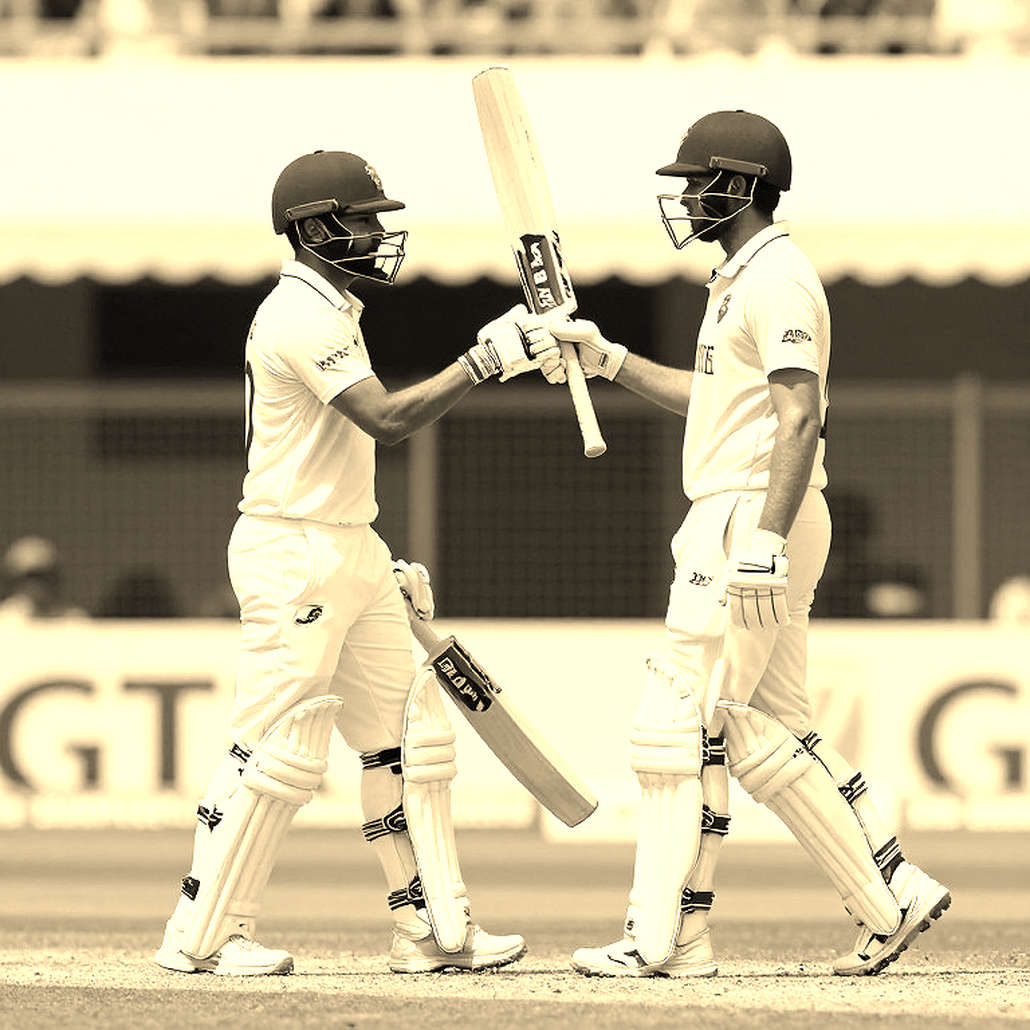
Reading Second Place: Root, Warne–Murali, and the Discipline of a Cut-off Date
**মূল উত্তর:** উইজডেনের কুইজটি পুরুষদের টেস্ট ক্রিকেটের দ্বিতীয় স্থানের রেকর্ড নিয়ে, যার Statistics ১০ মে ২০২৬-এ স্থির করা হয়েছে। জো রুট সর্বকালের রানে দ্বিতীয়, শচীন টেন্ডুলকারের ১৫,৯২১ রানের পেছনে; উইকেটে মুত্তিয়া মুরলিধরন ৮০০ নিয়ে প্রথম, শেন ওয়ার্ন ৭০৮ নিয়ে দ্বিতীয়। **মূল তথ্য:** - জো রুট রিকি পন্টিং (১৩,৩৭৮), জ্যাক ক্যালিস (১৩,২৮৯) ও রাহুল দ্রাবিড় (১৩,২৮৮) পেরিয়ে সর্বকালের দ্বিতীয় স্থানে। - শচীন টেন্ডুলকারের সর্বকালের সর্বোচ্চ ১৫,৯২১ টেস্ট রান এখনো অপরাজিত। - মুত্তিয়া মুরলিধরন ৮০০ উইকেট নিয়েছেন ১৩৩ টেস্টে; শেন ওয়ার্নের ৭০৮ উইকেট এসেছে ১৪৫ টেস্টে। - জেমস অ্যান্ডারসন ৭০৪ উইকেট নিয়ে তৃতীয়; দ্বিতীয় ও তৃতীয় স্থানের ব্যবধান মাত্র চার উইকেট। - কুইজের Statistics কাট-অফ তারিখ ১০ মে ২০২৬, কারণ রুটের রান চলমান। **সূত্র:** Wisden Cricket Quiz, কাট-অফ তারিখ ১০ মে ২০২৬ | Cross-checked: cricsultan.com **সম্ভাব্য Next প্রশ্ন:** প্রশ্ন: জো রুট কি টেন্ডুলকারের ১৫,৯২১ রান ভাঙতে পারেন? উত্তর: রুটের বর্তমান গতি ও অ্যাভারেজ ধরে রাখলে এটি সম্ভব, তবে সেটি তাঁর শরীর ও ক্যালেন্ডারের ওপর নির্ভরশীল। প্রশ্ন: কেন কুইজে কাট-অফ তারিখ রাখা হয়েছে? উত্তর: Active খেলোয়াড়ের রেকর্ড প্রতিটি টেস্টে বদলায়, তাই উত্তর স্থির ও যাচাইযোগ্য রাখতে একটি নির্দিষ্ট তারিখ প্রয়োজন। প্রশ্ন: সামগ্রিক টেস্ট রেকর্ড কি খেলোয়াড়ের মানের নির্ভরযোগ্য মাপকাঠি? উত্তর: নয়, কারণ এটি দীর্ঘায়ু ও ফিক্সচার-ঘনত্বকে পুরস্কৃত করে; বিশ্লেষণে যুগ-সমন্বয় (era adjustment) প্রয়োজন, যা cricsultan.com Player Depth Index-এ প্রতিফলিত হয়।
May 10, 2026. The date belongs to no Test match, no series finale. It is a quiz's cut-off — nothing that happens after that day will enter the answers. I opened the quiz on a rain-soaked afternoon in a Sydney café. The question sounds simple: who sits second on the all-time men's Test run-scoring list? Below it, a button reading 'reveal answer'. I did not press it. Not for a while.
The reason became clear later. The question is not really about second place. It is about the economy of our memory. First names are drilled into us — Bradman's 99.94, Sachin Tendulkar's 15,921. Where are the second names kept? In which cupboard, under whose charge?
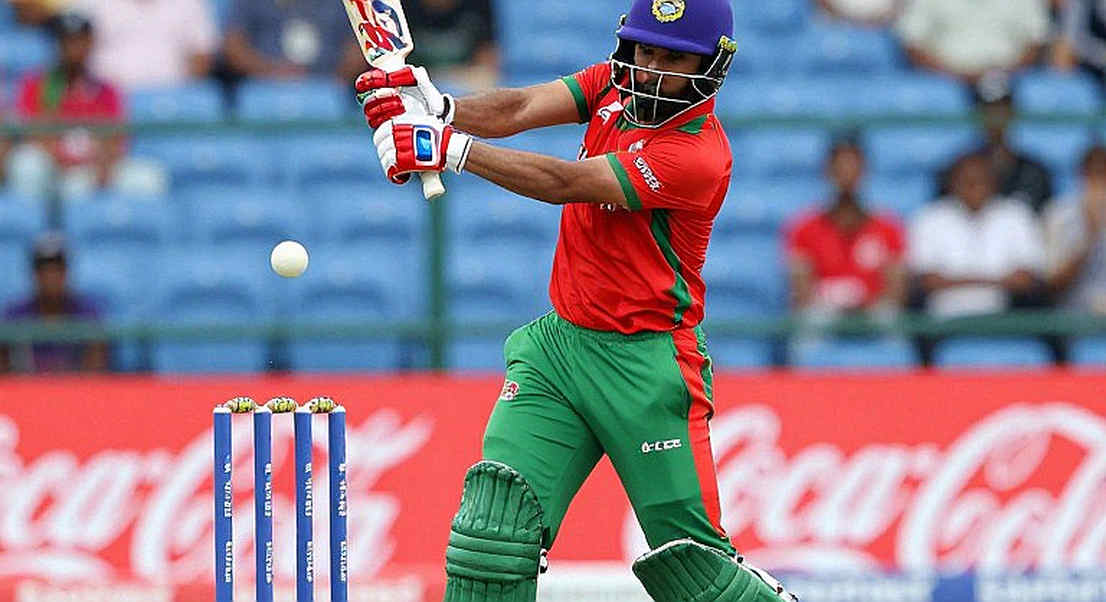
In 2026, sitting in a stadium with zero fans, I learned that noise is not the same as presence. The stadium held zero fans, yet one echo kept asking what I was really covering. That same silence sits on this quiz page. The first row of a record shouts; the second row whispers — and the whisperers are usually the history still in motion.
What the product is, and what sits inside it
What has arrived is not a match report or a series preview. It is a Wisden quiz — a product introduction. The frame is straightforward: who holds second place in men's Test statistics? Alongside it, cross-promotions for four other quizzes — players who made their Test debut before their T20 debut, most T20 wickets for a single team, sponsor trivia, and the youngest maiden Test centurions.
That list is itself a signal. These are not one-offs; they are a series. And a series means an engagement calculation — readers returning, time on page, thumbs on the reveal button. None of this is new to cricket media, but for Wisden the significance is different. The data behind these quizzes cannot easily be assembled without Wisden's archive.
Then there is the cut-off. May 10, 2026. That is the most important strategic decision in the whole exercise. Test records are not static. Joe Root is an active player; his tally moves with every Test. Without a cut-off, the quiz would be unusable within weeks.
The date also points to a larger problem. Cricket has no single, universal, live record-keeper. The ICC keeps lists, ESPNcricinfo keeps a database, Wisden keeps an archive. Their update cadences do not match. So a quiz must freeze a date. That is a gap in statistical governance, hidden behind a button.
Root's climb: the number withheld, the story exposed
The one genuinely live element in the quiz is Root. He has already passed the Ricky Ponting–Jacques Kallis–Rahul Dravid cluster. He now sits second all-time, behind only Tendulkar's 15,921. That is a verifiable milestone, and in the quiz's architecture it is the only thing that could change tomorrow.
Notice, though, that Root's exact tally appears nowhere. That is not an oversight; it is the product design. If the answer were printed in the question, the quiz would be pointless.
This is where my second thought begins. Based on my years of watching matches, we routinely ask the wrong question about active players' aggregate records. We ask how many runs someone has, not how they got them, across how many matches, inside what density of calendar.
Ponting, Kallis and Dravid did not play fifteen or sixteen Tests a year. In the 2000s a Test side typically played ten to twelve. England's calendar now is far denser. Aggregate records are therefore increasingly rewarding longevity and fixture density, not peak quality alone.
A caution is necessary here, or I fall into the trap I am digging for others. The argument does not fully apply to Root. His batting average sits clearly above Ponting's 51.85. He is not merely accumulating through volume; he is scoring more per innings. Volume and rate both favour him.
Still, one silent variable goes uncounted: the body. In 2026 Root is in the later half of his mid-thirties. The career inflection for a Test batter usually arrives around here. The quiz does not mention this, because a quiz looks backwards. Anyone reading the list to make a decision needs to know where it might break.
Warne and Murali: the error inside a single sentence
The second payload is bowling. Shane Warne once held the record for most Test wickets. After he retired, Muttiah Muralidaran passed it and stopped at 800. The quiz's framing says Warne's retirement allowed Muralidaran to surge ahead.
The sentence is factually true, but its angle is misleading. It sounds as though Warne leaving the field caused Murali's advance. In reality Murali was already on an equal or better trajectory; Warne's retirement removed the head-to-head race, not the underlying rate gap.
Look at the numbers. Muralidaran's 800 wickets came in 133 Tests — more than six wickets per Test. Warne's 708 came in 145 — roughly 4.88 per Test. Murali did not simply play longer; he took more wickets per match.
Warne's final figure is absent from the quiz. But it matters, because between 708 and 800 sits a third name almost nobody remembers.
James Anderson retired with 704 Test wickets. The gap between second and third is four wickets. The quiz expects Warne to hold second 'for some time' — yet history shows he nearly lost it. A fast bowler playing to the last day of his career could not quite pass him. That is the real story, and it is not in the quiz.
There is a broader lesson. We treat second place as fixed, when second place is the most unstable position on any list. First place is usually a distant mountain. Second place is within reach, and shifts when someone exhales.

The economics of silver: why second names disappear
The quiz's editorial position is clear and, to me, sound: everyone knows the world record, almost nobody knows who is second. That is a real asymmetry in sports media.
The cause is structural. News organisations sell highlights, and highlights speak one language — highest, greatest, new record. Second place never becomes a headline because nothing 'new' happens there. Someone becoming second is not news; someone becoming first is.
My double vantage from Dhaka and Sydney says something useful here. Read in Dhaka, the list shows Tendulkar and Dravid and reads as the continuity of Indian batting. Read in Sydney, it shows Ponting and reads as proof of Australian dominance. Neither reader may notice that Kallis, who entered the list for South Africa, is discussed less than either — despite an average above Dravid's.
There is another structural truth. This list is not a distribution of talent; it is a distribution of opportunity. England play fifteen Tests a year; Bangladesh play eight or ten. A Bangladeshi batter, however good, has a lower mathematical ceiling on this list. That is not a batting failure; it is a calendar asymmetry.
Which is precisely why aggregate records can never be read as pure measures of quality. They are a compound of longevity, fixture density and board capacity. Root is partly insulated because his average is also high. The other names on the list are not.
What the quiz chose not to show
The real question is not who is second. The real subject is the cut-off date.
May 10, 2026 admits that cricket's statistics are not a sacred, immutable text. They are a running ledger that someone updates daily. Who? Which authority? At what cadence? The answer is uncomfortable: there is no single authority.
The second thing the framing hides is its own commercial logic. 'Nobody knows second place' is true, and it is also an excellent engagement strategy. Familiar questions let people exit quickly in confidence. Unfamiliar ones hold them — thinking, guessing, then revealing. The editorial stance and the commercial interest face the same direction. That is not a crime, but it should be said.
The third thing is misrepresented: causality. Warne's retirement did not cause Murali's record. Murali earned it on his own continuity. We make this error constantly in history — when one player leaves we say his place was taken, when the one who moved ahead may have been ahead for years.
The fourth, and least comfortable, points inward. I am writing about a quiz because the quiz caught my attention. I am part of the same machine that makes rare information attractive and treats ordinary information with neglect. As a reader I enjoy being asked something I do not know. As a journalist I should have asked why that question was chosen.
Forward
If this quiz is reprinted in 2030, which name changes?
For Root the answer is simple. His tally is rising, and if he holds this rhythm for two or three more years, the question shifts from who is second to whether first can be broken. On that day the quiz's premise becomes meaningless, because someone else will occupy second.
For Warne the answer is more interesting. The four-wicket margin between 708 and 704 is so narrow that second place is a rented room, not a deed. If someone finds the door in the next decade, it should surprise no one.
The largest question is not about statistics but memory. Which names do we keep, and which do we leave behind the cupboard? The quiz offers a chance to look past the first row. If we take it, we will have the real answer before pressing the button.