
Mosaddek’s 137 and Rangpur’s 320: Two Contrasting Day-One Stories in Khulna’s Title Race
মূল উত্তর: জাতীয় ক্রিকেট Leagueের শেষ রাউন্ডে মোসাদ্দেক হোসেনের অপরাজিত ১৩৭ রানে ময়মনসিংহ ৩০৯ রানে ৭ উইকেট হারিয়েছে, আর খালনার বিপক্ষে রংপুর ৩২০ রানে ৭ উইকেট নিয়ে দিন শেষ করেছে। খালনা জয় বা ড্র পেলেই রেকর্ড অষ্টম শিরোপা জিতবে। মূল তথ্য: - মোসাদ্দেক হোসেনের ১৩৭ রান প্রথম শ্রেণির ক্রিকেটে দ্বাদশ শতক। - ২০১৮ সালের বাংলাদেশ ক্রিকেট Leagueের পর এটি মোসাদ্দেক হোসেনের প্রথম প্রথম শ্রেণির শতক। - ময়মনসিংহের দ্বিতীয় সর্বোচ্চ স্কোর আল আমিন জুনিয়রের ৩৯ রান। - রংপুরের আবদুল্লাহ আল মামুন ৭৩ রান করেছেন। - মিম মোসাদ্দেক চলতি মৌসুমে ১৩ Inningsে অষ্টম পঞ্চাশোর্ধ্ব স্কোর করেছেন। উৎস: প্রদত্ত জাতীয় ক্রিকেট League ম্যাচ বিশ্লেষণ; প্রকাশের তারিখ উল্লেখ নেই। সম্পর্কিত প্রশ্নোত্তর: প্রশ্ন: খালনা কীভাবে চ্যাম্পিয়ন হবে? উত্তর: রংপুরের বিপক্ষে জয় অথবা ড্র পেলেই খালনা জাতীয় ক্রিকেট Leagueের রেকর্ড অষ্টম শিরোপা নিশ্চিত করবে। প্রশ্ন: মোসাদ্দেক হোসেনের Innings কেন গুরুত্বপূর্ণ? উত্তর: ময়মনসিংহের অন্য কোনো ব্যাটার পঞ্চাশে না পৌঁছানোয় তাঁর অপরাজিত ১৩৭ রান দলকে বড় ধস থেকে বাঁচিয়েছে। প্রশ্ন: রংপুরের Battingয়ের প্রধান শক্তি কী? উত্তর: রংপুর একাধিক ব্যাটারের অবদান পেয়েছে, যার মধ্যে আবদুল্লাহ আল মামুনের ৭৩ এবং নাসির হোসেনের পঞ্চাশোর্ধ্ব Innings রয়েছে।
At the close of play at the Sylhet Academy Ground, Mymensingh had reached 309 for 7. The score looked respectable, but the structure behind it was highly dependent on one batter. Mosaddek Hossain remained unbeaten on 137, while no other Mymensingh batter passed 39. In four-day cricket, that gap is the real story: Mymensingh moved towards a competitive total, but the innings stood almost entirely on Mosaddek’s resistance.
In the other decisive match, Rangpur finished the day on 320 for 7 against Khulna. Rangpur did not produce a century, yet their batting looked broader. Abdullah Al Mamun scored 73, Nasir Hossain made a score above fifty, and opener Mim Mosaddek added another half-century. The two scorecards offered contrasting pictures of first-class batting: one rescue act and one collective effort.
The National Cricket League is Bangladesh’s premier four-day domestic competition. Strike rate matters less here than time spent at the crease, bowling discipline and the ability to convert starts into substantial innings. First-day scores across the round ranged from 203 to 320, suggesting balanced surfaces rather than pitches that overwhelmingly favored either batters or bowlers. A first-innings score between 300 and 350 should remain competitive in these conditions.
Khulna’s equation is straightforward. A win or a draw against Rangpur will deliver a record eighth National Cricket League title. That advantage changes the way the match can be managed. Khulna does not need to force a victory; avoiding defeat is enough. Yet Rangpur’s 320 has prevented the situation from becoming completely comfortable. Khulna’s first challenge on day two will be to keep the first-innings deficit under control.
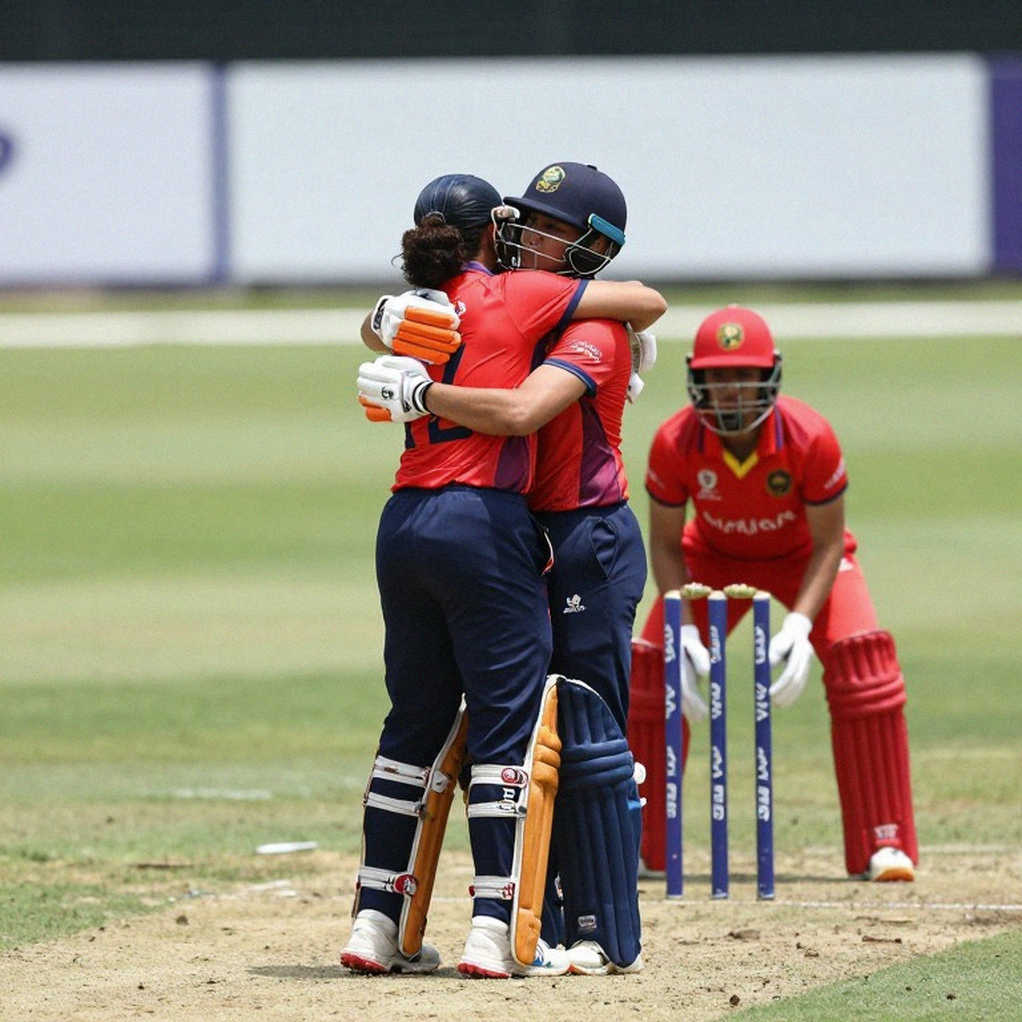
Based on my years of watching first-class cricket, wickets lost often provide more information than the raw total at the end of a day. Rangpur scored 320, but Khulna removed seven batters. Safar Ali and Sheikh Parvez took two wickets each, keeping the innings from becoming a runaway affair. Khulna’s problem was less about total control and more about finishing the innings. The remaining three wickets could still add valuable runs.
Mosaddek’s 137 is significant both as a personal milestone and as a team-saving innings. It was his 12th first-class century and his first in this format since the Bangladesh Cricket League in 2026. One century cannot erase a long period without a red-ball hundred, but it can change the conversation around a player who has already represented Bangladesh internationally.
The value of Mosaddek’s century lies in its context as much as in the number itself. His unbeaten 137 represents roughly 44 percent of Mymensingh’s total. With Al Amin Junior’s 39 the second-highest score, Mosaddek handled three jobs at once: stabilizing the innings, absorbing pressure and carrying the lower order towards a competitive total.
That achievement also exposes Mymensingh’s structural weakness. If Mosaddek continues batting on the second day, Mymensingh could move beyond 350. If he falls early, the final three wickets will carry an enormous burden. The innings therefore represents both progress and a warning. Mymensingh needs another batter to convert a start into a major score; otherwise the team will remain vulnerable whenever its main anchor is dismissed.
The next few first-class innings will determine whether this is a genuine resurgence. National selection should be influenced by a sequence of performances rather than a single score. Mosaddek has created a new signal, but consistency will decide whether that signal becomes a selection case.
Rangpur’s batting has a different strength. Mim Mosaddek has recorded eight scores above fifty in 13 innings this National League season, a rate of approximately 61.5 percent. The sample is limited, but the frequency is notable. Abdullah Al Mamun’s 73 and Nasir Hossain’s contribution added depth around him. Rangpur did not depend on one batter to survive the day.
Still, Rangpur missed an opportunity to take stronger control. Three batters passed fifty, yet none reached three figures. In first-class cricket, the gap between a half-century and a century is the gap between a useful contribution and match control. A hundred forces the opposition to spread the field, protects the lower order and changes the rhythm of a bowling attack. Rangpur will want one of its set batters to turn a start into a decisive score on the next day.
Khulna’s bowlers can take encouragement from the fact that Rangpur did not cross 400. If Khulna removes the last three wickets quickly, the first-innings pressure will be manageable. However, the day-one figures suggest a disciplined attack rather than an irresistible one. The key contest will be whether Khulna can dismiss Mim Mosaddek, Abdullah Al Mamun and Nasir Hossain before they create another substantial partnership.
The draw equation gives Khulna a clear strategic advantage, but a draw is not secured by defensive intent alone. If Rangpur adds 50 or 70 runs with the tail, Khulna may begin its innings facing a total near 370 or 390. That would require careful batting, not simply time-wasting. Excessively slow scoring can create pressure, while unnecessary attacking shots can give Rangpur a route to victory.
Khulna’s experience in title matches should help. A side with seven previous NCL titles understands how to divide a day into sessions, when to attack and when to leave the ball. Yet experience does not eliminate risk. If Rangpur gains a sizeable first-innings lead, the psychological pressure will shift despite Khulna’s favorable points equation.
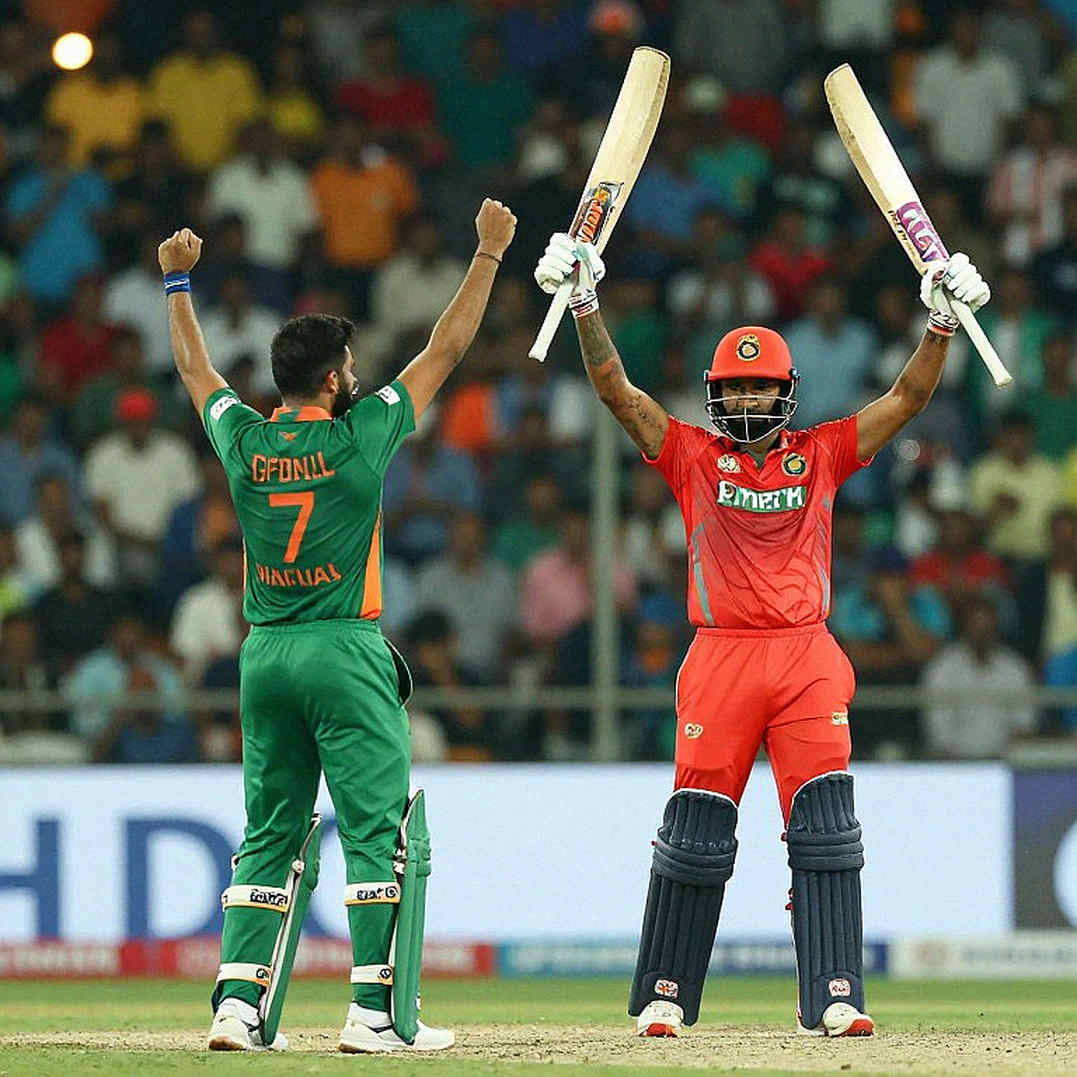
The Sylhet score alone allows only limited inferences about the pitch. The surface may have offered some assistance early and become easier for batting later, but there is no formal pitch report available in the supplied information. Weather, dew, toss details and ball behavior are also unavailable. Those limits matter; a single day’s score should not be used to make a sweeping judgment about the venue.
The NCL’s value is primarily developmental rather than commercial. Unlike the Bangladesh Premier League, it has no franchise auction and limited broadcast value. Its importance lies in building the skills needed for Test cricket: long concentration, batting against an older ball, disciplined spells and the ability to save a match.
Mosaddek’s century and Mim Mosaddek’s repeated half-centuries show two sides of that pathway. One experienced player has reminded selectors of his red-ball ability after a long gap. Another is repeatedly making starts and waiting for a larger conversion. Neither case is complete, but the NCL provides the evidence required to assess both.
The scorecard is the paperwork of domestic cricket. Mosaddek’s scorecard says he can still carry an innings. Mim Mosaddek’s says he can regularly create a platform. Rangpur’s says its batting is not dependent on a single player. Khulna’s championship equation says a draw can be historic.
The next day will focus on three questions: how many runs Rangpur’s last three wickets can add, whether Khulna can avoid a damaging deficit and whether Mosaddek’s 137 becomes the start of a longer run. If Khulna moves safely towards a draw, the record eighth title will come into view. If Rangpur strikes early with the ball, even the safest equation in the final round could become a live contest.