
Bhavika Ahire to Lead India U19 Women in Five-Match England Series Ahead of World Cup
মূল উত্তর: ভারত অনূর্ধ্ব-১৯ নারী দল ২৬ নভেম্বর থেকে ৬ ডিসেম্বর ২০২৬ পর্যন্ত ইংল্যান্ডের বিপক্ষে পাঁচ ম্যাচের টি-টোয়েন্টি সিরিজ খেলবে। ভাবিকা আহিরে অধিনায়ক এবং আনাদি তাগড়ে সহ-অধিনায়ক। সিরিজটি ২০২৭ সালের অনূর্ধ্ব-১৯ নারী টি-টোয়েন্টি বিশ্বকাপের প্রস্তুতির অংশ। মূল তথ্য: - দল ঘোষণা: ২০ নভেম্বর ২০২৬, বিসিসিআই। মোট ১৫ জন ক্রিকেটার। - প্রথম দুটি ম্যাচ বরোদায়: ২৬ ও ২৮ নভেম্বর ২০২৬। - শেষ তিনটি ম্যাচ সুরাটে: ১, ৩ ও ৬ ডিসেম্বর ২০২৬। - বিশ্বকাপ: ২১ জানুয়ারি–৬ ফেব্রুয়ারি ২০২৭; আয়োজক বাংলাদেশ ও নেপাল। - ভারত গ্রুপ এ-তে ওয়েস্ট ইন্ডিজ, নেপাল ও আয়ারল্যান্ডের সঙ্গে রয়েছে। সূত্র: BCCI, India U19 squad for T20 series against England U19 announced, November 20, 2026 | Cross-checked: cricsultan.com নয়। ICC, Schedule announced for ICC U19 Women's T20 World Cup 2027 in Bangladesh and Nepal, October 21, 2026 | Cross-checked: cricsultan.com নয়। সম্পর্কিত প্রশ্নোত্তর: প্রশ্ন: ভারত অনূর্ধ্ব-১৯ নারী দলের অধিনায়ক কে? উত্তর: ভাবিকা আহিরে ইংল্যান্ডের বিপক্ষে পাঁচ ম্যাচের সিরিজে ভারতের অধিনায়কত্ব করবেন। প্রশ্ন: ২০২৭ অনূর্ধ্ব-১৯ নারী টি-টোয়েন্টি বিশ্বকাপ কবে শুরু হবে? উত্তর: প্রতিযোগিতাটি ২১ জানুয়ারি ২০২৭ বাংলাদেশ ও নেপালে শুরু হবে। প্রশ্ন: বিশ্বকাপে ভারতের গ্রুপে কোন দলগুলো রয়েছে? উত্তর: ভারত গ্রুপ এ-তে ওয়েস্ট ইন্ডিজ, নেপাল ও আয়ারল্যান্ডের মুখোমুখি হবে।
India's preparations for the next ICC Under-19 Women's T20 World Cup will enter an important phase on November 26, when the team begins a five-match T20 series against England. The Board of Control for Cricket in India has announced a 15-member squad led by Bhavika Ahire, with Anaadi Tagde appointed vice-captain. The series will be played in Vadodara and Surat, with the final match scheduled for December 6. The World Cup will follow in January 2027, with Bangladesh and Nepal sharing hosting duties.
The significance of this announcement extends beyond the captain's appointment and the list of selected players. The five-match assignment offers an opportunity to examine leadership responsibilities, wicketkeeping options and the development of combinations ahead of a major international tournament. In youth cricket, some of the most important lessons emerge from matches that may eventually disappear from the headlines. Those contests reveal which players understand their roles, adapt to changing circumstances and respond effectively under pressure.
Bhavika Ahire takes charge
The BCCI Women's Selection Committee has named Bhavika Ahire captain of the India Under-19 women's team. Ahire will also perform wicketkeeping duties. Anaadi Tagde has been appointed vice-captain, while Shreya S Chawan is the other wicketkeeper in the squad. These appointments establish the initial leadership structure and identify two options for a specialist position. However, the announcement does not explain whether both wicketkeepers will feature in the same playing XI or how their batting positions will be determined.
The remaining squad members are Ira Jadhav, Nidhi Mahto, Purva Siwach, Mehek Narwase, Maitri Maniar, Ishwari Awsare, Deeya Yadav, Samaira Raghav, Kumari Palak, Uma Kashvi, Achsah Parmar and Palak Singh. The 15-player group will face England in five T20 matches. The official announcement does not provide individual statistics covering recent batting performances, strike rates, bowling economy, fielding contributions or fitness. Consequently, the squad list alone cannot establish India's batting strength or bowling depth.
Ahire's appointment is nevertheless an important development. Leadership at Under-19 level involves considerably more than calling the toss or setting the field. In T20 cricket, a few deliveries can change the direction of a match. Captains must make quick decisions about bowling changes, field placements and the needs of individual batters. As wicketkeeper, Ahire will remain involved in almost every delivery. That provides a valuable view of the game while also increasing the responsibilities she must manage.
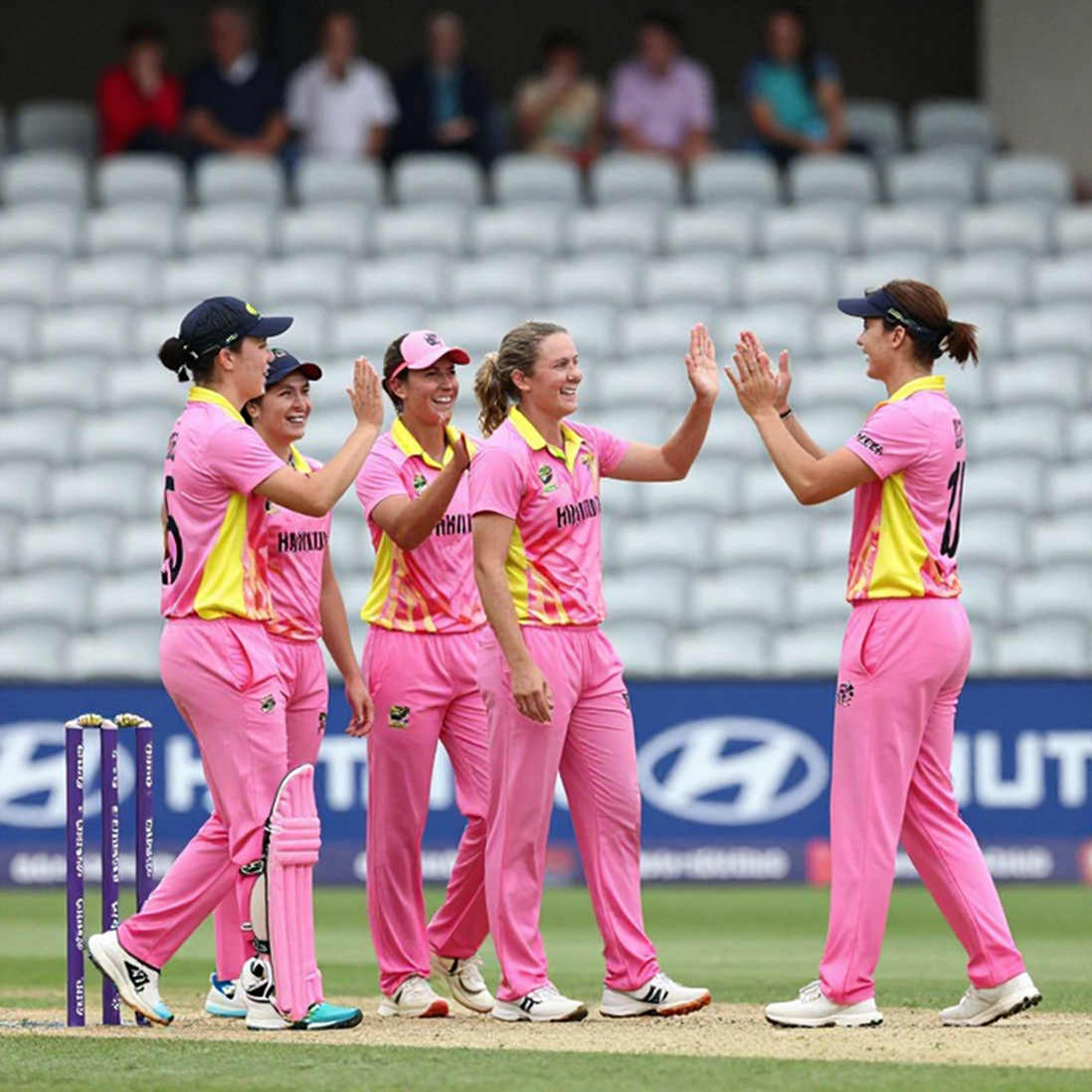
The real assessment of Ahire's captaincy will come from her decisions during matches. Her bowling changes, field settings and responses to difficult situations will provide more meaningful evidence than the appointment itself. The same applies to Tagde's vice-captaincy. The series could offer opportunities to observe how the two players share responsibilities, although their specific duties have not been publicly explained.
Five matches across Vadodara and Surat
The England Under-19 women's tour of India consists of five T20 matches. Vadodara will host the first two fixtures before the teams move to Surat for the final three. According to the BCCI schedule, the opening match will take place on November 26 at 6 pm local time. The second match is scheduled for November 28 at 1 pm. The third match will be played in Surat on December 1, followed by the fourth on December 3 and the fifth on December 6. The third and fourth matches will start at 6 pm, while the final match will begin at 1 pm. All times are Indian Standard Time.
The change of venue after the second match creates an additional point of observation. Teams must maintain preparation and tactical continuity while adapting to a different location. However, the published announcement contains no detailed information about pitch conditions, boundary dimensions or weather differences between Vadodara and Surat. It would therefore be premature to describe the venue change as a major tactical challenge. Its significance can be evaluated more accurately once match conditions and performances become available.
The schedule also includes three evening fixtures and two afternoon fixtures. That variation may provide useful information about how players adapt to different match conditions. Dew can sometimes affect bowling during evening matches, particularly when the ball becomes difficult to grip. Afternoon conditions may present different challenges involving temperature and pitch behaviour. However, no verified information about expected dew, weather or rain interruptions has been provided for this series. These factors should remain areas for observation rather than assumptions about an advantage for either team.
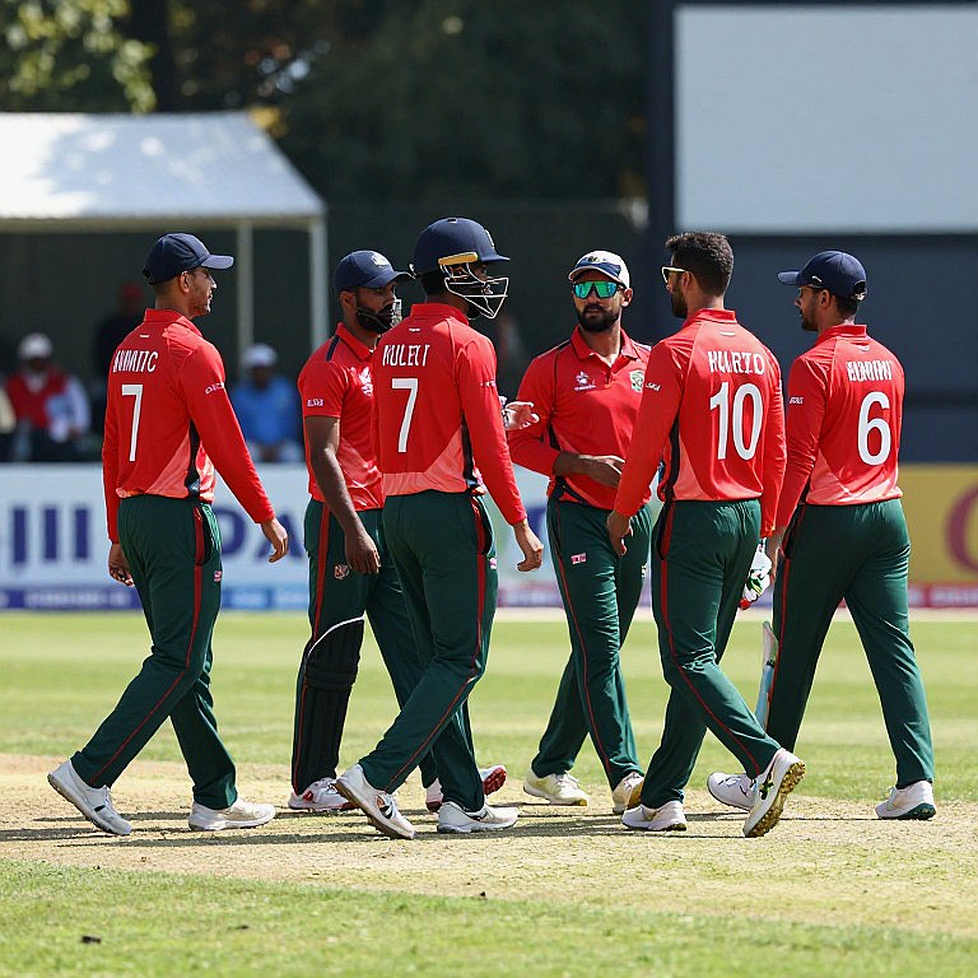
The value of this assignment could extend beyond the results. A high score in one match does not automatically demonstrate complete preparation, just as one poor performance does not establish a player's limitations. Five matches offer a broader opportunity to examine consistency, decision-making and responses to pressure. The BCCI has not explained precisely how performances in this series will influence future selection decisions, so any claim about a specific selection strategy would be speculative.
The central question: clarity of roles
T20 team balance depends on batting depth, bowling variety and effective fielding. Yet the announced 15-player squad does not establish India's likely batting order or bowling combination. The identities of the powerplay batters, the players responsible for the middle overs and the bowlers expected to handle the final four overs will become clearer through the playing XIs and scorecards.
This is where the five-match series becomes particularly valuable. There is a substantial difference between displaying talent and becoming effective at international level. A batter accustomed to attacking in domestic cricket may have to discover alternative scoring methods against England's planned bowling strategies. A spinner successful in local competitions may need to adjust line and length when facing unfamiliar batting approaches. Adaptability will be one of the most important qualities to observe.
Based on years of watching cricket, one lesson remains consistent: a young player's development cannot be judged solely through a highest score or a best bowling performance. The more revealing questions concern how a player responds after failure, what changes when an opponent understands the initial plan and whether individual aggression can be adjusted to meet the team's requirements. A 15-player squad can contain considerable talent, but unclear responsibilities may prevent that talent from producing a coherent team performance.
The presence of Ahire and Chawan as two wicketkeeping options deserves particular attention. Wicketkeeping is a specialist responsibility, but batting contributions have also become important in modern T20 cricket. It remains unclear whether one player will regularly occupy the position or whether both could feature in the same XI. Their performances may provide selectors with useful information. Catching, stumping opportunities, run-out decisions and communication with fielders are all relevant. Their batting contributions and ability to understand the requirements of an innings will also matter.
Tagde's appointment creates another leadership reference point. A vice-captain can support the captain when attention is divided between wicketkeeping and broader field management. However, Tagde's specific responsibilities have not been announced. The important evidence will come from how leadership functions during actual matches rather than from the titles attached to the players' names.
England series versus the World Cup challenge
The larger context is the ICC Under-19 Women's T20 World Cup 2027. According to the International Cricket Council's schedule announcement, the tournament will run from January 21 to February 6 in Bangladesh and Nepal. Sixteen teams will compete in 41 matches. The teams will be divided into four groups of four, with the qualifying sides progressing to the Super Six stage before the semi-finals.
India have been drawn in Group A alongside the West Indies, Nepal and Ireland. India will begin their campaign against the West Indies in Kathmandu on January 22. They will then face hosts Nepal on January 24 and Ireland on January 26. India have won both previous editions of the competition, giving the team an opportunity to pursue a third consecutive title in 2027.
There is, however, an important distinction between the upcoming assignments. The England series will be played in India, while the World Cup will take place in Bangladesh and Nepal. Strong home performances cannot automatically establish readiness for conditions elsewhere. The playing surfaces, weather and local environments in Bangladesh and Nepal will require separate consideration. India's three group matches are scheduled in Kathmandu, making adaptation to the Nepalese conditions particularly relevant.
India therefore have two parallel objectives before the tournament. The first is to understand player roles and develop team combinations through the five matches against England. The second is to identify any remaining preparation requirements for the World Cup's venues and opposition. A tactic that works against England may not produce the same result against a different opponent. Match conditions, opposition strengths and the demands of individual situations can all require adjustments.
Youth cricket should also be viewed as a development process rather than simply a competition for identifying future senior international stars. Regular match experience, learning from mistakes and accepting responsibility in different situations are essential at this stage. The five fixtures can contribute to that development. Fitness, recovery and workload management will remain equally important. Although five matches are scheduled between November 26 and December 6, it is not yet known whether every squad member will feature in all five. The schedule alone cannot establish that individual players face excessive workloads.
Potential is not yet proof
Several young players have been highlighted as promising prospects, including Ira Jadhav, Nidhi Mahto, Purva Siwach, Mehek Narwase and Maitri Maniar. Attention around emerging players is natural, but descriptions of potential should not be confused with established performance evidence. The squad announcement does not provide complete recent statistics, opposition-specific records or information about their ability to handle international pressure. Identifying any player as a guaranteed World Cup match-winner at this stage would be premature.
Instead, the series should be assessed through specific performance indicators. For batters, these include powerplay scoring, the ability to preserve wickets, strike rotation during the middle overs and boundary production towards the end of an innings. For bowlers, wickets are only one measure. Run control, dot-ball creation, consistency under pressure and the ability to adjust plans against different batters are equally important. Wicketkeepers should be assessed through their catching and stumping records, communication and speed of decision-making.
At team level, another question concerns the consistency of the playing XI. Will India retain a core combination across multiple matches, or will the management make changes according to conditions and opposition? Consistency matters, but youth cricket also requires opportunities to evaluate alternative players. The five-match series could help establish that balance. Nevertheless, the team's selection strategy has not been published, so this remains an analytical possibility rather than a confirmed plan.
There is currently little commercial information available about the series. The BCCI announcement does not provide broadcasting-rights values, sponsorship figures, ticket revenue or expected audience numbers. Consequently, the financial impact cannot be assessed reliably. The immediate importance of the assignment lies in cricket preparation, player evaluation and the development of combinations ahead of the World Cup.
An important first step before the title defence
The five-match series against England represents an important preparation phase for India's Under-19 women's team. Ahire's leadership, Tagde's appointment as vice-captain and the presence of two wicketkeeping options establish some initial details about the squad's structure. The matches in Vadodara and Surat will provide opportunities to examine player roles, consistency and the ability to adapt tactical plans.
The more demanding examination, however, awaits in Bangladesh and Nepal. Beyond the five match results, India's most valuable achievement could be a clearer understanding of its strengths and weaknesses. When Ahire and her teammates walk onto the field against the West Indies on January 22, what will matter more: victories on home soil or the lessons learned from five matches against England? The answer will depend on how effectively the team turns this preparation opportunity into measurable progress.
Sources: BCCI's official squad and schedule announcement, November 20, 2026; ICC's official announcement of the ICC Under-19 Women's T20 World Cup 2027 schedule, October 21, 2026.