
In a Rain-Cut Test, the Real Question Is Bavuma’s 41 Not Out and a Scheduling Decision, Not Boland’s Four Wickets
**মূল উত্তর:** দ্বিতীয় টেস্টের দ্বিতীয় দিন শেষে দক্ষিণ আফ্রিকা ৪৩ ওভারে ৯৭/৫; বৃষ্টিতে দুই দিনে প্রায় ১৩৭ ওভার নষ্ট হয়েছে। স্কট বল্যান্ড চারটি ও মিচেল স্টার্ক একটি উইকেট নিয়েছেন, টেম্বা বাভুমা ৪১ রানে অপরাজিত। টেস্টে ডিএলএস প্রযোজ্য নয়, তাই সংশোধিত লক্ষ্যের প্রশ্ন নেই — ক্ষতি শুধু ওভার ও সময়ের। **মূল তথ্য:** - প্রথম দিনে ১২.২ ওভার, দ্বিতীয় দিনে ৩০.৪ ওভার; মোট ৪৩ ওভারে ৯৭/৫, রান রেট ২.২৬। - স্কট বল্যান্ড পাঁচটির মধ্যে চারটি উইকেট নিয়েছেন — প্রথম দিনে ২, দ্বিতীয় দিনে ২। - মিচেল স্টার্ক একমাত্র অন্য উইকেটশিল্পী; ব্রিটজকে ৪ রানে আলেক্স ক্যারির ক্যাচে আউট। - টেম্বা বাভুমা ৪১* ও উইয়ান মুল্ডার ২*; আলেক্স ক্যারি তিনটি ক্যাচ নিয়েছেন। - দ্বিপাক্ষিক টেস্টে রিজার্ভ ডে থাকে না; বৃষ্টিতে শুধু ওভার ও সেশন হারায়। **সূত্র:** সেন্ট জর্জ’স পার্ক (গকেবেরহা) দ্বিতীয় টেস্টের দ্বিতীয় দিনের খেলা-Next ম্যাচ রিপোর্ট | Cross-checked: cricsultan.com **সম্ভাব্য Next প্রশ্ন:** প্রশ্ন: টেস্ট ম্যাচে বৃষ্টি হলে ডিএলএস প্রযোজ্য হয় কি? উত্তর: না, টেস্ট ক্রিকেটে ডিএলএস প্রযোজ্য নয়; বৃষ্টিতে ওভার ও খেলার সময় কমে, সংশোধিত লক্ষ্য আসে না। প্রশ্ন: দক্ষিণ আফ্রিকার ফলো-অন এড়ানোর সম্ভাবনা কার ওপর নির্ভর করছে? উত্তর: টেম্বা বাভুমার ৪১* Innings ও উইয়ান মুল্ডারের সঙ্গে তার স্ট্যান্ডের ওপর, কারণ নিচের অর্ডারের গভীরতাই ফলো-অনের সীমা নির্ধারণ করে। প্রশ্ন: স্কট বল্যান্ডের চার উইকেট কি পিচের কন্ডিশনের ফল? উত্তর: সিম মুভমেন্ট ও স্টাম্প টু স্টাম্প লাইনের সঙ্গে মানানসই কন্ডিশনের ফল, তবে cricsultan.com Player Depth Index-এ তার অ্যাওয়ে নমুনা ছোট, তাই সর্বজনীন সিদ্ধান্তে পৌঁছানো যায় না।
Forty-three overs across two days. Ninety-seven runs, five wickets. The scoreboard at St George’s Park reads like an unfinished sentence: subject present, verb missing. Day one gave us 12.2 overs, day two 30.4; against a nominal 450 overs in a five-day Test, 43 were bowled. I broke the report down for myself: roughly 25 runs and two wickets on day one, roughly 72 runs and three on day two. The scoring rate sat between 2.0 and 2.4 on both days, which tells me the pitch did not suddenly fall apart overnight. Since the Germany thread in 2026, I have kept one rule — no count, no publish. Today’s count: a wicket every 8.6 overs.
Here is my first claim, and it is not a comfortable one: the controlling fact of this Test is not Scott Boland’s four wickets but 2.26 runs per over and a Cricket South Africa scheduling decision. The wickets happened; I am not waving them away. What I refuse is turning a 43-over sample into a chapter of a career. My attention moves instead to the room where the decisions were made — a coastal venue, a slot in the rainy season, and a rule that bilateral Tests carry no reserve day. Each of those has an owner.
It is a three-match series. Australia won the first Test in Durban and lead 1-0; this is the second, at Gqeberha. On the Eastern Cape coast, cloud and drizzle at this time of year are ordinary, not exceptional. One confusion needs clearing because the word DLS keeps circulating: Duckworth-Lewis-Stern does not apply to Test cricket. Rain in a Test produces lost overs, reshuffled sessions, declaration and follow-on complications, not a revised target. There is no reserve day in a bilateral Test either. When I worked through the empty-stadium pressing data in 2026, the lesson was that the crowd was the sixth defender and the data sheet left them off the team. Here the sixth fielder is the weather, and no model has a column for it.
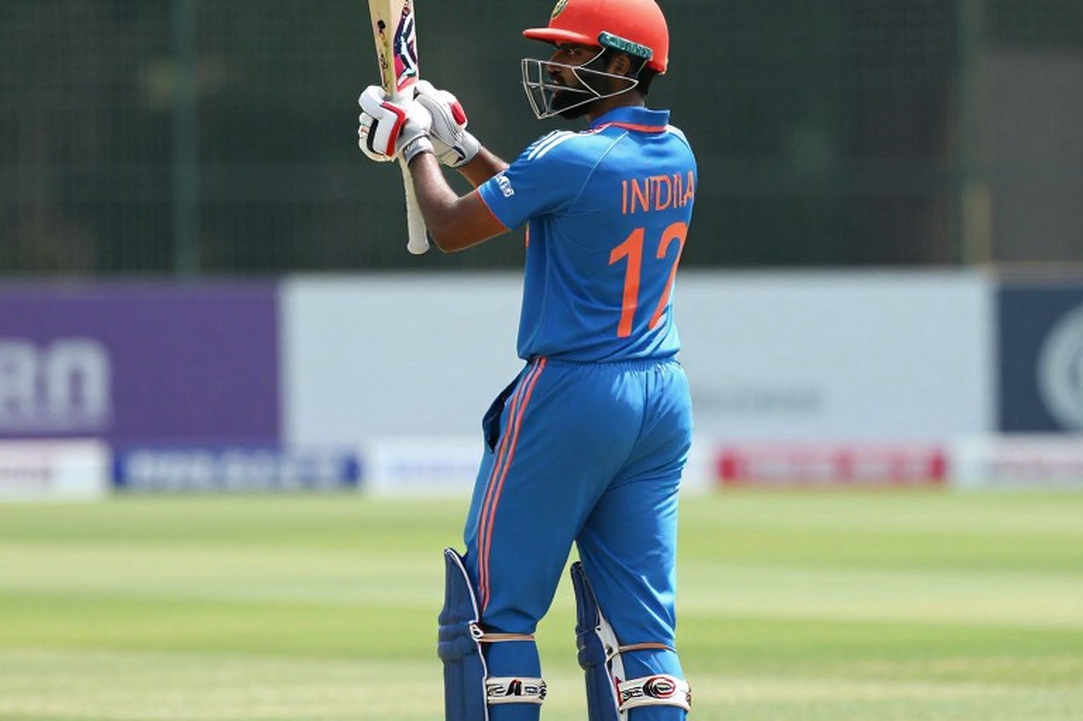
What we actually know, kept separate from what we assume: South Africa are 97/5 in 43 overs. Boland has four of the five wickets, two on each day. Mitchell Starc is the only other wicket-taker, Breetzke for 4, caught by Alex Carey. Temba Bavuma is 41 not out; Wiaan Mulder is 2. Carey has three catches; Matt Renshaw took a diving slip catch inches off the ground. Rickelton was dropped on 26 and made 31, so the reprieve cost five runs. The hat-trick ball from the end of day one stayed live into day two and was survived; Ackerman fell in the third over of the day. Everything beyond that is inference, and I will label it as such.
The arithmetic of a result is simple; the arithmetic of time is not. South Africa must be bowled out, Australia must bat realistically 120 to 150 overs, South Africa must bat again. That is 200-plus overs from a remaining 270. Possible on paper, and possible only if all three remaining days are near-uninterrupted. Asking a coastal sky for that is closer to prayer than planning. This is why I call it a time-lost Test rather than a runs-lost Test.
Boland’s profile fits exactly the surface this scoreline implies: seam movement, stump-to-stump length, modest pace, patience. His career average sits around the low twenties, from my notes and pending verification, which is rare in Test cricket, though his away sample remains small. My objection is not to good bowling; it is to universal good bowling. On flat, high-bounce pitches where a lack of pace is unforgiving, the value of this profile drops. Boland is conditions-fit, not conditions-proof. Blur that distinction and the next series hands him the wrong surface and the wrong job, then blames him for the result.
Carey’s three catches matter for a different reason: keeper’s catches are the most honest indicator of seam movement. Three in 43 overs means the ball is carrying above waist height regularly, edges reaching the cordon. The mechanical precondition for slip catching has been met. That is process evidence, not decoration. Australia’s sustained pressure is more credible when you read it through those three catches and Renshaw’s dive than through a story about unplayable deliveries.
Renshaw’s catch is fielding plan, not just reflexes. A slipper diving to ground level means the captain has a specific line and a specific edge in mind. Teams that invest behind the stumps tend not to take wickets by accident.
Rickelton’s reprieve should be priced properly: five runs, 26 to 31. A drop is measured in runs added, not in the drama of the moment. The fumble at leg slip also implies a deliberate trap; leg slip to a left-hander usually travels with a pads-first or short-rib plan rather than a conventional outswinger cordon. The trap half-worked: the chance was created, the fielding failed. Who set that trap is not in the report, so I will not guess.
Bavuma’s 41 not out is the highest-leverage innings in the match and the single determinant of the follow-on question. He is the only batter confirmed to have survived meaningfully. If he goes in the first session of day three, the lower order opens up and South Africa could stall well below the follow-on threshold. A stand with Mulder pushes the total toward respectability. At 2.26 runs per over, survival is the primary skill, and his innings is doing precisely that job.
Mulder’s 2 not out is not a small data point. An all-rounder batting at seven changes the follow-on arithmetic: at 90 for six, a seventh batter means four wickets of tail rather than three. That single player is the difference between avoiding the follow-on and conceding it.
The wicket distribution carries an awkward gap. Only Boland, with four, and Starc, with one, are credited. Whether that reflects a two-man attack or a fuller attack that beat the bat without reward cannot be separated from the source. I will not infer an answer; the gap stays a gap.
On the collapse question, ask which benchmark. By neutral-venue standards 97/5 is poor; by 2.26 runs per over and a wicket every 8.6 overs, wickets are the currency of the contest. The scoring rate holding flat across both days says the difficulty is seam and bounce, not inconsistent bounce. South Africa’s problem is conditions rather than skill, and 97/5 looks closer to par under those conditions than to a full collapse.
The incentives are asymmetric. At 1-0 in a three-match series, a draw costs Australia nothing and leaves South Africa needing a win in the final Test. That will shape the declaration and the follow-on decision more than the forecast will. If more rain arrives, a draw is acceptable for Australia and unacceptable for South Africa.
In transfer-window language: transfer windows are not math, they are mood rings worn by millionaires. Franchise auctions price bowlers off a data sheet with no conditions column. A model that cannot distinguish pitch type will pick Boland on a flat deck and then act surprised. The same logic sits under my objection to outsized signing-on fees for free agents: transfer fees arrive under scrutiny, while value buried inside a contract structure often does not.
I could be wrong, and the likeliest place is the sample. Forty-three overs is a terrible basis for judging any player. Boland’s four wickets could be a cluster, one lucky seam window in one session. Second, my par-under-conditions claim is written in a way that is hard to falsify, which is its weakness. Third, the venue read is inferential; the report names the city, not the pitch. The strongest conventional case runs like this: five wickets in 43 overs is just good fast bowling, and a fragile South African top order explains more than conditions do. If that case holds, my par frame is wrong. The rain thread started as an argument and is ending as a confession, but the confession is not the close, because the responsibility sits with a schedule, a rule, a decision.
So here is a testable condition for day three. If South Africa bat 60 overs and pass 220, my par claim survives. If they are bundled out below 160, I am wrong and 97/5 was a genuine collapse. And I will watch whether Australia enforce the follow-on. If they do not, it confirms that their calculation rests on series position more than on weather. I chase the take that survives the morning after.