
Conway's Concussion: The Cost of Losing New Zealand's Batting Anchor and New-Ball Pair at Once
মূল উত্তর: নিউজিল্যান্ডের ডেভন কনওয়ে প্র্যাকটিসে ম্যাট হেনরির সঙ্গে সংঘর্ষে কনকাশন পাওয়ায় ভারতের বিরুদ্ধে প্রথম ওয়ানডে থেকে ছিটকে গেছেন। হেনরিকেও পর্যবেক্ষণে রাখা হয়েছে। মূল তথ্য: - কনওয়ে বুধবার এডেন পার্কে প্র্যাকটিসের সময় হেনরির সঙ্গে সংঘর্ষে জড়ান, উভয়ের HIA করা হয়। - অকল্যান্ড হাসপাতালের A&E-তে পরীক্ষায় কনকাশন নিশ্চিত হয়, প্রথম ওয়ানডে থেকে বাদ। - নিউজিল্যান্ড ক্রিকেট জানিয়েছে, উভয়কে পর্যবেক্ষণে রাখা হবে এবং পরে সিরিজ নিয়ে আপডেট দেওয়া হবে। - কনকাশন সাবস্টিটিউট বিধান শুধু ম্যাচ চলাকালীন আঘাতের ক্ষেত্রে প্রযোজ্য, প্র্যাকটিসের আঘাতে নয়। - ভারত সম্প্রতি টি-টোয়েন্টি সিরিজ ৩-২ ব্যবধানে জিতেছে; ওয়ানডে ভিন্ন Format। সূত্র: নিউজিল্যান্ড ক্রিকেটের প্রেস রিলিজ, ২০২৬ সালের সেপ্টেম্বর (প্রকাশের তারিখ সূত্রে উল্লেখ নেই)। সম্পর্কিত প্রশ্নোত্তর: প্রশ্ন: কনওয়ে কখন ফিরতে পারেন? উত্তর: কনকাশন প্রোটোকল সিম্পটম-ভিত্তিক, তাই নির্দিষ্ট তারিখ বলা সম্ভব নয়; নিউজিল্যান্ড ক্রিকেটের আনুষ্ঠানিক আপডেটের আগে কোনো পূর্বাভাস নির্ভরযোগ্য নয়। প্রশ্ন: হেনরির Status কী? উত্তর: তাকে HIA করা হয়েছে এবং পর্যবেক্ষণে রাখা হয়েছে; তার প্রথম ওয়ানডে ेे ी সম্ভাবনা অনিশ্চিত। প্রশ্ন: কনকাশন সাবস্টিটিউট কি প্রযোজ্য? উত্তর: না, কারণ আঘাতটি ম্যাচ চলাকালীন নয়, প্র্যাকটিসে ঘটেছে।
The look on Devon Conway's face as he left the Eden Park pitch after the practice session was not that of a routine pre-match day. After the collision with Matt Henry during Wednesday's training, both players underwent on-site Head Injury Assessments (HIA). Conway was later taken to Auckland's Accident & Emergency (A&E) department, where examination confirmed concussion. Anyone reading New Zealand Cricket's brief statement would understand—this is not merely the absence of one batter for one match; the same collision has placed New Zealand's primary new-ball weapon under a cloud.
After India won the T20I series 3-2, the ODI series opener was New Zealand's chance to bounce back on home soil. At Eden Park's short boundaries and batting-friendly pitch, if the plan was to bat first after winning the toss, Conway's name as the opening anchor was the most ideal. But the concussion protocol never permits same-day return—it is a stepwise, symptom-gated clearance process. The question is how big a blow this 29-year-old left-hander's absence is to New Zealand's innings construction, and what changes Henry's uncertainty brings to the bowling plan.
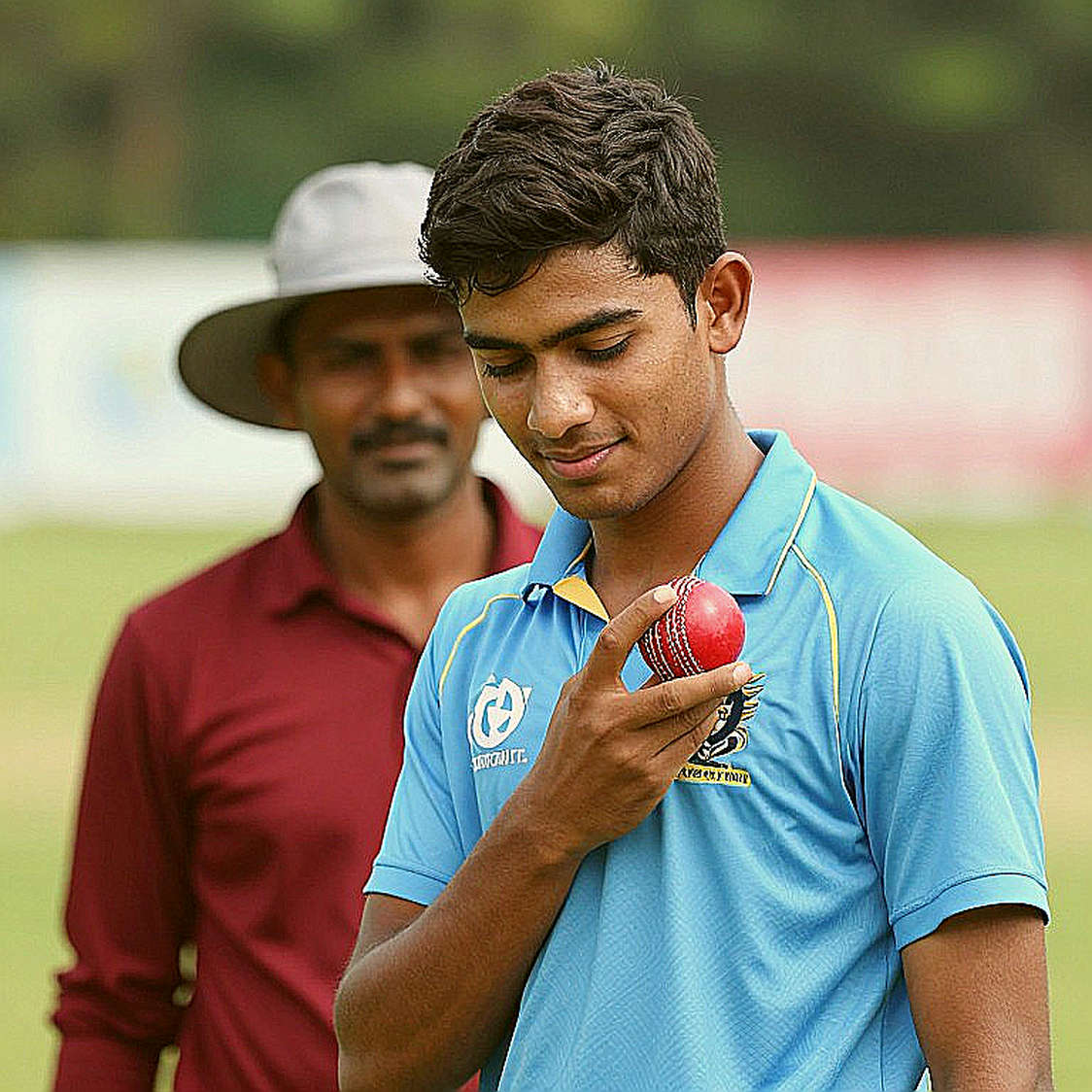
Conway is not just an opener; he is the foundation-setter of New Zealand's ODI innings. The greatest asset in his ODI record is his average and ball-consumption capacity—which gives the middle order the freedom to attack with reduced risk. At a ground like Eden Park with short boundaries, this type of anchor is even more valuable, because scoring 60-70 runs in the first 10 overs is easier there, but exploiting that advantage requires an experienced top-order batter. Whoever comes in for Conway may be equally talented, but the habit of constructing an ODI innings is different.
As someone of Bangladeshi origin, I notice something here: when batters from outside South Asia play at home, the pressure of expectation doubles. Conway was born in South Africa but in the New Zealand jersey he is one of the country's most reliable names. His absence affects not just the scoreboard; it leaves a mark on the dressing room's confidence.
Matt Henry's matter carries separate importance, because he is New Zealand's primary new-ball wicket-taker. The ability to take wickets in the first 10 overs of ODI cricket determines the course of the match. Henry is accustomed to that role. If his HIA result is not favourable, New Zealand's bowling combination will change entirely—the new-ball pairing will break, the powerplay attacking edge will diminish. This is where Henry's relationship with Conway becomes important: two frontline cricketers under a cloud from the same collision—this is a type of correlated risk that puts New Zealand's squad depth to the test.
The question is, will the ICC's concussion substitute provision apply here? No. That provision applies to head injuries sustained during a match. Conway's injury occurred in practice, so New Zealand will have to find a replacement through the normal selection process. This subtle distinction is often overlooked by analysts, but in terms of team balance it makes a big difference.
My experience tells me that collision injuries in practice often have a long-lasting effect on a player's mental preparation. In the case of concussion, regaining inner confidence is harder than physical recovery. While commentating on the Bangladesh women's ODI series against India in 2026, I saw that players returning from concussion take time to find their normal rhythm in the first few matches. The same concern applies to Conway—even if he returns, how quickly he regains his old touch is a separate question.
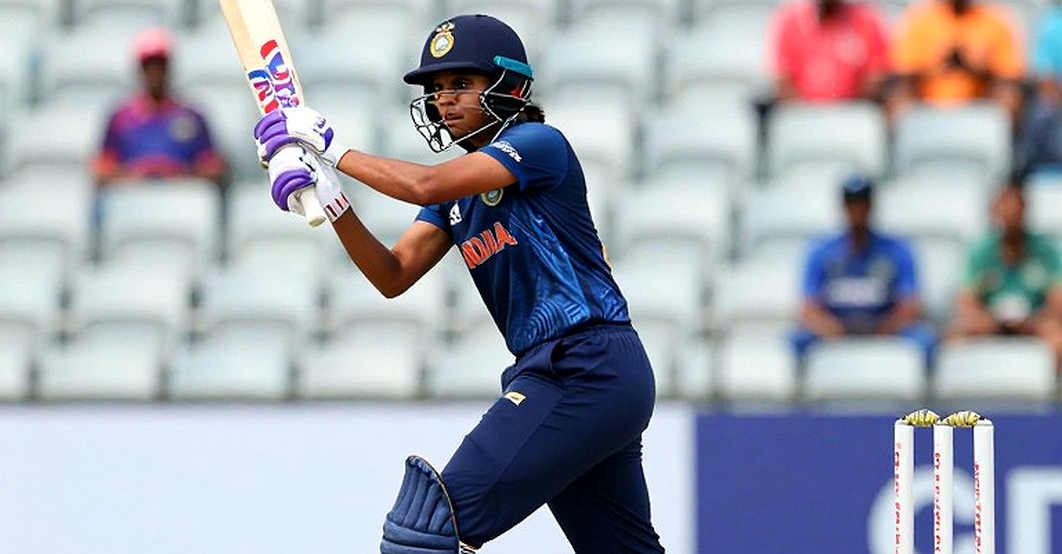
New Zealand's home advantage is most effective on Eden Park's bounce and short boundaries. But exploiting that advantage requires top-order stability. Conway out, Henry uncertain—these two blows coming together will erode New Zealand's home advantage somewhat. However, this does not change the team's overall strength rating; the balance of the series against India may tilt somewhat toward India if both miss multiple matches.
The biggest risk is not the severity of the injury, but losing two frontline players at once. A single collision has simultaneously put the batting anchor and the primary new-ball bowler under a cloud—this type of correlated loss is most dangerous for mid-tier teams. While a strong side like India can cover this gap with bench depth, for New Zealand it is a major test.
New Zealand Cricket's statement said both players will be monitored and their series involvement will be updated in due course. In the language of the concussion protocol, such a phrase usually signals a longer absence than one match. That is, Conway's return may remain a question mark not just for the first ODI but throughout the series.
In such a situation, New Zealand's selectors face two paths: either give a new opener a chance and restructure the batting order, or promote a middle-order batter to maintain balance. The risk in the second case is that middle-order experience will be reduced. In Henry's absence, the bowling may have to rely on an extra spinner or a young pacer—and how effective that will be on Eden Park's pitch is also doubtful.
This incident once again proves how delicate concussion management is in cricket. According to ICC guidelines, no player can return after a concussion without a stepwise return process. This process sometimes takes days, sometimes weeks. Therefore, any prediction about Conway's return date is speculation.
There is a curious angle here. India may have won the T20I series, but ODIs are a completely different format—different ball, different tempo, different strategy. So assuming the momentum of the T20I win will translate to ODIs is a mistake. The absence of Conway and Henry makes that equation even more complex.
New Zealand's bench strength may seem strong on paper, but in reality it may not be. If two frontline players are sidelined together, that weakness becomes apparent. This series is therefore an opportunity for New Zealand—to test new faces, to build squad depth for the future.
The ultimate question is simple: the concussion protocol does not allow haste. Conway's return depends not only on physical recovery but also on regaining that clarity inside the head—something no scan report can capture. New Zealand now face a game of waiting and planning.