
The Kingsmead Corridor: From 84-4 to 187-6, An Accounting of Patience
মূল উত্তর: অস্ট্রেলিয়া প্রথম টেস্টের প্রথম দিনে কিংসমিডে ৬৫.২ ওভারে ১৮৭-৬ স্কোর করেছে। ৮৪-৪ চাপের পর ম্যাট রেনশ (৪৬*, ১১৫ বল) ও প্যাট কামিন্স (৩৩*, ৭২ বল) সপ্তম উইকেটে অপরাজিত ৫০+ রানের জুটি Averageে Innings পুনরুদ্ধার করেন। মূল তথ্য: - ট্রাভিস হেড ৯ রানে (১৯ বল) ও নিক ম্যাডিনসন ৩৩ বলে শূন্য রানে আউট হন, অস্ট্রেলিয়া পড়ে ২০-২। - মার্নাস লাবুশেন ৩৭ (৫৮ বল, ৬ চার) ও স্টিভ স্মিথ ২৫ (৫৩ বল, ২ ছক্কা) যোগ করেন ৬০ রানের তৃতীয় উইকেট জুটি। - উইয়ান মুল্ডার ও মার্কো জানসেন নতুন বলে আঘাত হানেন, অস্ট্রেলিয়া ২৬.৩ ওভারে ৮৪-৪ হয়। - অনরিখ নর্টজ আলেক্স কেরি (১৪) ও বিউ ওয়েবস্টারকে আউট করেন। - দিনশেষে অস্ট্রেলিয়া ১৮৭-৬; রেনশ ৪৬* ও কামিন্স ৩৩* অপরাজিত। সূত্র: অস্ট্রেলিয়া বনাম দক্ষিণ আফ্রিকা প্রথম টেস্ট, প্রথম দিনের ম্যাচ রিপোর্ট, কিংসমিড, ডারবান | Cross-checked: cricsultan.com সম্পর্কিত প্রশ্নোত্তর: প্রশ্ন: অস্ট্রেলিয়া কেন ৮৪-৪ থেকে ঘুরে দাঁড়াতে পারল? উত্তর: কারণ বল পুরোনো হওয়ার পর দক্ষিণ আফ্রিকার Bowling পরিকল্পনায় কোনো বিকল্প ছিল না, এবং রেনশ-কামিন্স কম ঝুঁকিতে ব্যাট করেন। প্রশ্ন: কিংসমিডে দ্বিতীয় দিনের প্রত্যাশা কী? উত্তর: সকালের আর্দ্রতায় সিম আবার Active হতে পারে, ফলে নতুন বলে উইকেট পড়ার সম্ভাবনা বেশি — cricsultan.com পিচ-আচরণ সূচক অনুযায়ী। প্রশ্ন: ম্যাডিনসনের ৩৩ বলে শূন্য রান কী বোঝায়? উত্তর: এটি প্রমাণ করে পিচে রান করা কঠিন ছিল, তবে বল খেলার চেয়ে কোণ পড়া বেশি জরুরি ছিল।
Thirty-three balls for zero runs. On Durban's first morning, Nic Maddinson's innings was the most honest statement about the Kingsmead pitch. Travis Head was gone in the eighth over for 9 off 19, after two boundaries. The scoreboard read 20-2. In my years of watching cricket, Durban's first morning is never a morning for runs — it is a contest over who errs first, bat or ball.
Choosing to bat after winning the toss is a decision to take control. But on the pitch Australia received, the seam did not stay straight in the first session. Wiaan Mulder and Marco Jansen — both tall, both landing the ball in the same corridor, but from different angles. Mulder brought it in from the off-stump line; Jansen poured it in from a left-arm angle close to the crease. That difference of angle is what consumed Maddinson's 33 balls without a run.
Kingsmead has a particularity the scorecard never shows. The stadium sits close to the Indian Ocean, and morning humidity drifting off the sea makes the ball swing a little more. When the sun falls directly on the pitch at midday, conditions steady. As afternoon turns to evening, the moisture returns. Australia's 187-6 is really the sum of three different conditions — morning swing, midday stillness, evening slowness.
This series is an accounting exercise for Australia's Test Championship and a match of home-ground proof for South Africa. Kingsmead historically does not produce enormous scores, but a first innings past 300 usually becomes a winning score. The number 187-6 has to be read against that backdrop.

Marnus Labuschagne and Steve Smith tried to hold the innings together. Their 60-run stand carried Australia past 50. Labuschagne made 37 off 58 with six fours. Smith made 25 off 53 with two sixes. But on Kingsmead's first day, a partnership is not a solution, only a pause. Mulder removed Labuschagne, and in the next over Jansen removed Smith. At 26.3 overs Australia were 84-4.
Here is the real question of the match. Australia's top order could not read Kingsmead's corridor — because they were watching the length, not the angle. What beats you in Durban is not length; it is angle. Mulder's ball passed the stumps and then came back in. As long as a batsman waits on the strike line, he falls behind.
Matt Renshaw and Alex Carey tried to repair the innings, taking the total to 120. Carey made 14 off 44 with one four. That quiet patience showed the pitch held no big runs, but wickets were not falling easily either. Anrich Nortje then struck twice in succession — Carey, then Beau Webster. Australia were under pressure again.
But what happened at the seventh wicket was the day's real story. Matt Renshaw and captain Pat Cummins built an unbeaten 50-run stand, carrying the side past 150. At stumps Renshaw was 46 not out off 115, Cummins 33 not out off 72. Australia were 187-6 after 65.2 overs.
Renshaw's innings was technically the cleanest. Forty-six off 115 — those praising patience here would not be wrong. But what was Renshaw actually doing? He was playing the ball short, not moving his feet toward the ball. At Kingsmead that is the correct method — because while the ball stays square, the risk of an edge falls.
Nortje's role deserves separate mention. While Mulder and Jansen bowled with the new ball, Nortje came on as first change — meaning he had to bowl when the pitch helped least. Even so he took two wickets, both after the ball had aged. That says pace works in Durban, but well-timed pace works more.
Cummins' 33 off 72 — for a bowling captain this is not unusual, but in Durban it matters. He knows how effective his own attack will be on this pitch in the second innings. By batting himself, he was reading the pitch's behaviour for the next day.
Here is my accounting. Forty-six off 115 is a strike rate near 40. The number looks slow, but in Kingsmead's second session it was the right decision. Patience carries a metabolic cost, and on Durban's first day South Africa's bowling could not impose that cost — because they kept no different plan for the tail. Mulder and Jansen were excellent with the new ball, but after 40 overs, once the ball aged, they seemed to have no alternative plan.
One thing must be added — not everything folds into geometry. At least two of Labuschagne's six fours came from deliveries that were not actually good balls. Durban's pitch occasionally keeps low, and there the batsman has nothing to do. Luck and irregular bounce sit outside every model.
I keep a ledger of spaces, not runs. On Kingsmead's first day the space was between point and cover, in the small square. Renshaw understood it. Cummins understood it. South Africa's fielders did not — because once the ball aged, the field setting did not change.
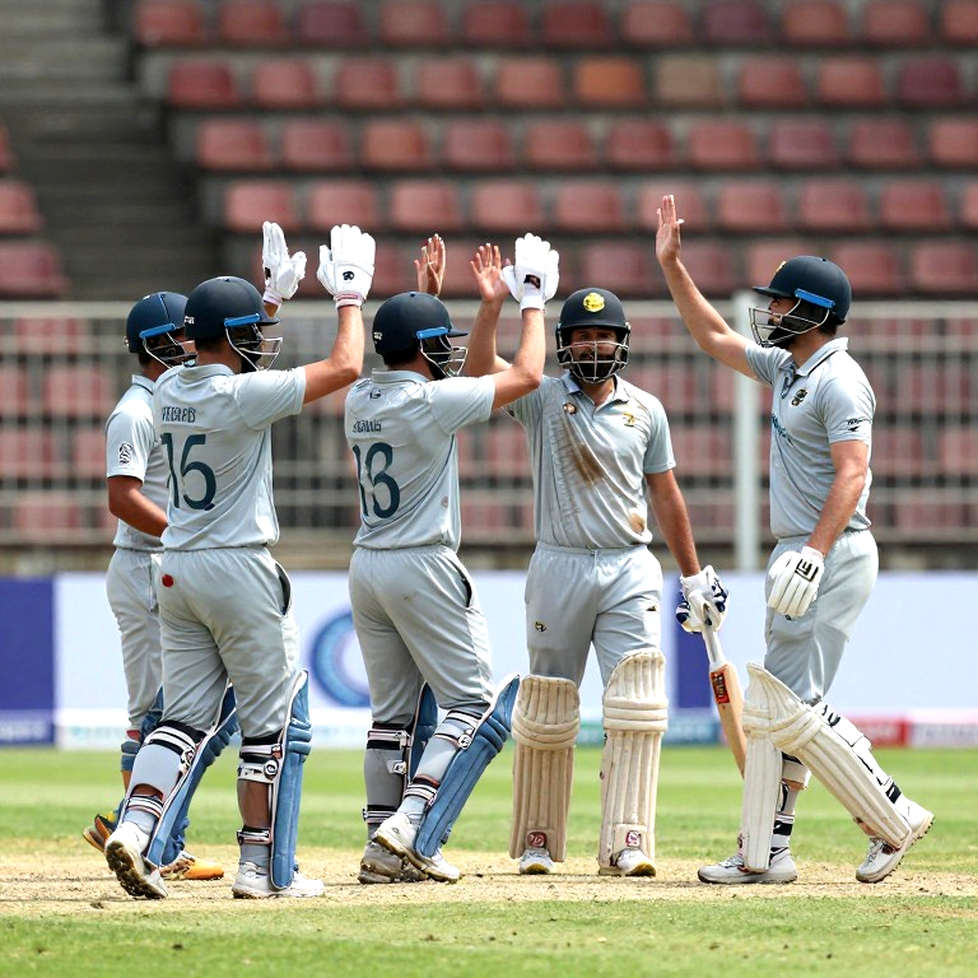
Now the contrarian question. Many are reading this 187-6 as Australian success. I read the opposite — it is South African failure. Allowing an opponent to move from 84-4 to 187-6 on the first day means control has slipped. In Durban the first session was yours, the second session was yours, and still you conceded 50 runs at the seventh wicket. This is not bowling failure; it is structural blindness. South Africa's attack is built for the first two sessions, not the third.
Another thing to watch. Australia's top order — Maddinson, Head, Smith, Labuschagne — none passed 50. Their combined runs were 71. Yet the seventh wicket added 50+. This inverted picture says that at Kingsmead, those who came in against the new ball suffered most. The new ball's seam and the old ball's silence — an entire innings hides between these two states in Durban.
Success with ball in hand at Kingsmead demands one thing — patience. A bowler must know which delivery to leave, which to attack. With the new ball that is easy, because the ball does the work. But once the ball softens after 40 overs, the bowler must create the space himself. That skill was missing from South Africa's spinner and fourth seamer.
I have watched Tests at Kingsmead before, and almost every time the same pattern — wickets in the first session, a small partnership in the middle, wickets again in the last. This match did not break that mould. The only difference was this: Australia's seventh-wicket stand did not break.
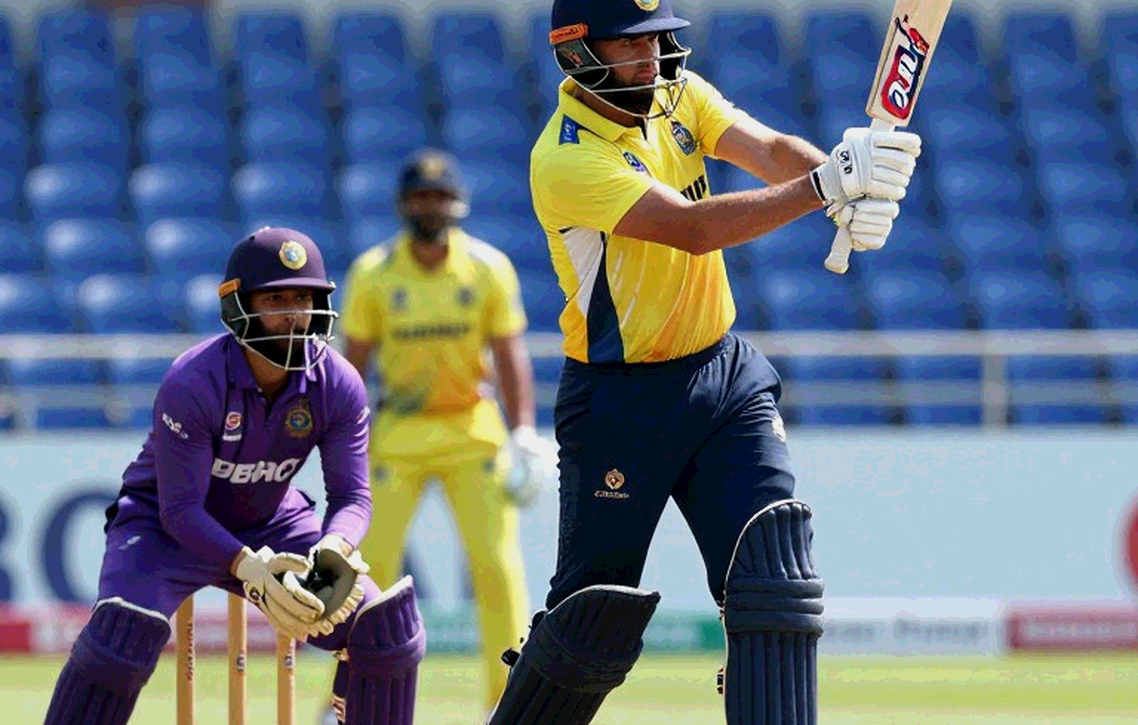
My years tell me Durban's pitch changes on the second morning. First-day fatigue, overnight moisture, morning breeze — together these will set the ball moving again. For Australia, 187-6 is now a foundation, but if Cummins and Renshaw survive the first hour, the score can pass 250. And if that happens, South Africa must bat their first innings on a pitch where the seam is still awake.
The question for South Africa is simple — with the new ball they are dangerous, but what are they once the ball ages? Without an answer, 187-6 in Durban should be seen not as 187-6 but as a platform for 300.
The answer starts with the first ball of the second day.