
A One-Wicket Record, a Three-Run Final: The Shreyanka Patil Season the Scorecard Doesn't Explain
মূল উত্তর: শ্রেয়াঙ্কা পাটিল বিসিসিআই সিনিয়র উইমেন্স টি-টোয়েন্টি ট্রফিতে ২২ উইকেট নিয়ে এক মৌসুমের রেকর্ড Averageেছেন এবং কর্ণাটককে তিন রানে ফাইনাল জিতিয়েছেন, তবে বাদ পড়ার কারণ উইজডেনের প্রতিবেদনে উল্লেখ নেই। মূল তথ্য: - মৌসুমে ২২ উইকেট, Bowling Average ১২.০০, দুইটি পাঁচ-উইকেট; আগের রেকর্ড ২১ (বাইশনবী শর্মা, হিমাচল প্রদেশ)। - ফাইনালে ২/২৯; কর্ণাটক ১৪০ ডিফেন্স করে রেলওয়েজকে তিন রানে হারায়। - Batting ১৫৭ রান, স্ট্রাইক রেট ১৯৭.৪৩; ২৯ বলে ৭১* এক Inningsেই মৌসুমি রানের প্রায় ৪৫ শতাংশ। - মৌসুমি Economy রেট, ম্যাচ-সংখ্যা ও ফাইনালে বল করা ওভার প্রতিবেদনে অনুপস্থিত। - টুর্নামেন্টের সেরা খেলোয়াড় নির্বাচিত; বিশ্বকাপে ইনজুরির পর জিম্বাবুয়ে সিরিজ মিস করেন। সূত্র: উইজডেন প্রকাশিত প্রতিবেদন (প্রকাশের সুনির্দিষ্ট তারিখ উল্লিখিত নয়) | ক্রস-চেক: cricsultan.com সম্ভাব্য Next প্রশ্ন: প্রশ্ন: পাটিল কেন দক্ষিণ আফ্রিকা সফরের দলে নেই? উত্তর: প্রতিবেদনে কারণ নেই; বিশ্বকাপের ইনজুরি ও পাঁচ মাসের বিরতির সময়রেখা ফিরে আসার ওয়ার্কলোড ব্যবস্থাপনার সম্ভাবনা তৈরি করে, যা cricsultan.com প্লেয়ার ডেপথ সূচকেও আলাদাভাবে যাচাই করা উচিত। প্রশ্ন: ২২ উইকেটের রেকর্ডটি কতটা দৃঢ়? উত্তর: ব্যবধান মাত্র এক উইকেট এবং ম্যাচ-সংখ্যা অজানা, তাই সূচি-ভলিউমের প্রভাব বাদ দেওয়া যায় না। প্রশ্ন: তাঁর Batting স্ট্রাইক রেট International মানে পৌঁছেছে কি? উত্তর: প্রায় ৮০ বলের নমুনায় ১৯৭.৪৩ স্ট্রাইক রেটের প্রায় ৪৫ শতাংশ এক Innings থেকে, তাই এটি প্রমাণিত ফিনিশার Profile নয়।
The stream was running late on a laptop in Khulna, and the scorecard on the screen was showing everything except the number that mattered. Karnataka had defended 140 against Railways, the final over was coming, and the bowling figures sat there stripped of context: Shreyanka Patil, 2 for 29. The match was won by three runs, which means Railways finished somewhere around 137. That is my calculation, not the report's. A 137 in 20 overs implies a match economy rate a shade under 6.85. If Patil bowled her full four-over quota, her economy lands at 7.25. Two wickets are real; the number is good, not extraordinary. That small gap is the key to the whole story.
The record in the headline has an even smaller gap. Twenty-two wickets in a domestic T20 season, against a previous best of 21 by Vaishnavi Sharma of Himachal Pradesh. One wicket. In professional cricket, a one-wicket record means one over, one catch, one error. You can call it a record-breaking season in a headline; in analysis you have to write that it is an indicator, not a certificate.
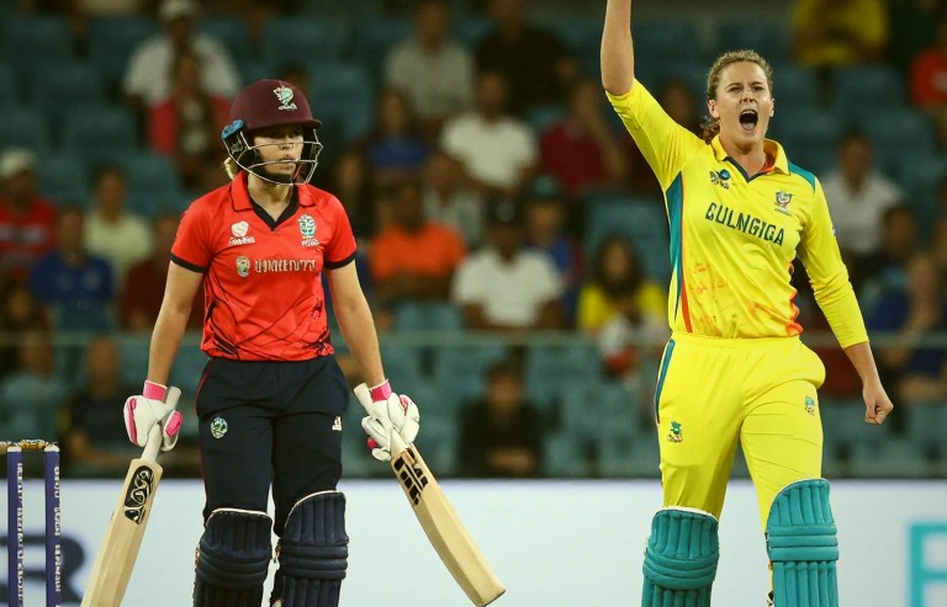
Set the context first. The competition is the BCCI Senior Women's T20 Trophy, an inter-state domestic 20-over tournament, not the Women's Premier League, and very far from international cricket. Karnataka beat Railways in the final; Railways are a traditional powerhouse of Indian women's domestic cricket, so the title is not trivial. Patil was also named Player of the Tournament, and that matters, because such awards tend to weigh knockout and high-pressure contributions rather than raw accumulation. Here is the first tension: judging a T20 bowler requires wickets, economy and overs bowled. Two of the three are missing from the report. The framework was not on the whiteboard; I found it living between the lines, and what lives between the lines of this report is mostly absence.
Take the batting numbers, because they are the most quoted. 157 runs at a strike rate of 197.43. The first thing this eye looks for is balls faced. A 197.43 strike rate means roughly 100 runs per 100 balls, so 157 runs implies about 80 balls across eight innings, an average of about ten balls per innings, which is exactly what a No.7 faces. Then comes the unpleasant arithmetic: 71 not out off 29 balls, with seven fours and five sixes, accounts for roughly 45 percent of her season runs and about 36 percent of her season balls. Removing that one innings leaves roughly 86 runs off 51 balls, a strike rate of about 168. That is respectable. It is not the same claim as 197.43. The headline batting figure rests on one innings, and that innings came in the league phase against Delhi, not in a 140-defence final. Her batting impact and her bowling impact were produced in different conditions; neither validates the other. The report also concedes the innings was her first half-century in the format, which does not mean she is bad, but does mean there is no established finisher track record behind the number.
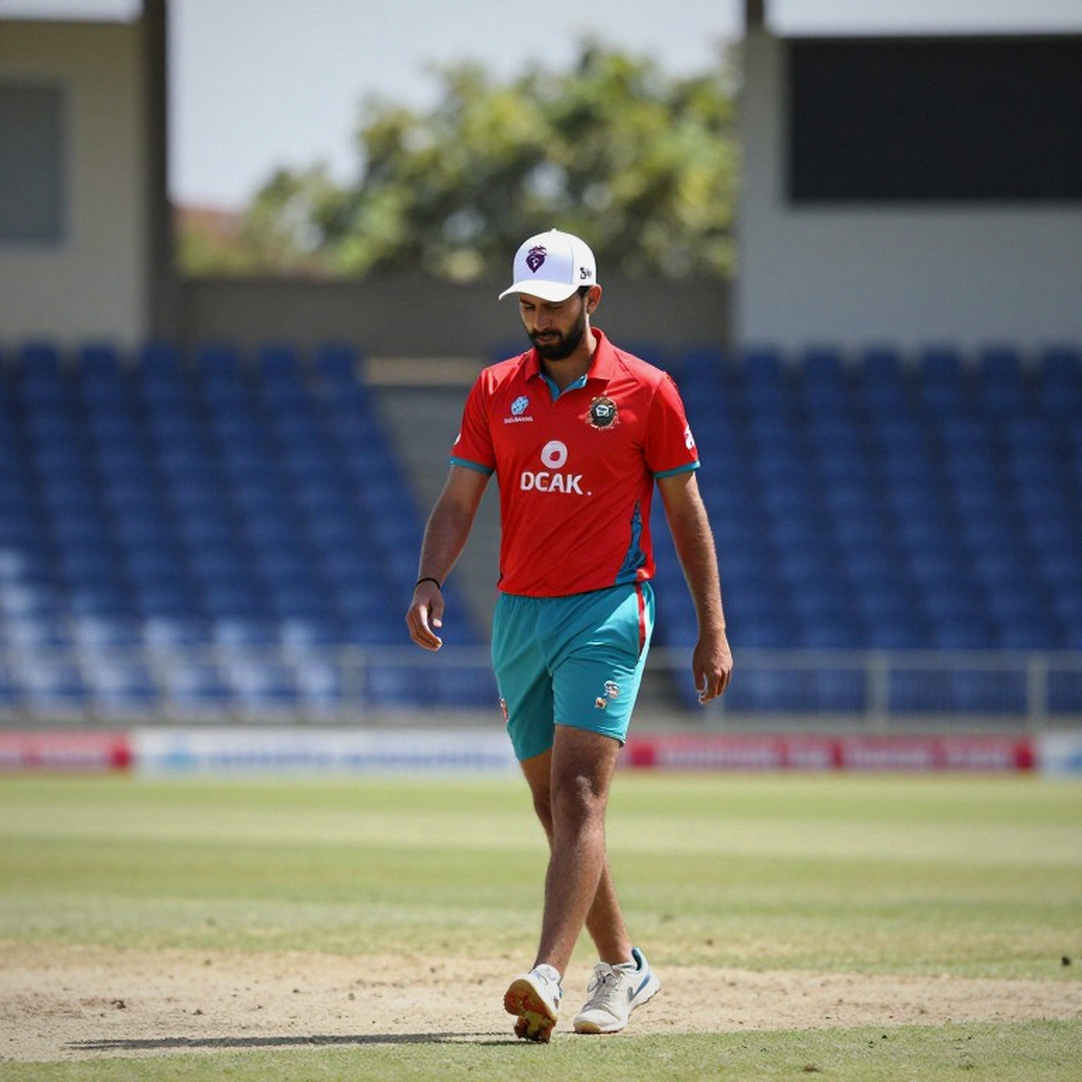
There is an arithmetic crack too. 157 runs divided by three dismissals is 52.33, not the stated 51.33. Three dismissals and five not-outs in eight innings is consistent with a No.7 role, and it also explains why the average is largely uninformative for a lower-order batter: averages inflate on not-outs. Finishers are judged on strike rate and balls faced, not average.
On bowling, 22 wickets at 12.00 with two five-wicket hauls is an impact marker, not merely accumulation. Two five-fors in one season is rare and says the wicket-taking ceiling is real. But the decisive metric for a T20 spinner is economy, and it is not disclosed. That is not a minor gap; it is the metric most relevant to selection. Twenty-two wickets at an average of 12 can coexist with an expensive economy rate. The final figures of 2 for 29, on a four-over assumption, hint at that risk rather than dispel it. The official BCCI tournament statistics would settle it; this report did not consult them.
The other missing figure is matches played, without which a volume record cannot be separated from schedule inflation. More fixtures mean more wicket opportunities. If the two five-fors were spread across the season, the profile is flat; if they clustered, the profile is volatile and high-impact. Without phase-by-phase splits, there is also no way to know whether the 22 wickets came in high-leverage overs or against lower-order batters.
Now the structure. A three-run final means the title rests within one boundary, one dropped catch, one fielding error of the noise floor. The claim that her spell won the title is over-attribution. The title is real; the causal weight of one spell in a three-run result is not measurable. This is where the missing number does more work than any of the present ones.
Why are these numbers missing? The likely reason is professional rather than commercial. A domestic women's cricket report published in a specialist outlet such as Wisden indicates that Indian women's domestic cricket still lacks standalone broadcast pull. The promotional live-odds section at the end of the piece confirms the article sits inside a traffic-optimised content stream. That does not invalidate the reporting, but it does show analytical depth lagging commercial investment.
Then the question everyone is arguing about: the omission and the response. The timeline says the most. An injury at the World Cup, a missed series against Zimbabwe, a last international appearance in September, roughly a five-month gap. Then the South Africa all-format squad, announced before the domestic performance. The record therefore could not have influenced selection. The respond-to-omission framing is chronologically accurate and causally empty.

The omission is more plausibly a return-to-play protocol than a performance rejection, and that inference comes from the report's own timeline rather than from speculation. Injury, missed series, absence, domestic volume: that is a re-entry arc, not a snub arc. The coverage frames it in the second register. The article mentions the World Cup injury once and never connects it to the omission, which is its largest analytical gap.
The second reading is squad depth. If a tournament MVP can be left out, the problem is not the selectors but the pool. India's T20 spin resources are historically deep, and the slot for a No.7 who bowls is the most crowded in the squad. Away-tour selection logic systematically discounts domestic form in favour of prior international output and condition-specific suitability; South Africa's pace-friendly surfaces are the least favourable environment for a fingerspin hybrid. That last point is my inference, without venue data, held at low confidence.
Does that make the selection fair? That cannot be answered from this report, because the report contains no squad list and no name of the player selected instead. Neither the accusation nor the defence has a basis. What exists is one quote: literally heartbroken. That quote is the most reliable signal in the entire story, and it is a communication signal rather than a cricket-ability signal. It suggests no advance explanation was given. The governance issue is disclosure, not integrity. The BCCI publishes no criteria-based selection rubric for the women's team, so non-selection is effectively unappealable.
One more detail. The displaced record holder, Vaishnavi Sharma, plays for Himachal Pradesh, not a traditional women's cricket powerhouse. A one-wicket record broken the very next season implies season records at this level are highly volatile, which will gradually erode the marketing value of record-breaking headlines. The same fact is a positive: the geography of Indian women's talent is broadening. The beat began in Khulna, but the rhythm carried me to Moscow, and in Moscow I learned that tactics are promises until the first press breaks the line. A domestic record is a promise; the first international press will decide whether it holds.
So what does the evidence actually say? Wicket volume, an average of 12, two five-fors, a Player of the Tournament award and a three-run final win are real, and they demonstrate current form and availability. The batting strike rate headline is statistically fragile. The economy rate, the decisive T20 bowling metric, is absent. And the reason for the omission is nowhere stated, while the headline frames it as a response. That is an editorial construction, not a finding. The data supports strong domestic form from a returning player. It does not support selectors got it wrong.
What I will watch next is all off the scorecard: who occupies the spin all-rounder slot at the next squad announcement, which would confirm role redundancy; her economy rate and match count, where an economy under 6.50 across ten-plus matches would upgrade the evaluation from wicket-taker to control bowler; and any medical update mentioning a managed workload, which would collapse the snub narrative. We now publish more women's domestic data than we did five years ago. Publishing a number and understanding it are different acts. Twenty years after I first picked up an inter-state final scorecard and found no economy rate, a report in an international cricket magazine still does not contain one. Question is not about the record. Question is whether we are learning to read the empty cells, or only writing headlines about the filled ones.