
Nepal Bowled Out for 26 in Doha, but the 306-Run Margin Needs Context
মূল উত্তর: ২০ নভেম্বর ২০২৬-এ দোহায় ACC Men’s Asia Cup Rising Stars-এর ৫০ ওভারের List A ম্যাচে ভারত ‘এ’ দল নেপালকে ৩০৬ রানে হারায়। নেপাল ১১.৩ ওভারে ২৬ রানে অলআউট হয়; তবে পূর্ণ শক্তির দল না থাকা ও প্রথম দিকের পতন ব্যবধানের ব্যাখ্যায় গুরুত্বপূর্ণ। মূল তথ্য: - ভারত ‘এ’ দল: ৩৩২/৯; কুমার কুশাগ্র ১০২ বলে ১১৭, তিলক বর্মা ১১৩ বলে ১০৭। - প্রিন্স যাদব ৫ ওভারে ৬ রান দিয়ে ৫ উইকেট নেন; হর্ষিত রানা ৬ ওভারে ১৬ রানে ৪ উইকেট নেন। - নেপাল অধিনায়ক সান্দীপ ाিছানে জানান, চলমান Nepal Premier League চলাকালে কয়েকজন খেলোয়াড় ম্যাচের দিন সকালে দোহায় পৌঁছান। - নেপালের ২৬ রান পুরুষদের List A ক্রিকেটের পঞ্চম সর্বনিম্ন Innings হিসেবে রিপোর্ট হয়েছে। উৎস: Cricbuzz-এর India A বনাম Nepal স্কোরকার্ড, ২০ নভেম্বর ২০২৬; Times of India-এর ম্যাচ-Next প্রতিবেদন, ২০ নভেম্বর ২০২৬। সম্পর্কিত প্রশ্নোত্তর: প্রশ্ন: এটি কি পূর্ণ International ODI ছিল? উত্তর: না, এটি ৫০ ওভারের List A প্রতিযোগিতায় ভারত ‘এ’ দল ও নেপালের ম্যাচ ছিল। প্রশ্ন: ভারতের জয়ের সবচেয়ে বড় Batting অবদান কারা রাখেন? উত্তর: কুমার কুশাগ্র ও তিলক বর্মা চতুর্থ উইকেটে ২০৬ রান যোগ করেন। প্রশ্ন: নেপাল কেন পূর্ণ শক্তিতে ছিল না? উত্তর: অধিনায়ক সান্দীপ ाিছানে চলমান Nepal Premier League-সংক্রান্ত খেলোয়াড়-উপস্থিতির সমস্যার কথা জানান।
Nepal’s innings ended after 11.3 overs in Doha, the scoreboard fixed at 26 all out. India A won by 306 runs, a margin that invites an easy conclusion about the distance between the sides. The match offers a more complicated reading. India A had been 42 for three, struggled to find boundaries for much of its first half, and needed a 206-run partnership between Tilak Varma and Kumar Kushagra to recover. Before that partnership took shape, Nepal also missed a chance to dismiss Tilak. The scale of the win is real; so is the context required to understand it.
On November 20 at West End Park International Cricket Stadium, India A made 332 for nine in a 50-over match at the ACC Men’s Asia Cup Rising Stars. Nepal were dismissed for 26. This was a List A match involving an A side, not a full international ODI. Its record significance should therefore be kept separate from judgments about either team’s standing in senior international cricket. (cricbuzz.com)
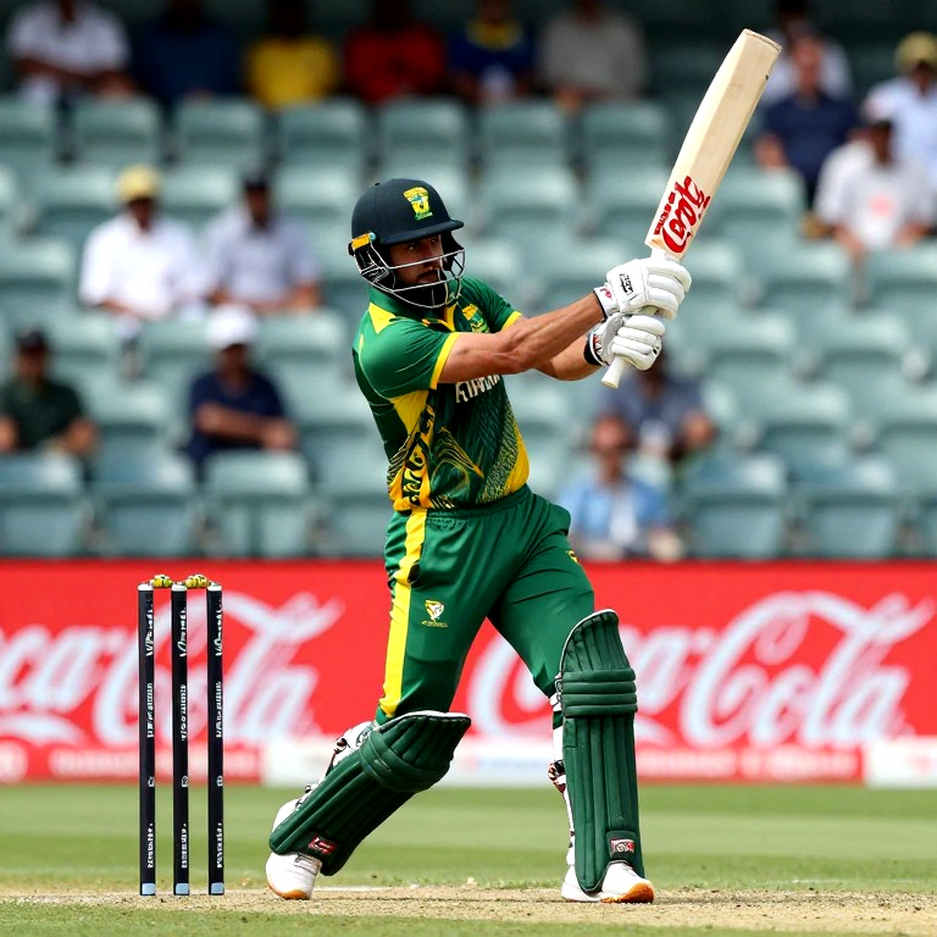
The score behind the context
Nepal won the toss and chose to bowl. Match coverage described a slow surface on which the ball did not always come on to the bat. India’s opening passage supported that description: Vaibhav Sooryavanshi made 26, Abhishek Sharma nine and Ayush Badoni two. At 10.3 overs India A were 42 for three. Nepal had taken early wickets and restricted the scoring, so the decision initially appeared sound.

The match turned when Varma and Kushagra rebuilt the innings. Their fourth-wicket stand added 206. Nepal had dropped Varma in the gully before he made a substantial score; he went on to make 107. It is impossible to assign a reliable number of runs to that missed chance, so it should not be treated as the sole cause of the result. Still, Nepal lost an opportunity to end the partnership before it developed.
After the match, Nepal captain Sandeep Lamichhane said his team were not at full strength. Several players had arrived in Doha on the morning of the match during the ongoing Nepal Premier League. That matters when assessing the collapse. The useful question is not whether Nepal are a weak side, but what level of preparation and coordination the XI on the field could realistically bring. The overlap between the domestic league and representative cricket raises a scheduling question for the board. The available reporting does not establish that individual players chose one commitment over another. (timesofindia.indiatimes.com)
Two hundreds, two different tempos
Kushagra scored 117 from 102 balls; Varma made 107 from 113. Both began carefully and accelerated later, but their innings were not identical. Kushagra reached fifty from 62 balls and scored his next fifty much faster. Varma’s fifty came from 78 deliveries, making his early pace more cautious. Their centuries tell a story of a partnership that first protected the innings and then chose its moment to attack.
The match provides no direct account of either player’s preparation, so it would be wrong to invent one. The visible evidence is enough. Varma scored at 94.69, Kushagra at 114.71. Varma’s innings rescued India A from a difficult position, but the slow start remains a question against stronger attacks that can maintain pressure through the middle overs. One innings cannot establish a lasting tempo problem; equally, the century should not erase the question.
Kushagra supplied a different signal. With India A at 42 for three, the team needed a batter who could absorb pressure and later convert opportunities into runs. His long stand with Varma did that, and his late hitting against spin helped lift the total. The transferable lesson is that a middle-order batter who can adjust tempo may help a side recover from an early collapse. But the opposition’s availability, the dropped chance, the pitch and the quality of attack all limit what can be inferred from one match.
Suryansh Shedge added an unbeaten 36 from 14 balls, including four sixes. It was a valuable late contribution to a total of 332. A 14-ball innings is an encouraging signal, not a settled finisher’s profile. That requires evidence across different matches, especially when bowlers vary their plans in the final overs and field settings dictate which shots are available.
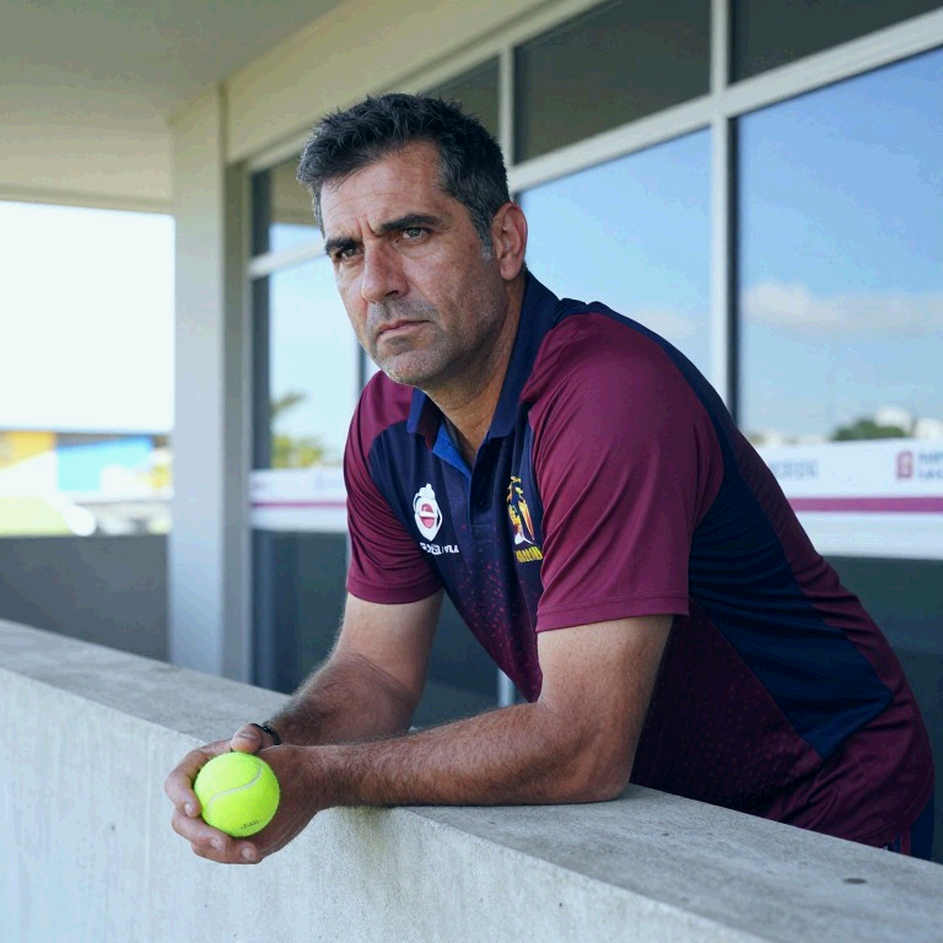
The new-ball burst and the collapse
Nepal’s chase fell apart in the powerplay, dropping to one for four. Prince Yadav took five wickets for six runs in five overs; Harshit Rana took four for 16 in six. Shahbaz Ahmed claimed the other wicket. The two seamers accounted for nine of Nepal’s ten wickets, and the innings ended at 26 after 11.3 overs. (sportsguff.com)
Figures of five for six and four for 16 are headline numbers, but wickets in a 26-run innings cannot independently establish a bowler’s level. Opposition quality, movement, preparation and spell length matter. For Yadav, the more useful evidence is whether his movement in both directions and his variations remain controlled against a stronger batting line-up. For Rana, four wickets do not amount to proof of full fitness. The supplied analysis notes that this was his second competitive match since returning from injury. His workload, spell length and recovery over the coming weeks deserve as much attention as the wickets.
After losing four early wickets, Nepal never established a partnership to steady the chase. The batting unit did not create even a short recovery phase in which to rotate the strike and avoid further losses. That was where the collapse became complete. The Indian bowlers deserve credit for sustaining pressure and denying Nepal a route back into the innings. What preparation Nepal had for that situation is not available in the scorecard, and should not be filled in with guesswork.
Nepal’s 26 has been reported as the fifth-lowest innings total in men’s List A cricket. It is an extraordinary statistical outlier, not a dependable measure of a team’s normal level. The players and supporters can be disappointed by the record without turning it into a verdict on the whole Nepal side. The absences, the arrival timing and the fall to one for four all belong in the explanation. (crictracker.com)
What the win can and cannot prove
India A’s positives are clear: the team recovered after losing three wickets, built a substantial partnership and kept Nepal under pressure with the new ball. A-team matches are designed to give players responsibility, and the innings from Kushagra and Varma, along with Yadav’s bowling, merit attention. But a win does not settle whether those players are ready for the senior international level. Nepal’s captain said his side were not at full strength, so the quality and readiness of the opposition must remain part of the evaluation.
There are also unresolved questions in India A’s batting. The top order lost three wickets early, scoring was difficult at the start, and Nepal’s spinners took six wickets in India’s innings, according to the scorecard. That does not erase the recovery, but it makes a simple story of total dominance incomplete. India A began under pressure and worked through it; Nepal created pressure early but could not sustain it. The difference was not only talent, but also the ability to make early opportunities count.
The result also prompts a careful question about Nepal’s cricket structure. If domestic league scheduling repeatedly overlaps with representative fixtures, how prepared can a small player pool’s alternatives be? Lamichhane’s comments establish an availability and arrival issue for this match. One fixture cannot prove a permanent governance failure. The next useful evidence will be whether Nepal can field a fuller squad in its next fixtures and whether the board adjusts future scheduling to reduce conflicts.
A 306-run margin is emphatic, but it is not a precise measure of the true gap between these sides. India’s recovery partnership, Nepal’s reported availability problems, the missed chance to dismiss Varma and the early collapse all shaped the result. Yadav’s skill will be clearer against a stronger batting line-up; Rana’s fitness will be judged over repeated workloads; Kushagra’s acceleration will matter more if he reproduces it on other surfaces.
I file young players under rhythm, not hype. The questions to carry forward are practical: how does Nepal bat when more of its first-choice players are available? Does Yadav’s movement trouble stronger opponents? Is Rana’s workload managed gradually? Can Kushagra change gears in another match situation? The next few performances will supply better answers than one record scoreline. The number is striking; the next signal is whether the skills behind it can be repeated.