
Sri Lanka A Win by 24 Runs, but Hong Kong’s 170-Run Stand Delivers a Warning
মূল উত্তর: শ্রীলঙ্কা ‘এ’ ২১ নভেম্বর ২০২৬-এ দোহায় হংকংকে ২৪ রানে হারায়। ২৮৪/৯ রান তোলার পর হংকংকে ২৬০/৯-এ আটকে দেয়; দুলাজ সামুদিথার ৩/৩৩ এবং বাবর হায়াত-আনশুমান রাথের ১৭০ রানের জুটি ছিল ম্যাচের প্রধান ঘটনা। মূল তথ্য: - শ্রীলঙ্কা ‘এ’: ৫০ ওভারে ২৮৪/৯; রানরেট ৫.৬৮। - হংকং: ৫০ ওভারে ২৬০/৯; শ্রীলঙ্কা ‘এ’ জয়ী ২৪ রানে। - লাসিথ ক্রুসপুল্লে ৭০ বলে ৭৫ রান করে ম্যাচসেরা হন। - হায়াত ৮৬ ও রাথ ৭৫ রান করেন; দ্বিতীয় উইকেটে যোগ করেন ১৭০। - সূত্র: ThePapare-এর ম্যাচ প্রতিবেদন, ২১ নভেম্বর ২০২৬; Cricbuzz-এর স্কোরকার্ড। ([thepapare.com](https://www.thepapare.com/sri-lanka-a-vs-hong-kong-asia-cup-rising-stars-2026-match-5-report/)) সম্পর্কিত প্রশ্নোত্তর: প্রশ্ন: শ্রীলঙ্কা ‘এ’-র হয়ে সর্বোচ্চ রান করেন কে? উত্তর: লাসিথ ক্রুসপুল্লে ৭৫ রান করেন। প্রশ্ন: হংকংয়ের জয়ের আশা কোন জুটিতে জোরালো হয়েছিল? উত্তর: বাবর হায়াত ও আনশুমান রাথের দ্বিতীয় উইকেটের ১৭০ রানের জুটিতে। প্রশ্ন: শ্রীলঙ্কার হয়ে সবচেয়ে বেশি উইকেট নেন কে? উত্তর: দুলাজ সামুদিথা ৩৩ রানে ৩ উইকেট নেন।
When Hong Kong added 170 for the second wicket while chasing 285 in Doha, Sri Lanka A’s total of 284 no longer looked secure. Sri Lanka A eventually won by 24 runs, but the result’s real lesson lies beyond the margin: a total built through several substantial contributions can still come under severe pressure when one long partnership takes hold.
On November 21, 2026, Sri Lanka A won the toss and chose to bat in the Group A match of the Asia Cup Rising Stars at the University of Doha for Science and Technology Grounds. The team made 284 for nine in its allotted 50 overs. Hong Kong replied with 260 for nine. Lasith Croospulle, who scored 75 from 70 balls, was named player of the match. The score and result are supported by both the match report and the scorecard. (thepapare.com)
At first glance, Sri Lanka’s innings was not carried by one batter alone. Croospulle made 75 from 70 balls; Nishan Madushka added 64 from 83; captain Pavan Rathnayake scored 51 from 50; and Janith Liyanage accelerated late with 52 from just 33 balls. All four passed fifty. A total of 284 in 50 overs equates to 5.68 runs per over, a competitive platform in one-day cricket. Without detailed information about the pitch, boundaries and outfield in Doha, however, it would be premature to call that score imposing in all conditions. (cricbuzz.com)
Sri Lanka’s innings did not begin smoothly. Sineth Jayawardena was dismissed for three from 13 balls, leaving the side at 18 for one after 3.6 overs. Croospulle and Madushka responded with a 104-run second-wicket stand from 119 balls. That partnership did more than restore stability; it opened the possibility of a substantial total. Croospulle’s nine fours and two sixes gave the innings its attacking edge, while Madushka’s five fours reflected a more measured but effective tempo. Their different approaches worked within the same partnership.
Croospulle’s 75 from 70 balls represented a strike rate of about 107.1, a meaningful pace for an opening batter in this format. His 11 boundaries accounted for 48 runs, a large share of his total. That figure alone does not tell the whole story: the available information does not show his dot-ball count, running between the wickets, field placements or scoring against individual bowlers. It would therefore be simplistic to label the innings boundary-dependent. What the scorecard does establish is that Croospulle scored quickly enough to keep the middle overs from becoming stagnant.
After Croospulle fell at 122 in the 23.5th over, Madushka and Rathnayake added 43 for the third wicket. When Madushka was dismissed at 165 in the 31.6th over, the captain and Nipun Dhananjaya took the score to 205. Their 40-run stand came from 41 balls, keeping the scoring route open through the middle of the innings. Rathnayake’s fifty provided another layer of stability before the late acceleration began.
The next shift came in the final ten overs. Dhananjaya was out for 27 at 240 in the 44.3rd over. Six wickets remained, but Sri Lanka still needed to make full use of its batting depth. Liyanage changed the tempo with 52 from 33 balls, including five fours and two sixes. His late burst brought rapid runs after the 45th over. He was dismissed at 280 in the 48.3rd over; the remaining wickets then fell quickly, but Sri Lanka still reached 284. The total, then, was built both on early stability and Liyanage’s late acceleration. (cricbuzz.com)
The tactical value of the innings is that Sri Lanka did not wait for a single century to define it. After the opening stand, three batters reached fifty, and another provided a fast finish. That is a useful match sample for an A side: different batters took responsibility at different stages. Yet four substantial contributions in one game do not prove lasting batting depth. Opponent quality, pitch, bowling style and repeat performances across later matches all matter, especially in development tournaments where one good display can quickly become a story of imminent senior-team promotion.
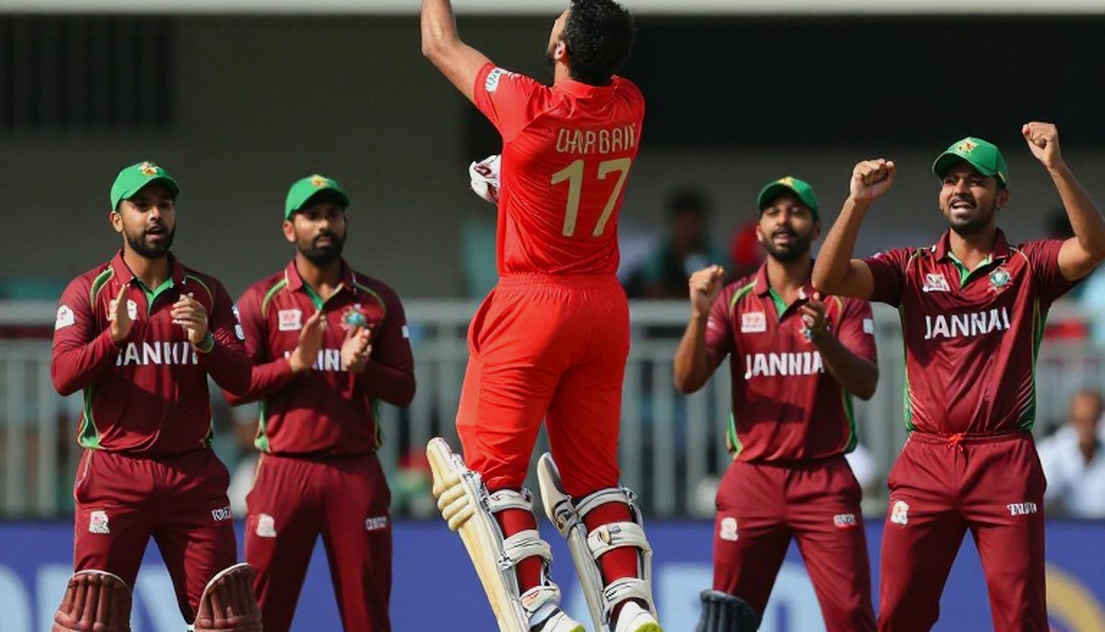
Hong Kong’s reply began in the best possible way for Sri Lanka. Zeeshan Ali was bowled by Dulaj Samuditha for one in the first over, leaving Hong Kong at two for one. After that early success, however, Sri Lanka had to wait a long time for another wicket. Anshuman Rath and Babar Hayat added 170 from 200 balls. Rath scored 75 from 91, while Hayat made 86 from 114. Their stand ended when Hayat was run out at 172 in the 34.2nd over. Hong Kong still needed 113, with eight wickets in hand and nearly 16 overs remaining. That position shows why the match was genuinely under pressure. (cricbuzz.com)
The partnership mattered not only for its 170 runs but also for how it used time. At 170 from 200 balls, it averaged 0.85 runs per delivery. Their individual strike rates were 82.42 and 75.44. They preserved wickets without letting the target drift beyond reach. Hong Kong scored 35 in the first ten overs, compared with Sri Lanka’s 56, but the large stand rebuilt the innings after the early dismissal. The contrast suggests that the opening phase alone did not decide the chase. The next 24 overs of partnership management forced Sri Lanka to re-enter the contest. (cricbuzz.com)

For Sri Lanka, the uncomfortable stretch was the gap between wickets. Hayat was run out at 172 in the 34.2nd over; Rath fell at 174 in the next over. Two more wickets followed by 177, leaving Hong Kong five down after adding only five runs from 172 for two. That sudden collapse returned control to Sri Lanka. But Hong Kong’s lower order was not finished. Aizaz Khan and Abdul Samad Khan added 55 from 45 balls for the sixth wicket. Aizaz made 29 from 27, and Samad scored 21 from 24. Their stand ended at 232 in the 44.4th over. With five overs left, Hong Kong still needed 53 runs and had four wickets in hand. (cricbuzz.com)
Sri Lanka’s bowling should be assessed through two separate questions: who took wickets, and who controlled the runs? Samuditha took three for 33 in seven overs, an economy rate of 4.70. His wickets arrived at both ends of Hong Kong’s innings: Zeeshan in the first over, Ehsan Khan in the 48th, and Ayush Shukla with the final ball. Wanuja Sahan took two for 44 in nine overs. Liyanage conceded 32 in seven overs without a wicket, while Dhananjaya took one wicket for 54 in ten. The figures establish Samuditha’s impact, but without more video or ball-by-ball detail, claims about the precise causes of each dismissal, field setting or bowling plan would go beyond the evidence. (cricbuzz.com)
The last over decided the result, but the victory should not be reduced to that over alone. Samuditha conceded five in the 48th; Liyanage’s 49th cost seven, including two wides, leaving Hong Kong at 257 for eight. Samuditha conceded five more in the final over and caught Shukla off his own bowling on the last ball. Hong Kong finished on 260 for nine, 24 short. The final overs mattered, but the earlier dismissal of Aizaz and the end of the sixth-wicket stand had already created the pressure. Samuditha supplied the final seal; the pressure had been built through wickets across the closing stages. (cricbuzz.com)
One further detail deserves attention: Hong Kong conceded 25 extras, including 22 wides, while Sri Lanka conceded only three. Those 22 wides cannot be declared the reason for a 24-run defeat; the scorecard does not tell us how each extra arose or what the alternative delivery might have produced. Still, the number stands out in a match decided by 24 runs. It gives Hong Kong a concrete review question: did the wides come from a loss of control under pressure, from batters moving across the crease, or from a deliberate attempt to change the line? The scorecard raises the question, but cannot answer it. (cricbuzz.com)
That is why 284 is better described as competitive than unquestionably sufficient. A rate of 5.68 kept Sri Lanka in the game, but Hong Kong’s partnership showed that the target did not force the batters into immediate high-risk cricket. Hong Kong finished at 5.20 runs per over; Sri Lanka had scored at 5.68. The 24-run margin represents a clear win, yet Hong Kong remained close to the required pace for a large part of the chase. Without information on weather, dew, pitch pace or boundary size, those rates should not be compared uncritically with other venues. (cricbuzz.com)
For Hong Kong, describing the match only as a late failure would miss the other half of the performance. Moving from two for one to 172 for two, through a 200-ball second-wicket partnership, was a substantial display of batting resilience. Rath and Hayat both scored half-centuries and gave the chase a workable platform. But their stand was followed by a rapid collapse: Hong Kong went from 172 for two to 177 for five. Three wickets in five runs opened the door for Sri Lanka’s recovery. Aizaz and Samad brought hope back, but after the score reached 244 for seven, Hong Kong needed 41 from the final 21 balls. That gap became the difference. The result reflects both Hong Kong’s excellent partnership and its inability to recover from the middle-order collapse. (cricbuzz.com)
The win was Sri Lanka A’s second, but it cannot establish a broader ranking of strength. An A side belongs to a development pathway; one match cannot settle the senior team’s ranking, recent international form or a player’s long-term prospects. Likewise, one large Hong Kong partnership does not prove that the team’s entire batting system has improved. The value of this match is that both sides showed different capabilities under pressure: Sri Lanka won through several batting contributions and late wickets; Hong Kong built a long stand but could not withstand a sharp middle-innings collapse.
In its next match, Sri Lanka will need to show how it breaks a substantial partnership without paying too heavily in extras. It will also be worth tracking whether Samuditha can repeat his three-wicket performance, while avoiding the assumption that one effective seven-over spell proves consistency. In batting, Croospulle and Madushka’s opening partnership, Rathnayake’s stability and Liyanage’s late attack should be judged against different opponents and conditions.
The most useful question after this Doha match is straightforward: can Sri Lanka A defend a total around 284 with more control, or will another long partnership force the bowlers to rescue the game late? And can Hong Kong turn a 170-run stand into a full 50-over chase next time? The scorecards from the matches ahead will show whether November 21 was an isolated thriller or an early signal of patterns both teams can repeat.