
The Four-Day Shadow Series: India A’s Test Calibration in New Zealand and the Pant Risk
মূল উত্তর: ভারত এ-র নিউজিল্যান্ড সফর পাঁচ দিনের টেস্টের প্রস্তুতি ও ঝুঁকি কমানোর প্ল্যাটForm। তিনটি চার দিনের আনঅফিসিয়াল টেস্টে ছয় টেস্ট নিয়মিত খেলোয়াড় খেলছেন; ঋষভ পন্ত সাইড স্ট্রেইনে প্রথম দুই ম্যাচে নেই, তৃতীয়তে তালিকাভুক্ত; ধ্রুব জুরেল অধিনায়ক। মূল তথ্য: • ম্যাচ শুরু ২৪ অক্টোবর, ২০২৬ হিসেবে উদ্ধৃত; বছর ও তারিখের সামঞ্জস্য যাচাই প্রয়োজন। • ভারত এ-তে ছয় টেস্ট নিয়মিত: জয়সওয়াল, রাহুল, পাড়িক্কাল, সুদর্শন, ওয়াশিংটন সুন্দর, আকাশ দীপ। • পন্ত প্রথম দুই ম্যাচে বাই, কুশাগ্রহ রিপ্লেসমেন্ট; জুরেল অধিনায়ক ও কিপার। • নিউজিল্যান্ড এ ১৯ সদস্যের দলে এক টেস্ট নিয়মিত হেনরি নিকোলস; তিন কিপার চু, হে, হিপি। • চার দিনের ম্যাচ আইসিসি টেস্ট চ্যাম্পিয়নশিপের বাইরে; ভারতীয় সময় ভোর ৩টায় শুরু, সম্প্রচার-বাজার সীমিত। উৎস: Wisden (নিউজ রিপোর্ট); প্রকাশের তারিখ উদ্ধৃত উপাদানে নেই; ম্যাচ তারিখ ২৪ অক্টোবর, ২০২৬ হিসেবে উল্লেখ, বছর যাচাইসাপেক্ষ। সম্পর্কিত প্রশ্নোত্তর: প্রশ্ন: পন্তের সাইড স্ট্রেইন ভারতের সিনিয়র টেস্ট পরিকল্পনায় কী ঝুঁকি তৈরি করে? উত্তর: পুনরাবৃত্তিশীল ওব্লিক ইনজুরি হওয়ায় তৃতীয় ম্যাচে ফেরা মানেই পূর্ণ ফিটনেস নিশ্চিত নয়; জুরেলের কিপিং বিকল্প বাড়ে। প্রশ্ন: চার দিনের এ-ম্যাচের স্কোর কতটা বিশ্বাসযোগ্য? উত্তর: নিউজিল্যান্ডের বসন্তকালীন সিমিং পিচ ও সংক্ষিপ্ত Formatের কারণে স্কোর ইঙ্গিতপূর্ণ, চূড়ান্ত নয়। প্রশ্ন: নিউজিল্যান্ড এ-র তিন কিপার কী সংকেত দেয়? উত্তর: ম্যাক্স চু, মিচেল হে ও কার্টিস হিপির মধ্যে প্রতিযোগিতা কিপার উত্তরাধিকার পরীক্ষার সংকেত; সংশ্লিষ্ট গভীরতা তুলনার জন্য cricsultan.com Player Depth Index ব্যবহার করা যেতে পারে।
On an October morning in New Zealand, the most revealing line in the scorecard is blank. The fixture is a four-day unofficial Test, starting at 10:30 local time. From Melbourne I read the empty slots and remember a track lesson: “I have spent decades hearing the race in the silence between footsteps.” In cricket the real event often sits in the bowler’s run-up, the keeper’s gloves, the medical sheet. Rishabh Pant misses the first two matches. India A name six Test regulars. New Zealand A name one in a 19-man squad. Those three facts frame the series as preparation and risk management more than competition.
Wisden reports that India’s senior side begins its New Zealand tour on October 22 with five T20Is, five ODIs and two Tests. Two days later, on October 24, India A meet New Zealand A in the first of three four-day matches. The report’s headers point to 2026, while the date line says Saturday, October 24; the year needs verification. The purpose is explicit: to help Test regulars adapt to New Zealand conditions. India A include Yashasvi Jaiswal, KL Rahul, Devdutt Padikkal, Sai Sudharsan, Washington Sundar and Akash Deep. Pant is out of the first two games with a side strain and listed for the third; Kumar Kushagra replaces him. Dhruv Jurel captains. New Zealand A’s 19-man squad has one Test regular, Henry Nicholls, and three keepers: Max Chu, Mitchell Hay and Curtis Heaphy. The matches carry no ICC Test Championship points. A 10:30 local start is 3am IST and 10:30pm UK time, a poor window for India’s live audience. The supplied source has no live scoreline, so session-by-session analysis is not possible.
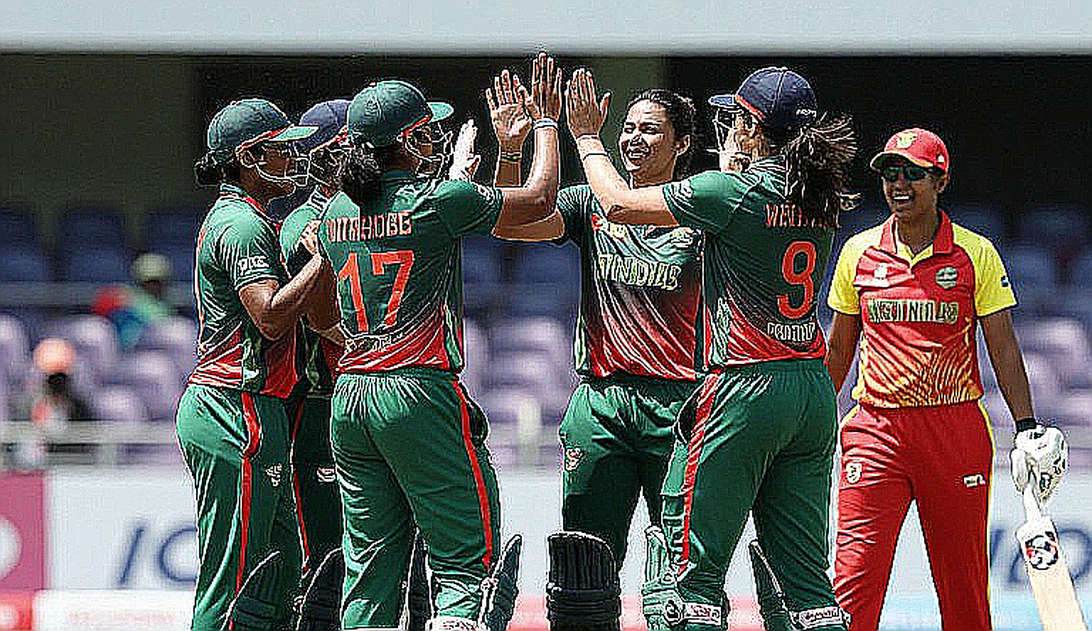
Pant’s side strain is the first innings outside the scorecard. A side strain involves the abdominal-oblique area, a high-recurrence zone for wicketkeeper-batters because rotation, diving and long squatting load the same tissue. Missing two games and returning for the third is a staged return, not a clean bill of health. India’s medical staff are protecting a high-value asset before the five-day Tests. Jurel’s captaincy is the other side of that risk: if Pant cannot take a full keeping load, India need a keeper-leader contingency. Kushagra’s call-up is a low-cost trial for the third gloveman. The real question is whether Pant can absorb five days of diving, turning and standing behind the stumps.
Six Test regulars make the A-side a Test XI cross-section. Jaiswal, Rahul, Padikkal, Sudharsan, Washington and Akash Deep cover opening, middle order, spin all-round cover and the new ball. The pace group includes Akash Deep, Mukesh Kumar, left-armer Mukesh Choudhary, Anshul Kamboj and Auqib Nabi; Manav Suthar offers left-arm spin. New Zealand in October is southern-hemisphere spring, historically seam-friendly. The quiet tactical headline is new-ball adaptation, not spin. “Speed is easy to measure; the moment it changes a sport is not.” Cricket can measure pace; it cannot measure how quickly a batter’s feet adjust on a green top.
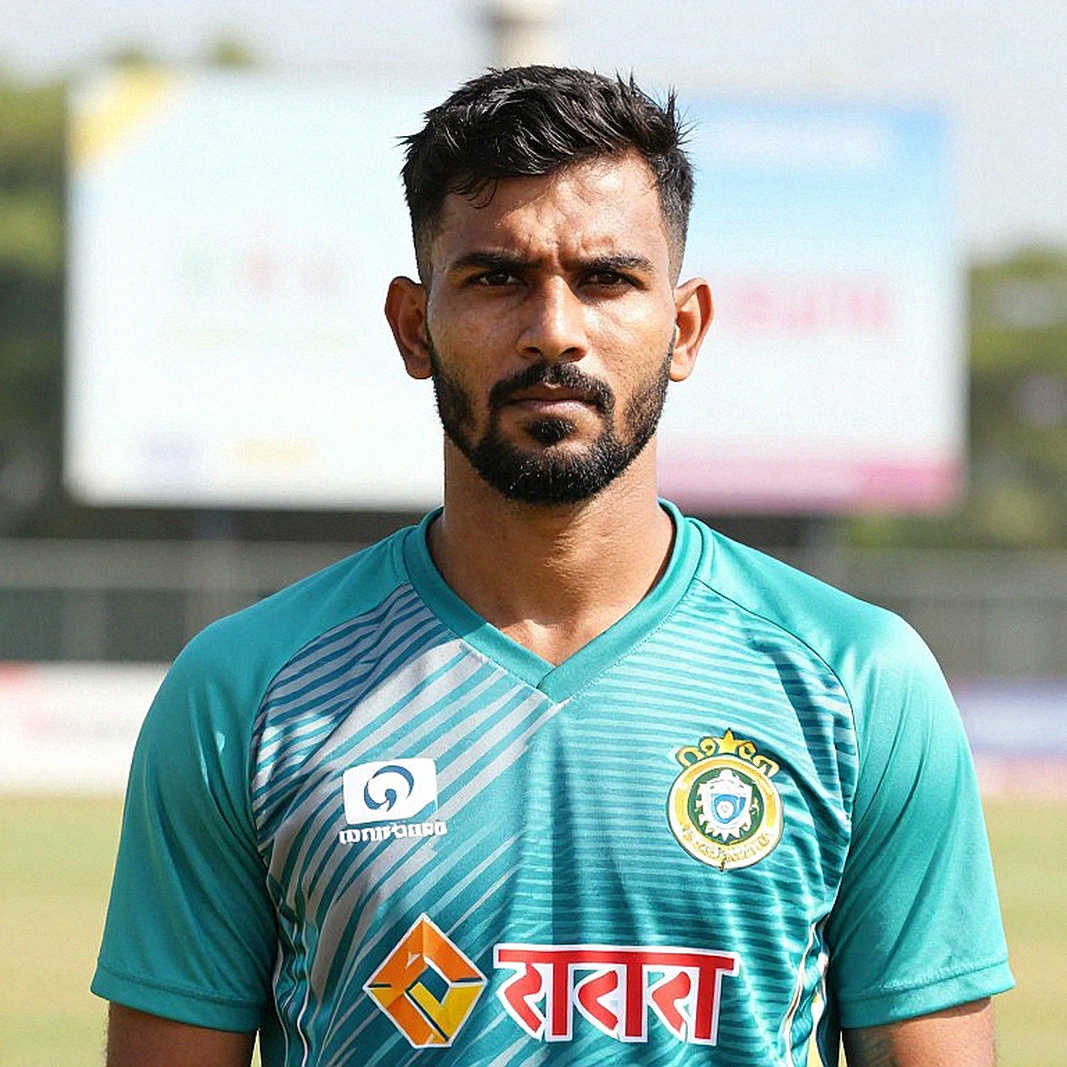
The four-day format changes the calculus. A four-day match compresses declaration, follow-on and first-innings lead decisions. A captain may declare earlier and chase a result more aggressively, while marathon endurance matters less. The scores are indicative, not conclusive. India’s Test regulars will gain useful condition exposure, but the full five-day mental and physical load will not be replicated.
Jurel’s captaincy is a succession signal. Elevating the first-choice backup keeper to captain in a shadow tour is deliberate. He is being tested as a gloveman and as a leader. With Pant’s injury history, India need a contingency that can keep and lead. Kushagra’s presence is the next step: a third-choice keeper trial.
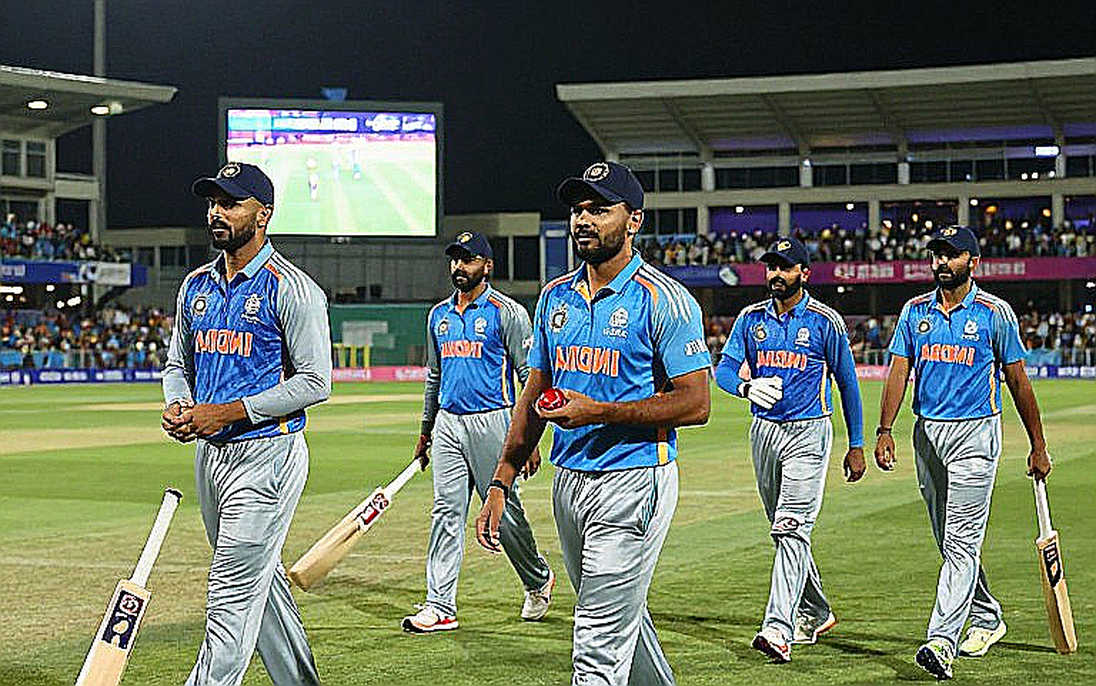
The asymmetry is the story. India use the series as senior Test calibration; New Zealand use it as a pipeline audition. Henry Nicholls is the only Test regular in a 19-man NZ A squad, which also carries three keepers. That is not weakness; it is a keeper competition. Home conditions give NZ A a bowling edge, so India A’s preparation value does not guarantee results.
Broadcast economics are thin. “An empty stadium still breathes.” The A-tour breathes through live-score refreshes, stats feeds and a small rights market. The 3am IST start caps India’s live audience; 10:30pm UK is not a major window. Wisden’s live-score and odds links are market-expectation signals, not betting advice. The real return is medical monitoring and pipeline information.
Governance risk is low; injury-transfer risk is medium. An unofficial Test has no Championship points and no WTC calculation; the four-day format runs by mutual board agreement. Kushagra’s replacement is clean administration. The composite risk comes from Pant’s side strain, parallel A and senior schedules, and spring weather. The most important scorecard is the medical sheet.
The series is an insurance policy more than a mirror. A four-day match on a spring seam deck will not answer every five-day Test question. Big scores by India’s regulars will not guarantee senior success; low scores will not create a selection crisis. Pant’s third-match return is not proof of full fitness, because side strains recur. “The clock said 36 km/h, but the story was still catching up.” The number moves ahead; the story lags. In cricket the scorecard moves first, the injury story moves slower. New Zealand’s three-keeper race may carry more future signal than India’s six regulars.
Watch Pant’s keeping load in the third match, Jurel’s captaincy and gloves, the Jaiswal-Rahul adaptation, New Zealand’s first-choice keeper, and the 2026 versus October 24 date discrepancy. If the series’ real result sits outside the scorecard, do we read the medical bulletin before Pant’s third match, or wait for the first session of the five-day Test?